
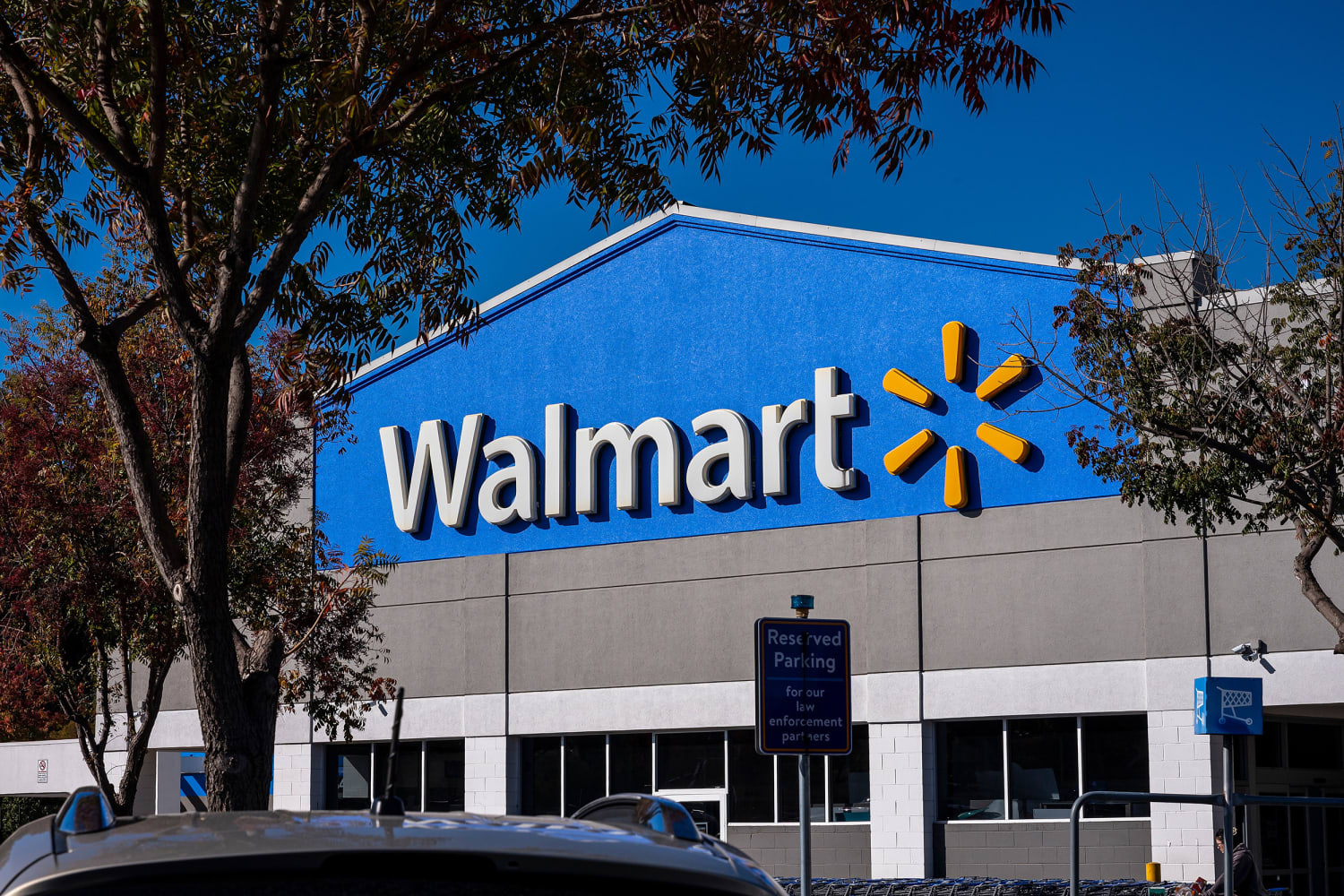

Walmart, one of the most significant retail networks globally, is dealing with a complicated economic environment due to tariffs inflating costs throughout its supply chain. Even with the difficulties arising from these heightened expenses, the store is still witnessing strong shopper visits, showcasing its strength in a competitive marketplace and its capacity to adjust to international trade shifts.
The implementation of tariffs on imported goods has been an ongoing concern for many U.S. retailers, particularly those with a wide array of international suppliers. For Walmart, which sources a significant percentage of its products from overseas markets, these additional costs have created the need for strategic adjustments in pricing. While price increases are generally a sensitive subject for any retailer, Walmart has found itself in a position where incremental adjustments have become unavoidable.
Tariffs are fundamentally taxes on imports that are imposed on products coming into a nation. When these measures are implemented or increased, they lead to an immediate rise in expenses for companies dependent on global suppliers. Stores like Walmart frequently confront a crucial choice: either absorb these expenses, which could reduce profit margins, or transfer part of the burden to consumers by increasing prices.
In Walmart’s case, the decision has involved a careful balance. The company has worked to mitigate the impact by leveraging its vast scale, optimizing procurement strategies, and negotiating more favorable terms with suppliers. However, in categories where tariff costs are significant, adjustments to shelf prices have become necessary to maintain operational stability.
Despite this, Walmart’s value proposition remains strong. The retailer has built its reputation on offering competitive prices, and while certain items have experienced price increases, the overall shopping experience continues to be anchored in affordability. This approach has helped the company maintain customer loyalty even in the face of economic headwinds.
The reality that customers continue to visit Walmart’s physical and online locations highlights the brand’s resilience. Various elements play a role in maintaining this ongoing interest, despite tariffs increasing costs.
First, Walmart is widely recognized for offering products at lower prices than numerous other stores. Despite occasional increases, it frequently remains the most economical choice for customers watching their budgets. In times when inflation and economic unpredictability affect how people shop, this comparative cost-effectiveness stands out as a major distinguishing factor.
Firstly, Walmart’s extensive selection of items and dominant position in vital sectors—like food, domestic products, and wellness items—establishes it as a popular spot for daily essentials. When consumers focus on ease and affordability, Walmart frequently stands as a favored option.
Third, the company’s investment in e-commerce and digital infrastructure has strengthened its appeal among consumers seeking flexible shopping options. The integration of online ordering, curbside pickup, and home delivery services has enhanced accessibility and convenience, which matters greatly to time-pressed households.
To minimize the impact of tariffs, Walmart has implemented several strategies beyond adjusting prices. The company has intensified its focus on supply chain efficiency, seeking opportunities to reduce operational costs and maintain profitability. This includes diversifying supplier networks, negotiating better terms, and in some cases, shifting sourcing to regions less affected by tariffs.
Additionally, Walmart continues to leverage its scale to secure favorable deals that smaller competitors cannot easily match. Its ability to buy in bulk and streamline logistics remains a powerful tool in keeping costs as low as possible under challenging circumstances.
La empresa ha implementado asimismo estrategias de precios específicas para salvaguardar la percepción del consumidor. En lugar de aplicar incrementos uniformes en todas las categorías, Walmart ha puesto énfasis en mantener la asequibilidad en productos esenciales mientras permite ajustes moderados en categorías no esenciales. Esta táctica contribuye a preservar la imagen del minorista como un líder en valor, incluso cuando las fuerzas económicas más amplias impulsan el aumento de costos.
An interesting dynamic has emerged in response to Walmart’s pricing adjustments: shoppers appear to be absorbing the changes without significantly altering their buying habits. Analysts attribute this to several factors, including the perception that Walmart’s prices remain competitive and the growing recognition that tariffs and inflation are industry-wide issues rather than isolated to one retailer.
Many households view Walmart as a dependable source for cost-effective essentials, making it a default option even when prices rise slightly. Loyalty programs, promotional discounts, and private-label alternatives further reinforce the perception of value, reducing the risk of customers migrating to competitors.
Walmart’s experience underscores the ripple effects of trade policy decisions on consumer markets. Tariffs, while designed to protect domestic industries, often lead to cost increases that flow through the supply chain to the end consumer. Retail giants like Walmart are better positioned than smaller retailers to absorb or offset these costs, but even they cannot remain completely insulated from the financial pressures tariffs create.
This scenario also underscores the intricacies of current-day retail ventures, where worldwide procurement is crucial for upholding diversity and cost-effectiveness. When duties upset this balance, businesses need to swiftly devise new strategies to maintain profit margins and consumer confidence.
Even though the obstacles linked to tariffs are challenging, Walmart seems prepared to manage the upcoming difficulties effectively. Its robust operational strengths, wide-reaching distribution network, and dedication to keeping prices low lay out a reliable framework for continued growth. The company’s capacity to adjust—be it through enhancing the supply chain, expanding online, or implementing pricing tactics—remains a central advantage.
Moreover, consumer behavior suggests that the loyalty Walmart has cultivated over decades continues to hold firm. Even as prices rise modestly, shoppers view the retailer as a trusted source for everyday value, reinforcing its dominant position in the marketplace.
In a landscape defined by economic unpredictability and shifting trade factors, Walmart’s journey provides important lessons about the relationship between rules, costs, and consumer strength. The company’s strategy shows that being open, flexible, and committed to key brand commitments can allow retailers to stay stable even as outside challenges increase.
While tariffs are likely to remain a feature of global trade for the foreseeable future, Walmart’s proactive stance indicates that the company is not merely reacting to challenges but actively shaping strategies to turn adversity into opportunity. As the retail landscape continues to evolve, Walmart’s ability to balance cost management with customer satisfaction will be a defining factor in its long-term success.


