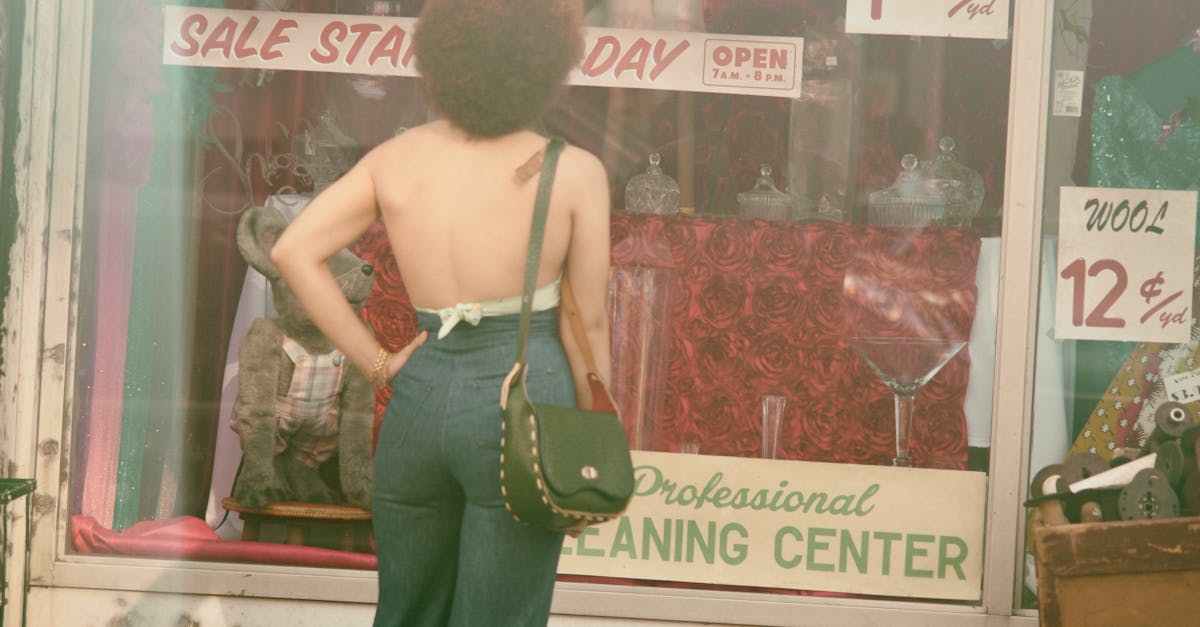

Understanding vintage style requires more than a superficial glance at fashion trends. It is an appreciation of history, a nod to past aesthetics, and a commitment to fabrics, patterns, and pieces that offer a sense of nostalgia and timelessness. The vintage style encompasses clothing, accessories, furniture, and even art, all originating from or inspired by past decades. Let’s delve into what makes vintage style distinct, exploring its origins, evolution, and modern-day appeal.
The Origins of Vintage Style
The word “vintage” originated in winemaking, where it described a high‑quality wine crafted in a particular year, and in a similar way, fashion and design use the term for pieces at least two decades old that reflect the signature aesthetics of their time; this makes the distinction between vintage and retro essential, since genuine vintage items come from a defined era, while retro creations merely echo that period’s style without belonging to it.
A classic 1920s flapper dress, for example, qualifies as a vintage piece, often noted for its drop waist, beaded details, and fringe that captured the bold glamour of the Roaring Twenties, while the 1970s brought back 1940s-inspired looks as “retro,” celebrating earlier stylistic influences.
Evolution of Vintage Style Through the Decades
Vintage style has continually transformed over time, as every decade introduced fresh aesthetics, varied materials, and distinct cultural influences; during the 1920s, fashion challenged social conventions through relaxed silhouettes that offered women a sense of freedom, while the 1950s embraced highly feminine shapes defined by nipped-in waists and voluminous skirts that echoed post-war optimism.
Throughout the lively 1960s, striking patterns and mod-inspired attire came to the forefront, reflecting youthful energy and major cultural changes. By the 1980s, power suits, pronounced shoulder pads, and vivid hues embodied corporate assertiveness and an expanding consumer mindset. Every decade added distinctive features that now shape what is widely regarded as vintage style.
Modern-Day Appeal of Vintage Style
In today’s quick-moving realm of disposable fashion and short-lived trends, vintage style maintains a timeless appeal, increasingly shaped by the sustainability movement as consumers turn to thrift shops, vintage boutiques, and online platforms such as Etsy and Depop, where choosing vintage clothing serves both as a mindful ethical choice and a distinctive personal style statement.
Moreover, the digital age has given rise to vintage influencers, curators, and enthusiasts who share their finds and styles online, inspiring a new generation. Their appreciation for the craftsmanship, quality, and personal narrative behind each piece has rejuvenated interest in vintage style.
Case Studies: Icons and Inspirations
Several icons reflect a vintage aesthetic, enriching this journey with added nuance and appeal. The actress Dita Von Teese, celebrated for her refined retro inspired style, frequently appears in silhouettes reminiscent of the 1950s. Musicians like Harry Styles draw inspiration from a range of eras, weaving classic motifs into contemporary performances and shaping a uniquely recognizable public image.
Another fascinating study is how renowned designers like Vivienne Westwood and Prada have incorporated vintage influences into their collections, proving that past aesthetics continue to be significant players in contemporary fashion.
The Timelessness of Vintage Style
Vintage style resonates because it delivers a sense of authenticity and individuality in a time when sameness is widely promoted, rising beyond mere nostalgia as it enables wearers to convey who they are while honoring the narratives that came before. Its enduring charm stems from how effortlessly it aligns with evolving cultural values, with every item serving as a space for personal meaning and creative expression.
By embracing vintage style, we forge links to history, support sustainability, highlight individuality, and spark creative expression. For this reason, vintage style endures as more than a trend; it represents a guiding outlook that encourages respect for the past while inspiring us to move ahead with intention and distinctive flair.