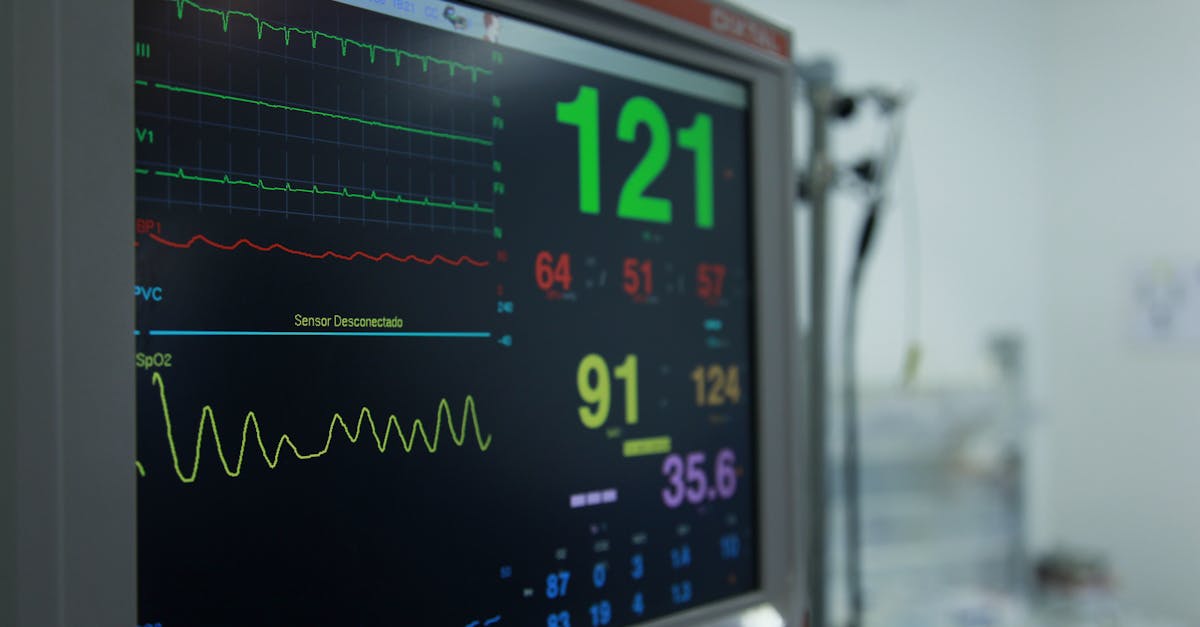

Wearable technology emerged as a popular fitness accessory aimed at logging steps, monitoring calories, and promoting healthier routines. Early devices prioritized straightforward features and broad accessibility, supplying simple data that nudged users toward regular activity. Over the last ten years, however, wearables have evolved considerably. They are now crafted to provide medical-grade insights that aid in preventing illnesses, supporting diagnoses, and managing long-term health conditions.
This transition mirrors wider transformations across healthcare, technology, and evolving consumer expectations, and as sensors gain precision and data analytics grow increasingly advanced, wearables are steadily progressing past simple lifestyle support to enter the sphere of clinical relevance.
Advances in Sensor Technology and Data Accuracy
A primary driver of this shift is the rapid improvement in sensor technology. Modern wearables now integrate advanced components such as optical heart rate sensors, electrocardiogram electrodes, skin temperature sensors, blood oxygen monitors, and motion sensors with clinical-level precision.
The main enhancements encompass:
- Higher sampling rates that capture subtle physiological changes
- Multi-sensor fusion that cross-validates data for accuracy
- Improved algorithms that reduce noise from movement or environmental factors
These innovations enable wearables to identify issues like atrial fibrillation, signs of sleep apnea, and irregular breathing patterns with accuracy that nearly matches conventional medical equipment, while regulatory clearance for tools such as ECG monitoring has reinforced their value in clinical settings.
The Emergence of Personalized and Preventive Health Care
Healthcare systems around the globe are moving away from reactive approaches toward preventive and personalized care. Wearable devices align seamlessly with this shift by providing continuous monitoring rather than occasional checkups.
Rather than depending solely on sporadic clinic appointments, individuals can monitor long‑term health patterns spanning weeks or even months. For instance, subtle rises in resting heart rate or shifts in sleep quality might indicate stress, infection, or potential cardiovascular issues well before symptoms intensify. This steady flow of data enables patients and clinicians alike to act sooner and customize care strategies to each person’s needs.
Interfacing with Healthcare and Digital Wellness Networks
Wearables are no longer standalone gadgets. They increasingly integrate with electronic health records, telemedicine platforms, and remote patient monitoring systems. This connectivity transforms raw data into actionable insights within clinical workflows.
Examples of integration include:
- Remote supervision of heart patients following their discharge from the hospital
- Long-term care initiatives designed for individuals managing diabetes or high blood pressure
- Monitoring of post-operative recovery to identify potential issues at an early stage
Healthcare providers value wearables that deliver reliable, standardized data compatible with medical systems. This demand accelerates the move toward medical-grade design and validation.
AI and Next-Generation Analytics
The transition from fitness to medical insights is also driven by artificial intelligence. AI models analyze large volumes of biometric data to identify patterns that are invisible to the human eye.
Instead of showing people mere numerical values, contemporary wearables deliver more meaningful context, including insights like:
- Risk scores for cardiovascular events
- Early warnings of irregular heart rhythms
- Personalized recovery and readiness assessments
As these models draw on extensive, clinically annotated datasets, their forecasts grow more precise, turning wearables from simple monitoring tools into intelligent, proactive partners in personal health.
Consumer Trust and Demand for Meaningful Health Value
As the wearable industry continues to evolve, consumers look beyond simple fitness numbers. Many users are already familiar with step totals and calorie approximations; now they are searching for meaningful health guidance capable of shaping genuine medical outcomes.
Key factors influencing consumer demand include:
- Aging populations managing chronic conditions
- Increased awareness of heart health and sleep disorders
- Desire for data-backed insights rather than generic advice
When users see that wearable data can prompt a doctor visit, adjust medication, or prevent hospitalization, the perceived value of medical-grade insights rises significantly.
Oversight Demands and Evidence‑Based Clinical Approval
As wearables assert a more significant role in health, they face heightened regulatory oversight, a challenge that has nonetheless driven advances in data accuracy, verification, and overall transparency.
Devices offering medical insights must demonstrate:
- Accuracy comparable to clinical reference standards
- Consistent performance across populations
- Clear communication of limitations and intended use
Regulatory pathways have encouraged companies to invest in clinical trials and partnerships with healthcare institutions. The result is a new category of wearables that blur the line between consumer electronics and medical devices.
Financial Motivations Within Modern Healthcare Systems
Escalating healthcare expenses have intensified the demand for approaches that lower hospital visits and produce better patient results, and medical‑grade wearables contribute by enabling remote tracking and prompt clinical action in a cost‑efficient way.
Health insurers and employers have shown rising backing for wearable-focused initiatives that:
- Decreases urgent care trips by enabling earlier identification
- Enhances compliance with prescribed care plans
- Strengthens overall population health oversight
These economic benefits reinforce the shift toward devices that deliver clinically useful insights rather than simple activity tracking.
Real-World Examples of the Shift
Several widely adopted wearables now illustrate this transition. Devices capable of detecting irregular heart rhythms have led users to seek medical evaluation, resulting in early diagnosis of cardiovascular conditions. Sleep tracking features increasingly identify patterns consistent with sleep-disordered breathing, prompting further clinical testing. In chronic care, continuous glucose monitoring wearables provide real-time feedback that directly informs treatment decisions.
These cases demonstrate how wearables can act as an extension of the healthcare system rather than a separate consumer accessory.
An Expanded Reimagining of Wearable Technology
The transition from fitness-focused tracking to medical-level insights signals a wider reimagining of what wearables represent, evolving into long-term health companions that support individuals through various stages of life and changing wellness needs.
As technology continues to advance, the distinction between wellness and medicine grows less rigid. Wearables now occupy the space where daily habits meet clinical science, translating continuous data into understanding, foresight, and informed action. This evolution suggests a future in which personal health monitoring is not occasional or reactive, but seamlessly woven into everyday life with measurable impact on well-being and care outcomes.