
The term haute couture conjures visions of luxury, craftsmanship, and the height of fashion design. Stemming from the French language, haute couture denotes high sewing or high dressmaking. This elite sphere of fashion operates under rigorous standards and traditions established by the Chambre Syndicale de la Haute Couture, an authority within the French Ministry of Industry. A haute couture show stands as the result of painstakingly created garments designed for the most selective clientele, serving as an occasion that highlights not only fashion but the artistry behind wearable creations.
The Distinctive Essence Found in Haute Couture
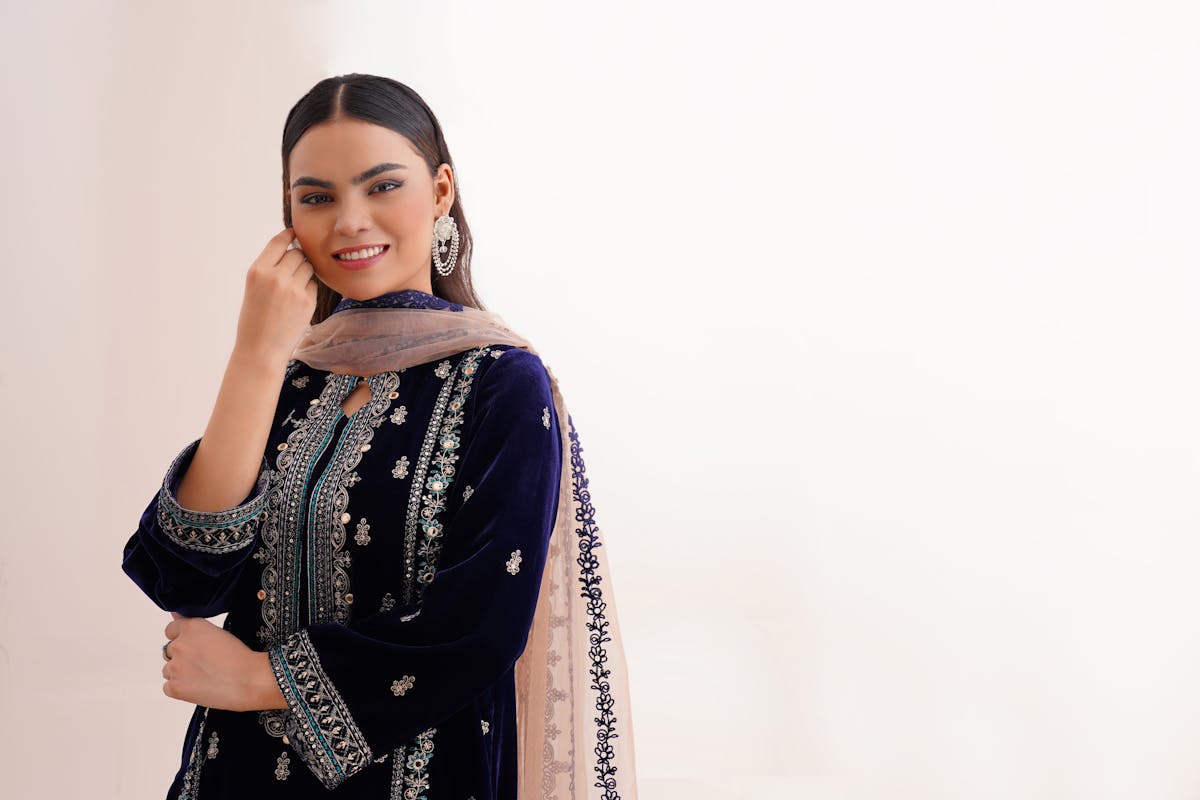
Haute couture differs significantly from ready-to-wear (prêt-à-porter), as it involves pieces that are custom-fitted for a specific client. Garments are handmade from start to finish, often requiring hundreds if not thousands of hours of labor by skilled artisans. This form of fashion is not just about the aesthetics of clothing, but about preserving traditional skills, such as embroidery, pleating, and sewing—all executed to the highest standards.
Each item generally incorporates rare and delicate fabrics such as silk, satin, and lace, frequently enhanced with detailed beading and refined embroidery, while the creation process remains exceptionally labor-intensive and draws on specialized skills spanning several areas of the fashion industry.
Presenting a Haute Couture Runway Event
A haute couture show is customarily staged in remarkable locations that underscore the uniqueness of the garments on display, and Paris continues to stand as the undisputed heart of haute couture presentations, long honored for its influential role in global fashion. These events generally occur twice a year, scheduled in January and July to align with the haute couture fashion weeks hosted in the leading fashion capitals.
The gathering remains restricted to a privileged group composed of media representatives, fashion commentators, and high‑end patrons, ensuring the occasion is intensely private and highly sought after. Passes are never released for general purchase, preserving the rarefied character of these couture showcases. Every presentation unfolds as a crafted visual tale, carefully devised and carried out to highlight the designer’s creative intent, frequently drawing on motifs of opulence, heritage, and narrative expression.
Economic and Cultural Influence
Though the audience for haute couture may be small, its impact on the larger fashion world is profound. Influencing trends, haute couture collections often inspire mainstream fashion, trickling down into ready-to-wear lines and mass-market fashion. Economically, while direct sales from haute couture are limited, the prestige associated with such collections elevates a designer’s brand, often leading to increased revenue streams from other ventures, such as fragrances, accessories, and licensing deals.
In cultural terms, haute couture has helped preserve precious artisanal skills, handing down knowledge from generation to generation. These shows honor not only the designers but also the craftspeople—pattern cutters, seamstresses, and embroiderers—who bring the designers’ visions to life.
Viewing a haute couture show is akin to stepping into a realm where art and fashion merge to create something extraordinary. This unique domain of fashion celebrates craftsmanship, imagination, and luxury, acting as both a historical repository of high-fashion traditions and as a beacon of innovation. Haute couture remains not just an industry, but a reflection of cultural heritage, artistic expression, and the enduring human spirit in its pursuit of beauty.