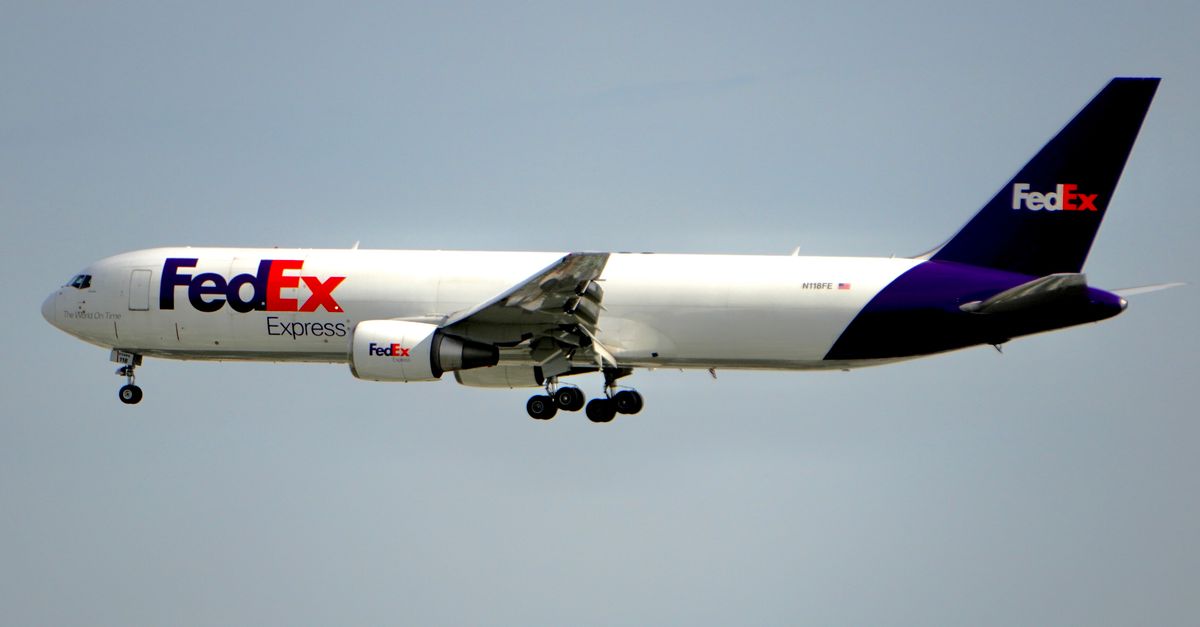

FedEx has intensified its push into automation to reinforce regional and global supply chains as e-commerce surges, geopolitical tensions disrupt trade, and customers increasingly expect rapid, transparent service; by deploying robotics, artificial intelligence, advanced data analytics, and autonomous technologies, the company is transforming its logistics network to boost reliability, streamline expenses, and expand operational capacity.
Key Forces Propelling Automation
The global logistics landscape has become more complex due to supply chain volatility, labor shortages, and fluctuating transportation costs. For FedEx, automation is not merely a technological upgrade but a strategic imperative aimed at achieving several key objectives:
- Operational resilience: Limiting reliance on manual tasks to lessen workforce pressures and cushion the impact of regional interruptions.
- Speed and throughput: Boosting the pace of sorting, routing, and final‑mile fulfillment.
- Cost efficiency: Cutting operating costs by refining process flows and applying predictive upkeep.
- Customer visibility: Improving live tracking capabilities and forward‑looking delivery forecasts.
By aligning automation initiatives with these strategic goals, FedEx is reinforcing its competitive advantage across domestic and international markets.
Robotics and Smart Hubs
One of the most visible aspects of FedEx’s automation strategy is the deployment of robotics within its sorting facilities. Automated guided vehicles and robotic arms now handle parcel sorting and movement within major hubs, significantly increasing processing speed and reducing error rates.
For example, in several high-volume distribution centers across North America and Europe, robotic systems can process thousands of packages per hour with minimal human intervention. These systems use advanced vision technology to identify package dimensions, labels, and optimal routing paths. The result is improved sorting accuracy and a measurable reduction in package handling time.
In Asia-Pacific regional hubs, automated cross-belt sorters and conveyor systems enable dynamic routing based on real-time shipment data. This flexibility supports international freight operations where shipment profiles and destination requirements vary widely.
Artificial Intelligence and Predictive Analytics
Artificial intelligence plays a central role in optimizing supply chain flows. FedEx leverages machine learning algorithms to forecast shipment volumes, anticipate bottlenecks, and dynamically allocate resources.
Some examples of applications powered by AI are:
- Demand forecasting: Anticipating high-volume shipping windows so staffing levels and equipment can be adjusted accordingly.
- Route optimization: Determining the most efficient paths for deliveries by evaluating traffic conditions, weather patterns, and shipment density.
- Predictive maintenance: Tracking performance data from aircraft and vehicles to avert potential failures.
During high-demand seasons such as global holiday periods, predictive analytics enable FedEx to pre-position inventory and transportation assets in key regional markets. This proactive approach reduces transit times and improves on-time delivery performance across international corridors.
Autonomous and Last-Mile Innovations
The last mile continues to be among the supply chain’s most challenging and costly stages. To tackle this issue, FedEx has conducted trials of autonomous delivery robots and advanced driver-assistance technologies in select markets.
Autonomous ground vehicles engineered for short-haul deliveries can move through city settings with ease, efficiently transporting small packages while lowering fuel use and minimizing labor demands, while telematics systems fitted across delivery fleets supply live updates on vehicle positions, fuel performance, and driving patterns, strengthening safety measures and improving route accuracy.
Across regional markets, these advances help accelerate deliveries within cities, while on a global scale they reinforce both air and ground transport networks by enabling smooth transitions from customs processing to the final handover.
Digital Connectivity Throughout Worldwide Networks
Automation extends beyond physical assets to digital infrastructure. FedEx has invested heavily in integrated platforms that connect shippers, customs authorities, and internal logistics teams.
Through centralized control towers, the company monitors shipments across continents in real time. These platforms aggregate data from aircraft sensors, ground vehicles, warehouses, and customer interfaces to provide a unified operational view.
Automated customs documentation and compliance reviews help shorten clearance times for international shipments, while digital trade documentation platforms verify shipping details in advance against regulatory standards to cut mistakes and speed up cross‑border movement.
This digital integration boosts clarity for international clients who need accurate delivery timelines and full end-to-end tracking visibility.
Tailoring Automation Approaches to Regional Needs
While automation initiatives follow a global framework, FedEx tailors implementation to regional conditions.
In North America, emphasis is placed on large-scale hub automation to handle substantial e-commerce volumes. In Europe, cross-border integration and regulatory compliance tools are prioritized due to complex trade regulations. In emerging markets across Asia and Latin America, modular automation solutions allow scalable deployment aligned with infrastructure development.
This regional adaptability ensures that automation investments deliver measurable returns while accommodating diverse market dynamics.
Environmental and Sustainability Impact
Automation contributes to FedEx’s sustainability goals by improving fuel efficiency and reducing waste. Optimized routing reduces unnecessary mileage, while predictive maintenance enhances fleet longevity.
Automated sorting systems further cut the energy required for each handled package, and by reducing manual corrections and routing errors, the company limits unnecessary transport and the emissions that come with it.
These initiatives support wider corporate goals to reach carbon‑neutral operations, showing that automation can enhance efficiency while also promoting responsible environmental management.
Measurable Outcomes and Competitive Positioning
The impact of automation is evident in improved performance metrics. Facilities equipped with advanced robotics report higher throughput rates and reduced processing errors. Enhanced route optimization has contributed to improved on-time delivery percentages in key markets.
Moreover, automation strengthens FedEx’s ability to scale operations during demand surges without proportional increases in labor costs. This scalability enhances profitability and reinforces its position against global competitors investing in similar technologies.
Customers enjoy quicker shipping, enhanced tracking precision, and steadier transit schedules, which strengthens confidence and fosters lasting business relationships.
The Evolving Logistics Ecosystem
Automation at FedEx reflects a sweeping shift across global logistics, as data-informed strategies and intelligent technologies increasingly take the place of conventional hands-on processes. With supply chains growing more interconnected and expectations for near-instant fulfillment rising, weaving robotics, AI, and digital ecosystems into operations becomes indispensable rather than merely advantageous.
FedEx’s strategy illustrates how automation can simultaneously strengthen regional responsiveness and international coordination. By harmonizing physical infrastructure with digital intelligence, the company is shaping a supply chain ecosystem defined by speed, adaptability, and resilience. The ongoing evolution of these technologies suggests that logistics networks will continue to shift toward increasingly autonomous, predictive, and interconnected models, redefining efficiency standards across global trade.