
10 Technological Inventions That Failed Despite Being Ahead of Their Time
Being first is not the same as being ready for widespread use. An invention can anticipate a lasting need yet fail because it is too expensive, lacks supporting infrastructure, or asks people to change their habits before a clear benefit exists. These ten examples show the difference between a promising idea and a viable product. Some never reached full production; others reached customers but could not sustain a market.
1. Charles Babbage’s Analytical Engine
Conceived in the early 1830s, the Analytical Engine featured capabilities reminiscent of a modern general-purpose computer, incorporating a processing unit, data storage, and instructions fed via punched cards. This design marked a radical departure from contemporary devices engineered for a single, dedicated function.
The complete engine was never built in Babbage’s lifetime. Its scale demanded extraordinary precision manufacturing, sustained funding, and effective project management. It therefore failed as a working invention, not as a commercial product. Its architecture nevertheless anticipated principles that became central to computing more than a century later.
2. AT&T’s Picturephone
AT&T demonstrated video calling in the 1960s and introduced a commercial Picturephone service in 1970. It offered a capability familiar today: seeing the person at the other end of a call.
The service struggled because equipment and connections were costly, availability was limited, and a useful video call required the other person to have compatible equipment. For many conversations, ordinary voice calls were cheaper and sufficient. Video calling became practical only when cameras, broadband connections, and widely used communication software removed much of that friction.
3. Xerox Star
Launched in 1981, the Xerox Star brought together a graphical desktop, mouse, windows, icons, and networked office functions. These ideas helped define how people would eventually interact with personal computers.
The Star failed to achieve widespread commercial success. Primarily targeted at corporate settings and carrying a hefty price tag, it debuted during an era when the general public still viewed computers as niche devices. Subsequent graphical systems captured larger audiences through alternative pricing strategies and distribution networks. Although the hardware ultimately fell short, the interface concepts pioneered by the Star left a lasting legacy.
4. IBM Simon
Sold in 1994, IBM Simon combined a mobile phone with a touchscreen, calendar, address book, notes, and messaging functions. It anticipated the smartphone as an everyday communications and organizing device.
Simon was bulky and costly, with limited battery life and a small selection of services. Mobile data networks and compact components had not yet caught up with its ambitions. By the time smartphones became mainstream, better batteries, faster networks, smaller electronics, and downloadable applications had made the same basic idea far more useful.
5. General Magic’s Magic Link
Launched in 1994, the Magic Link was a portable communicator centered on digital messages, personal data, and web services. Its developers imagined mobile, network-linked computing long before permanent connectivity became commonplace.
Its utility relied on an expensive gadget, compatible services, and communication networks that remained underdeveloped. That initial experience failed to deliver the seamless access envisioned by its creators. Contemporary smartphones fulfill a significant portion of that promise, yet they depend upon a vast network of wireless connectivity, software applications, and cloud platforms that the Magic Link lacked back then.
6. The Rocket eBook
Released in 1998, the Rocket eBook let readers carry multiple books on one handheld screen and obtain digital titles. It anticipated a major shift in publishing and reading habits.
The device was expensive, its screen and battery technology were limited by later standards, and the selection and purchase process offered less convenience than a physical bookstore for many readers. Electronic reading gained broader appeal when lighter devices, improved displays, wireless delivery, and larger digital catalogs came together.
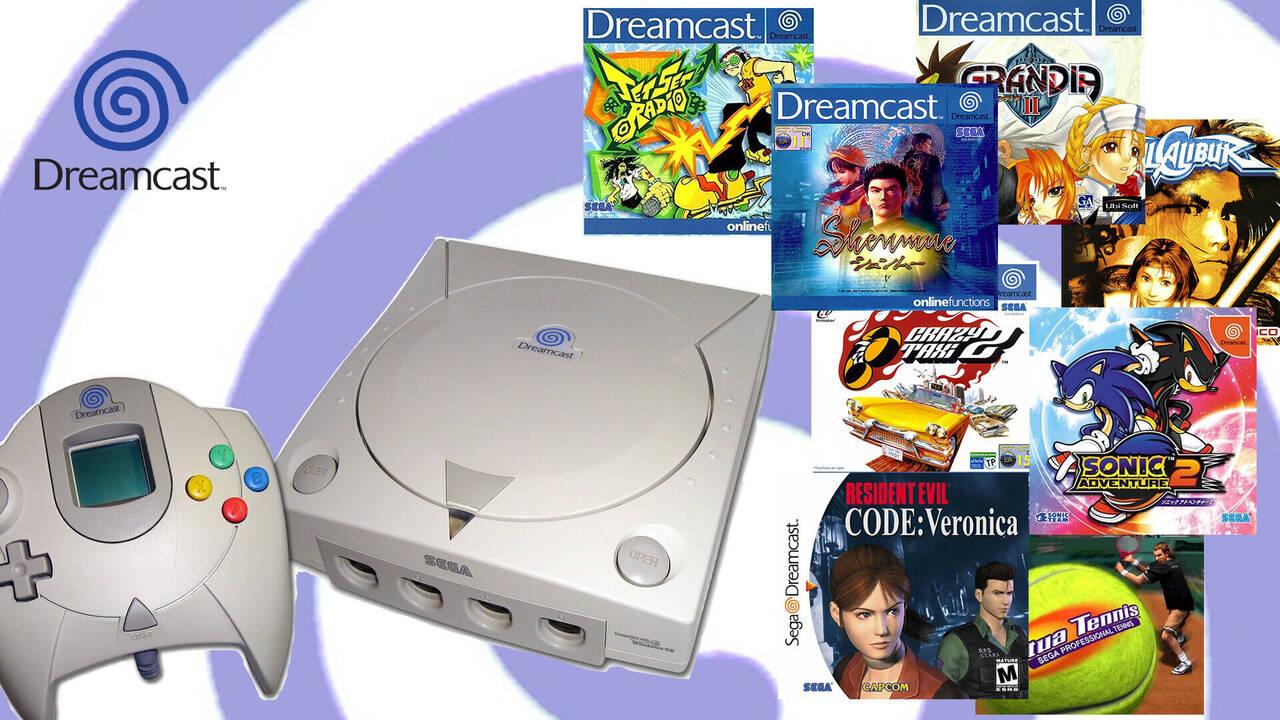
7. Sega Dreamcast
Equipped with an integrated modem, the Dreamcast made its debut in Japan back in 1998 and arrived in North America the following year. Years before networked gaming became an everyday standard, it already treated online multiplayer as a core element of the home console experience.
Despite acclaimed games and technical strengths, Sega discontinued the console in 2001. Its online ambitions could not overcome Sega’s financial difficulties, intense competition, and the limits of the era’s internet connections. The Dreamcast shows that a forward-looking feature cannot, by itself, sustain a hardware business.
8. Microsoft SPOT Watches
Microsoft’s SPOT watches, introduced in 2004, displayed information such as weather, news, and messages using data sent over FM radio signals. They were an early attempt to make a wristwatch a connected information device.
Their connection was largely one-way, coverage and functionality were limited, and the service required ongoing support. Microsoft’s MSN Direct service ended in 2012. Later smartwatches became more capable when they could pair with smartphones, run applications, use richer sensors, and offer more interactive connections.
9. Better Place Battery Swapping
Better Place created stations capable of swapping out an exhausted electric-vehicle battery for a fully charged one within minutes. During the early 2010s, its network started providing service to motorists across Israel and Denmark, tackling an issue that remains relevant today: ensuring that driving an electric vehicle is convenient.
The company filed for bankruptcy in 2013. Battery swapping required expensive stations, standardized vehicle designs, substantial battery inventory, and enough participating cars to justify the network. Better Place could not build that ecosystem quickly enough. The concept did not disappear, but its early commercial model proved difficult to scale.
10. Google Glass
Google introduced Glass to selected users in 2013. The wearable display could present information, capture images, and respond to voice commands without requiring users to pull out a phone.
Its consumer rollout ran into high cost, limited everyday uses, short battery life, and privacy concerns about a face-mounted camera. Google ended the original consumer-focused program in 2015; later enterprise versions also ended. Glass anticipated interest in hands-free computing, but it did not establish a compelling reason for most people to wear it.
What Their Failures Reveal
These inventions did not all fail in the exact same manner. Babbage was unable to finish his device; both Picturephone and Better Place relied on ecosystems of compatible hardware and users; multiple portable gadgets depended on services and parts that lacked sufficient maturity. Additional innovations encountered a more straightforward obstacle: the advantages simply did not justify the cost or the hassle.
Their enduring impact serves as a reminder that innovations seldom triumph in isolation. Market readiness, cost-efficiency, supporting systems, and daily practicality need to evolve hand in hand with the technology itself. Arriving too early may ensure a concept remains unforgettable, yet it frequently turns that initial iteration into a formidable challenge to commercialize.