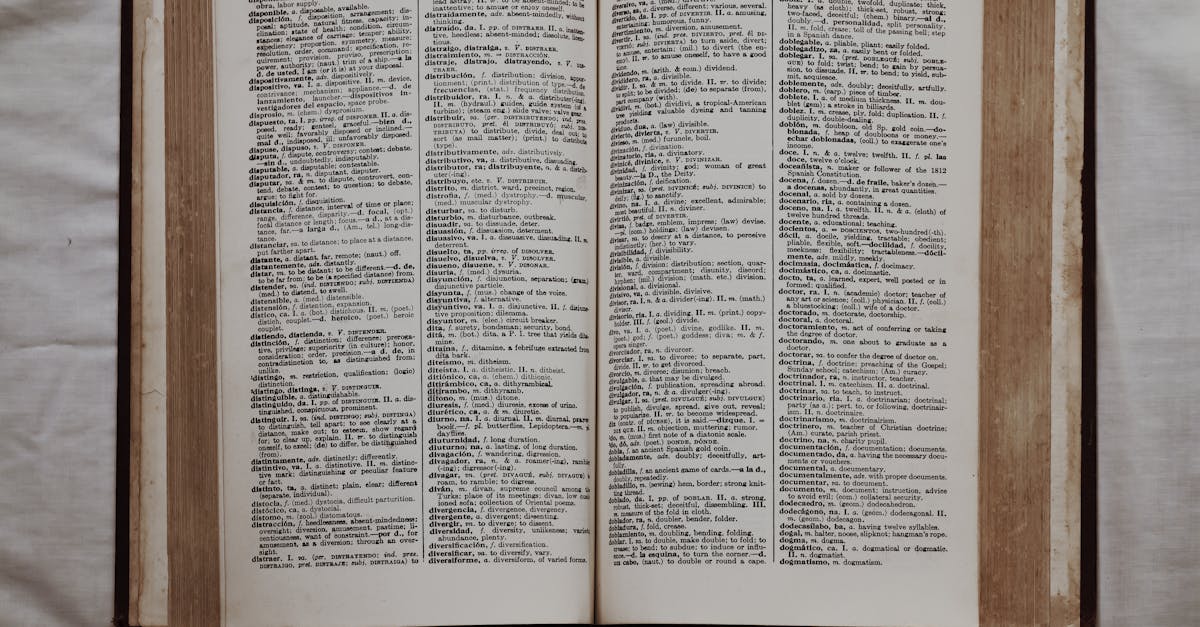

American English has evolved through centuries of cultural exchange, innovation, migration, media influence, and regional identity. While British English and other global varieties share the same linguistic roots, the United States has developed vocabulary that reflects its history, geography, technology, and social customs. Below are fifteen words and phrases that are distinctly American in usage, tone, or meaning.
1. Sidewalk
In American English, a sidewalk is the paved path along the side of a street for pedestrians. While other English varieties may use a different term, Americans consistently use “sidewalk” in legal documents, urban planning, and everyday speech. For example: “The city repaired the sidewalk after the storm.” The word reflects early American urban expansion in the nineteenth century when city infrastructure rapidly developed.
2. Apartment
An apartment in American English refers to a self-contained housing unit within a building. Real estate listings across the United States use this term universally. For example: “She rented a two-bedroom apartment downtown.” The American housing market, with its dense urban centers, popularized this term in everyday conversation and advertising.
3. Elevator
Americans use elevator to describe a mechanical lift in buildings. The widespread growth of skyscrapers in cities like New York and Chicago during the late nineteenth and early twentieth centuries cemented the term in American vocabulary. Example: “Take the elevator to the tenth floor.” The word is tied to America’s architectural and industrial expansion.
4. Truck
In the United States, a truck refers to a motor vehicle designed to transport goods. Pickup trucks in particular are deeply embedded in American culture, especially in rural and suburban areas. According to automotive industry reports, pickup trucks consistently rank among the best-selling vehicles in the country. Example: “He drove his truck across the state.”
5. Gasoline
Americans use the word gasoline (frequently abbreviated as “gas”) to refer to motor vehicle fuel. Across the country, expressions like gas stations, gas prices, and gas pumps are completely commonplace. To illustrate: “Gasoline prices rose by five percent this month.” This nomenclature is rooted in early petroleum marketing history throughout the United States.
6. Cookie
In American English, a cookie is a small, sweet baked treat. The word appears frequently in cookbooks, grocery stores, and advertising. Example: “She baked chocolate chip cookies.” The American food industry popularized regional cookie varieties that later spread globally.
7. French Fries
Americans typically say French fries for fried potato strips. The phrase appears on nearly every restaurant menu in the country. Fast food culture, which expanded globally from the United States in the twentieth century, helped export the term worldwide. Example: “I ordered a burger and French fries.”
8. Film
While “film” exists in American English, movie is far more common in casual speech. Hollywood’s dominance in global entertainment reinforced the popularity of this word. Example: “Let’s watch a movie tonight.” The term reflects the early twentieth-century motion picture industry centered in California.
9. Vacation
In the United States, vacation refers to time off from work or school for travel or leisure. Corporate policies, travel agencies, and government labor statistics use this term consistently. Example: “We are taking a vacation in July.” The word reflects American work culture and structured paid leave systems.
10. Fall
Americans commonly use fall to describe the season between summer and winter. Retail marketing, school calendars, and sports schedules use the term extensively. Example: “School starts in the fall.” The word dates back to early English usage but remained dominant in North America while becoming less common elsewhere.
11. Mailbox
A mailbox in American English is the receptacle for delivered mail, often placed at the end of a driveway in suburban and rural areas. The United States Postal Service standardized residential mailboxes in the twentieth century. Example: “There was a letter in the mailbox.”
12. Freeway
A freeway describes a high-speed, multi-lane roadway featuring controlled access. This particular expression proves especially prevalent in regions such as California. Following the Second World War, infrastructure growth prompted the development of vast freeway networks. Example: “Traffic on the freeway was heavy this morning.”
13. Candy
Americans use candy as a broad term for sweet confections. The word dominates retail packaging, holidays such as Halloween, and popular culture. Example: “The children collected candy while trick-or-treating.” Seasonal candy sales in the United States generate billions of dollars annually.
14. Mobile Device
The term cell phone serves as the standard American expression for a mobile telephone. This phrase is widely adopted by telecommunications providers, legal frameworks, and consumer marketing campaigns. For instance, one might say, “She forgot her cell phone at home.” The expansion of cellular networks throughout the 1980s and 1990s helped popularize this designation.
15. Awesome
While the word originally meant inspiring awe, in American English awesome commonly expresses enthusiastic approval. Example: “That concert was awesome.” Surveys of contemporary speech show the word frequently used across age groups, especially in informal conversation and digital communication.
Why These Words Matter
These fifteen words and phrases reveal patterns in American life: urban development, technological innovation, transportation networks, food culture, entertainment, and informal social expression. Many originated during periods of rapid expansion, such as industrialization, westward growth, and the rise of mass media. Others reflect everyday habits shaped by geography and infrastructure, from suburban mailboxes to interstate freeways.
American English continues to influence global communication through film, technology, business, and the internet. Words like “movie,” “cell phone,” and “awesome” travel quickly across borders due to media exposure, while terms like “sidewalk” and “freeway” remain closely tied to American infrastructure and planning.
Language is a living record of national experience. The vocabulary Americans use daily captures their history of innovation, migration, commerce, and creativity. As cultural exchange accelerates in the digital age, uniquely American expressions may either spread globally or become markers of regional identity, reminding us that even shared languages evolve along distinct cultural paths.