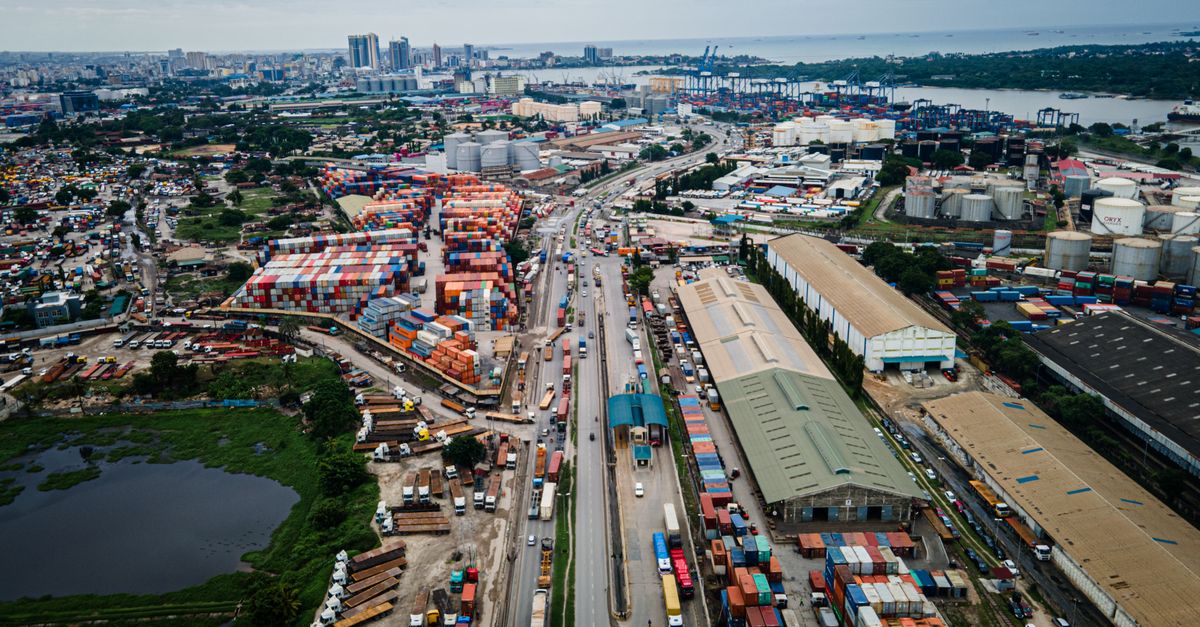

Houston has long been regarded as the world’s energy capital, a reputation shaped over decades through its leadership in oil and gas exploration, refining, and petrochemical development. Today, the city is reshaping that legacy by expanding energy innovation ecosystems focused on sustainability and industrial evolution. Instead of distancing itself from its industrial foundation, Houston is using that strength to drive low-carbon technologies, digital advancements, and scalable clean-energy solutions. The outcome is a distinctively integrated approach that links established energy expertise with emerging climate-centered innovation.
From an Energy Capital to a Leading Hub for the Energy Transition
Houston’s energy economy is vast. The region is home to more than 4,500 energy-related firms and employs hundreds of thousands of workers across upstream, midstream, downstream, and power generation sectors. This concentration of talent, infrastructure, and capital has created fertile ground for diversification into renewable energy, hydrogen, carbon management, and electrification.
Major energy companies headquartered in Houston have committed billions of dollars to decarbonization projects. Investments in carbon capture, utilization, and storage, low-carbon fuels, methane reduction, and electrification of operations signal a strategic pivot. Unlike regions building clean energy sectors from scratch, Houston is retrofitting and transforming existing industrial systems, creating a powerful multiplier effect.
Innovation Districts and Collaborative Platforms
A cornerstone of Houston’s transformation is the development of innovation districts and collaborative ecosystems. The Ion District, located in Midtown, serves as a nexus for startups, researchers, venture capital, and corporate partners. It provides laboratory space, accelerator programs, and industry mentorship focused on climate technology and industrial innovation.
Organizations such as Greentown Labs Houston and the Houston Energy Transition Initiative play catalytic roles. Greentown Labs supports early-stage climatetech startups by offering prototyping facilities, pilot opportunities, and direct access to industry partners. The Houston Energy Transition Initiative convenes corporations, policymakers, and academic institutions to align strategies and accelerate scalable deployment.
This ecosystem model encourages collaboration over rivalry, enabling startups to reach customers and real-world testing environments, while established companies benefit from access to cutting-edge technologies and entrepreneurial agility.
Leadership in Hydrogen and Carbon Management
Hydrogen and carbon capture have emerged as pillars of Houston’s sustainability strategy. The Gulf Coast’s dense concentration of refineries, petrochemical plants, pipelines, and port facilities makes it ideal for large-scale hydrogen production and carbon dioxide transport networks.
Houston-area companies are advancing blue and low-carbon hydrogen projects that leverage existing natural gas resources while integrating carbon capture systems. Simultaneously, green hydrogen projects powered by renewable electricity are under development. The region’s extensive pipeline infrastructure enables cost-effective carbon dioxide transport to geological storage sites along the Gulf Coast.
Industry studies estimate that large-scale carbon capture projects in the Houston Ship Channel could reduce tens of millions of metric tons of carbon dioxide annually. These initiatives demonstrate how industrial clusters can decarbonize collectively, reducing costs through shared infrastructure.
Advances in Electrification, Digital Innovation, and Industrial Efficiency
Beyond hydrogen and carbon capture, Houston is propelling industrial change through broader electrification and sophisticated digital optimization, with smart grid upgrades, cutting-edge battery storage, and distributed energy networks spreading throughout the area while digital tools including artificial intelligence, predictive maintenance, and continuous emissions tracking enhance operational performance.
Industrial facilities are increasingly deploying sensors and data analytics platforms to reduce energy consumption and detect methane leaks. These measures not only lower emissions but also enhance safety and profitability. The integration of digital innovation with physical infrastructure reflects Houston’s broader strategy: modernize heavy industry while maintaining competitiveness.
- Advanced monitoring systems help cut operational emissions and minimize periods of inactivity.
- Electrified equipment and fleet transitions lower dependence on diesel along with other fossil fuels.
- Energy storage integration ensures a steadier flow of renewable power for industrial operations.
- AI-driven optimization enhances energy efficiency throughout intricate facilities.
Academic and Workforce Coordination
Houston’s universities play a vital role in sustaining its innovation ecosystem. Institutions such as Rice University and the University of Houston conduct cutting-edge research in materials science, carbon management, and clean energy systems. Research partnerships with industry accelerate commercialization pathways.
Workforce development initiatives are equally important. Transitioning from traditional oil and gas roles to advanced energy systems requires retraining in digital engineering, hydrogen technologies, and carbon management operations. Community colleges and vocational programs are aligning curricula with evolving industry needs, ensuring that local talent can participate in the transition.
This approach reduces social disruption while enhancing economic resilience. Rather than displacing workers, Houston aims to upskill them, preserving institutional knowledge while adapting to new technological demands.
Capital Flows and Policy Support
Investment capital is flowing into Houston’s energy transition landscape. Venture capital firms, corporate venture arms, and private equity funds are increasingly targeting climate technology startups with scalable industrial applications. Public funding mechanisms, tax incentives, and federal infrastructure programs further de-risk large projects in hydrogen, carbon capture, and grid modernization.
Policy frameworks at the state and federal levels support industrial decarbonization without undermining competitiveness. Incentives for carbon storage, clean hydrogen production, and renewable energy deployment provide financial certainty that encourages long-term infrastructure investments.
Port of Houston and Global Connectivity
The Port of Houston amplifies the city’s strategic position. As one of the busiest ports in the United States, it facilitates global energy trade and serves as a logistical hub for renewable fuels and hydrogen derivatives. Port authorities are implementing electrification initiatives, emission reduction programs, and resilience planning to align maritime operations with sustainability goals.
Global partnerships broaden Houston’s reach worldwide, as international delegations, trade missions, and collaborative cross-border research efforts help establish the city as a living laboratory for the global energy transition.
Industrial Transformation as a Competitive Advantage
Houston’s strategy is distinctive because it integrates sustainability with industrial pragmatism. Rather than viewing decarbonization as a threat to legacy industries, the city treats it as an opportunity for modernization and growth. By leveraging its engineering expertise, infrastructure density, and capital access, Houston accelerates technologies that might struggle to scale elsewhere.
The dynamic collaboration among startups, multinational corporations, research institutions, and public agencies generates a continuous cycle of innovation, where pilot initiatives gradually shift into full commercial applications, infrastructure upgrades pave the way for fresh business opportunities, and skilled professionals move into more advanced positions that keep the economy thriving.
Houston’s evolving energy ecosystem shows how an industrial powerhouse can reinvent itself while staying true to its core strengths, proving that sustainability and large-scale industry can coexist and even strengthen each other when guided by innovation, cooperative effort, and long-range planning.