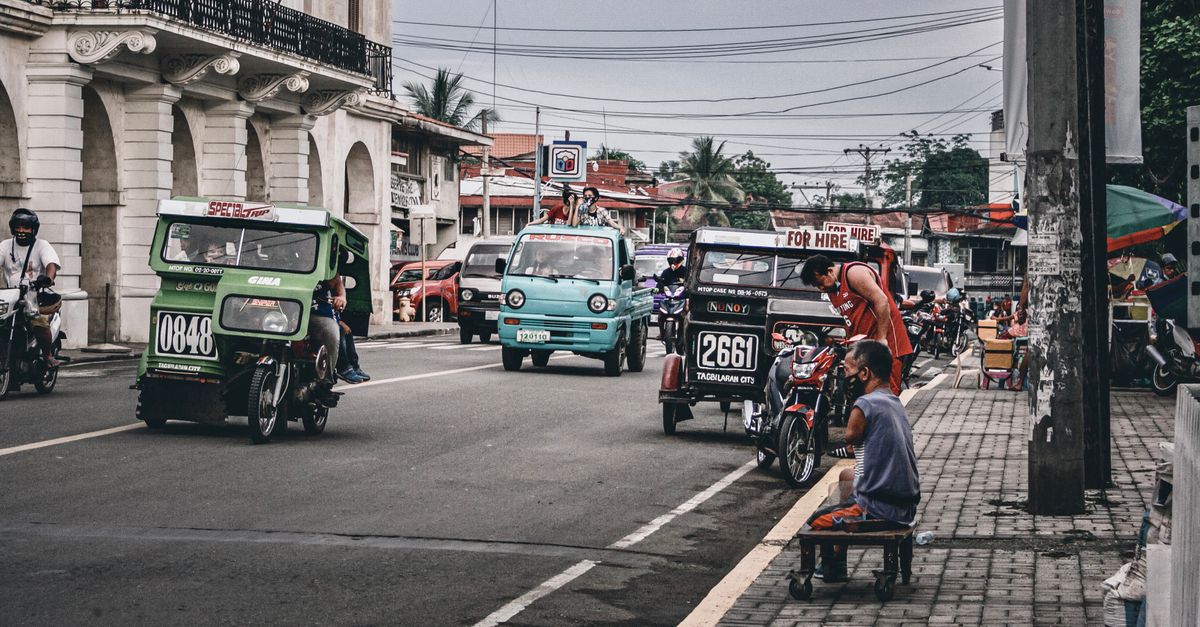

The Philippines contends with a rising array of natural threats, including tropical cyclones, storm surges, flooding, landslides, earthquakes, volcanic activity, and sea level increases. Each year, an average of 20 tropical cyclones enter the Philippine Area of Responsibility, with about five typically reaching land. Repeated large‑scale disasters—most notably Typhoon Haiyan (2013), which impacted millions and caused economic damage amounting to billions of dollars—have highlighted the urgent need for stronger disaster risk reduction (DRR) measures and more resilient communities. Companies operating in the Philippines are steadily weaving corporate social responsibility (CSR) into disaster preparedness and local resilience initiatives, shifting from occasional relief efforts toward proactive prevention, preparedness, and sustained recovery.
Why CSR matters for disaster preparedness
- Scale of resources: Private sector financial, logistical, and technical capacity can complement scarce public funds for infrastructure, early warning systems, and community programs.
- Local presence and assets: Companies often maintain facilities, distribution networks, and staff in provinces and barangays, making them practical partners for local response and continuity.
- Supply-chain resilience: Businesses have an incentive to protect suppliers, employees, and markets; CSR investments in resilience can reduce business interruptions and social costs.
- Long-term development links: Resilience interventions such as livelihoods diversification, microfinance, and infrastructure rehabilitation contribute to sustainable development goals (SDGs).
How CSR interventions strengthen neighborhood resilience
Companies deploy a range of CSR strategies that bolster community capacities before, during, and after disasters. Common approaches include:
- Preparedness and training: First aid instruction, coordinated search-and-rescue efforts, organized evacuation drills, and community hazard mapping carried out with barangay leaders and local schools.
- Early warning and communications: Enhancing weather tracking, installing community sirens, operating SMS alert platforms, and providing emergency telecom solutions such as mobile charging hubs, Wi-Fi access points, and cell-on-wheels units.
- Resilient infrastructure: Financing or restoring evacuation facilities, creating multi-hazard shelters, upgrading school structures, constructing elevated sea walls, and implementing climate-ready water and sanitation systems.
- Livelihood protection and recovery: Seed funding for farming and fisheries, equipment kits for small enterprises, vocational upskilling, and cash-transfer assistance to speed up recovery efforts.
- Financial products: Microinsurance options, emergency loan facilities, business continuity funding, and collaborations with microfinance institutions to lessen exposure to risks.
- Supply chain adaptation: Broader supplier networks, pre-staged inventories, and strategic logistics planning to maintain the flow of essential goods and services for communities.
Notable corporate examples and initiatives
- Telecommunications and emergency communications: Major telecom providers have traditionally set up mobile charging hubs, temporary cellular sites, and complimentary call services in the immediate aftermath of powerful storms, helping reestablish essential communication links for affected families and emergency teams.
- SM Foundation and community infrastructure: The foundation’s post-typhoon relief and rehabilitation initiatives have involved reconstructing schools, restoring public amenities, and building evacuation centers in high-risk municipalities, which strengthens long-term safety and creates secure community spaces.
- Private sector partnerships after Typhoon Haiyan: In the wake of the 2013 catastrophe, numerous corporations collaborated with government agencies and local NGOs to revive livelihoods such as fisheries and small businesses, rebuild homes, and assist with school repairs and psychosocial support across Eastern Visayas. These cross-sector efforts sped up recovery in many communities and offered blueprints for coordinated response.
- Food and beverage companies: These firms have provided clean water, hygiene supplies, and nutritional support during emergencies while also investing in upgraded water systems and sanitation facilities in at-risk areas to lower the incidence of waterborne illnesses after disasters.
- Banking foundations and financial resilience: Foundations linked to major banks frequently offer emergency aid, collaborate with local governments to deliver community preparedness training, and back microinsurance initiatives designed to shield low-income households from asset and income losses.
- Energy and renewable projects: Companies funding solar-powered community lighting, water pumps, and microgrids have helped decrease dependence on fuel-driven generators and strengthened long-term resilience in remote barangays that regularly face power interruptions.
Measurable impacts and economic rationale
Investment in DRR through CSR demonstrates measurable returns on social and economic fronts:
- Reduced response time and improved coordination: Established communication pathways between corporations and government agencies accelerate the deployment of critical relief and streamline overall logistics.
- Lower recovery costs: Robust infrastructure and diversified livelihoods limit the extent of reconstruction efforts and diminish reliance on urgent financial support.
- Business continuity: When companies bolster community resilience, they help safeguard employees and suppliers, curbing operational interruptions and sustaining market demand.
- Benefit-cost ratios: International DRR research consistently shows that every dollar directed toward disaster risk reduction can yield multiple dollars in prevented losses through mitigation and preparedness.
Key strategies for strengthening disaster resilience through effective CSR
- Align with national frameworks: Incorporate CSR initiatives into the Philippines’ Disaster Risk Reduction and Management Act (RA 10121) and local DRRM strategies, reducing overlap while reinforcing existing systems.
- Community-led design: Develop programs collaboratively with barangay representatives, women’s groups, and youth organizations to secure community ownership and ensure they fit neighborhood priorities.
- Long-term commitment: Shift from isolated relief activities toward steady, multi-year investments in infrastructure, capacity building, and financial tools that can endure recurring threats.
- Data-driven planning: Rely on hazard maps, climate forecasts, and vulnerability analyses to guide investment choices and evaluate progress.
- Public–private partnerships: Combine corporate, government, and NGO resources to drive scalable initiatives, such as shared early warning systems, co-financed evacuation centers, and jointly managed community storage facilities.
- Gender and inclusion: Integrate gender-responsive methods and disability-inclusive planning so that preparedness and recovery efforts prioritize those most at risk.
- Transparency and measurement: Disclose resilience-related investments and outcomes within CSR/ESG reports, applying standardized metrics to highlight social impact and key insights.
Challenges and barriers
- Short-term funding horizons: CSR budgets often prioritize highly visible, fast-acting support rather than sustained prevention efforts that deliver benefits more gradually.
- Coordination gaps: When numerous stakeholders operate without unified guidelines, their programs may overlap or leave certain neighborhoods underserved.
- Scale and reach: The presence of many small communities spread across thousands of islands requires corporate initiatives to be either broadly scalable or precisely targeted to achieve meaningful impact.
- Measuring social returns: Assessing prevented losses and other hard-to-track resilience gains remains methodologically intricate, making ROI evaluations challenging for private contributors.
How to scale impact and integrate CSR into national resilience
- Incentivize multi-year commitments: Tax incentives, public recognition, or co-financing mechanisms can encourage corporations to adopt sustained resilience programs.
- Standardize partnership frameworks: Create model agreements between government units and companies for rapid activation of resources during emergencies.
- Leverage technology and data: Encourage corporate investment in community-level hazard mapping, real-time monitoring platforms, and open-data sharing to improve planning and response.
- Build local networks: Strengthen barangay-level volunteer corps through corporate-sponsored training and equipment, creating distributed capacity across neighborhoods.
- Promote financial innovations: Scale microinsurance and contingency financing products with private sector underwriting and public backstops to protect low-income households and microenterprises.
Communities in the Philippines become more resilient when preparedness for disasters is treated as a collective duty shared by government, civil society, and the private sector. Corporate social responsibility that moves away from one-off relief efforts toward coordinated, long-term investments—aligned with national DRR frameworks, developed in collaboration with communities, and evaluated for tangible results—can help safeguard lives, sustain livelihoods, and maintain the social fabric of neighborhoods repeatedly exposed to risk. By bringing together local insight, corporate capabilities, and public planning, CSR can convert vulnerability into adaptive strength and foster neighborhoods that not only endure disruptions but also recover and flourish.