
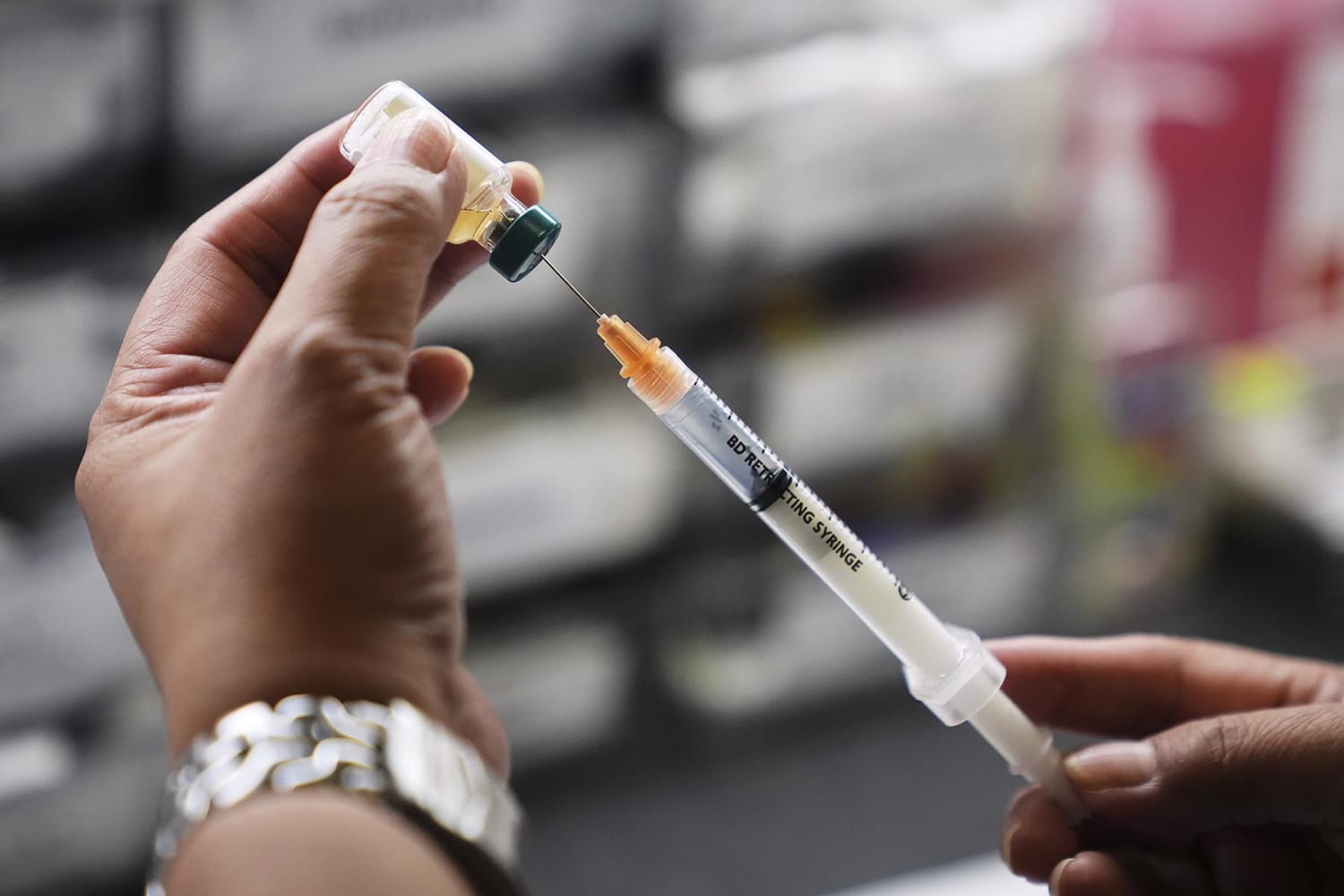

After years of rebuilding trust and unity, a small community that once struggled under the influence of a manipulative leader is now facing a new and unexpected crisis: a measles outbreak that threatens to undo its slow path to healing.
A delicate rebound interrupted
In a tranquil, remote area, a tight-knit group of people had been striving to heal from the wounds inflicted by a captivating but domineering individual who previously dictated their convictions, daily habits, and social interactions. For many years, the inhabitants dedicated themselves to reconstructing their existences, prioritizing the restoration of individual freedom, learning opportunities, and dependable medical services—elements that were once limited by the leader’s sway. Nevertheless, that delicate advancement has been abruptly disrupted. The reappearance of measles, a preventable illness long believed to be contained, has rekindled apprehension and doubt among those still learning to place their faith in the broader world.
The initial indications of a problem emerged as several youngsters began exhibiting elevated temperatures and skin eruptions. Initially, numerous parents held onto the belief that it was a common seasonal ailment, but as the manifestations proliferated and grew more severe, regional health authorities validated their gravest apprehensions: measles had infiltrated the populace. For individuals still contending with the emotional repercussions of seclusion and coercion, this epidemic feels like a harsh reverberation of bygone days—yet another trial of fortitude and unity.
The roots of vulnerability
The present health challenges facing the community are inextricably linked to its historical context. Under the previous leader’s dominion, external medical interventions were frequently dismissed as either superfluous or hazardous. Immunizations, in particular, were actively discouraged, portrayed as an encroachment by external forces aiming to compromise the group’s “integrity.” Consequently, a significant number of children matured without receiving standard vaccinations, rendering the populace highly vulnerable to illnesses that could otherwise be prevented.
Even after the leader’s power diminished and families started reconnecting with nearby communities, the harm had already occurred. Decades of skepticism towards established organizations and scientific findings left profound scars, fostering an atmosphere where inaccurate information about immunizations persists. Health officials who have since intervened to help characterize a challenging struggle—not merely to control the epidemic but also to restore faith in public health frameworks.
Local healthcare professionals and community helpers have been visiting homes, providing information and complimentary immunization drives. However, advancement has been sluggish. A segment of the population, still affected by prolonged indoctrination, continues to be reluctant or apprehensive. False information has demonstrated a contagiousness comparable to the virus itself, disseminating through rumors, online posts, and persistent anxieties about exploitation.
Personal narratives amidst the crisis
Behind the numbers and news reports lie the stories of families who thought they had overcome the worst. Parents are now consoling their children, who are experiencing symptoms they can barely comprehend. Older residents, remembering past epidemics that occurred before widespread vaccination, express astonishment that such illnesses could reappear in the 21st century.
Healthcare workers stationed nearby describe long shifts, emotional exhaustion, and the difficulty of confronting resistance from those who still associate medical intervention with control or punishment. For them, this is not merely a medical emergency—it’s a human challenge rooted in trauma, distrust, and broken social bonds.
One local physician, who has been offering their time since the epidemic started, articulated that the battle against measles in this region involves not only halting the spread of infection, but also mending unseen scars. Every immunization signifies more than just defense against illness; it also marks progress towards regaining self-determination and confidence.
Lessons in resilience and responsibility
The current crisis offers a sobering reminder of how fragile public health can become when misinformation takes root and trust erodes. In most regions, measles was declared eliminated years ago, yet its resurgence in small, isolated populations demonstrates how quickly progress can unravel when prevention measures are neglected.
Experts highlight that restoring public trust in healthcare extends beyond immediate relief; it necessitates sustained interaction, compassion, and ongoing educational initiatives. Religious and community leaders, now advocating for immunization campaigns, are playing a crucial role in connecting medical professionals with families who are hesitant. Their participation helps illustrate that faith and science do not have to be conflicting entities, but can instead collaborate in the mutual quest for health.
As vaccination teams continue their rounds and recovery efforts intensify, there are glimmers of hope. More parents are agreeing to immunize their children, understanding that protection is not a sign of submission but of care. Community gatherings now include discussions about health, prevention, and the lessons learned from their collective experience.
Despite the fear and upheaval brought by the outbreak, it has also highlighted the extraordinary fortitude of a community resolved to avoid past errors. Every day, fresh accounts of collaboration emerge—neighbors providing provisions to families in isolation, young volunteers aiding medical personnel, and local authorities fostering openness and discussion.
Still, specialists caution that the journey ahead will be extensive. Reestablishing herd immunity requires time, and the psychological wounds from both the cult’s dominance and the ongoing health crisis will not disappear instantly. Nevertheless, the readiness to interact, heed, and acquire knowledge signifies a profound transformation from the quietude that previously characterized their existences.
In the end, what began as a health emergency has evolved into a test of trust—a reminder that recovery is not only about survival, but also about rediscovering the strength to believe in one another. The community’s story stands as a testament to human endurance, proving that even after years of manipulation and fear, healing is possible when people choose compassion over isolation and truth over deceit.


