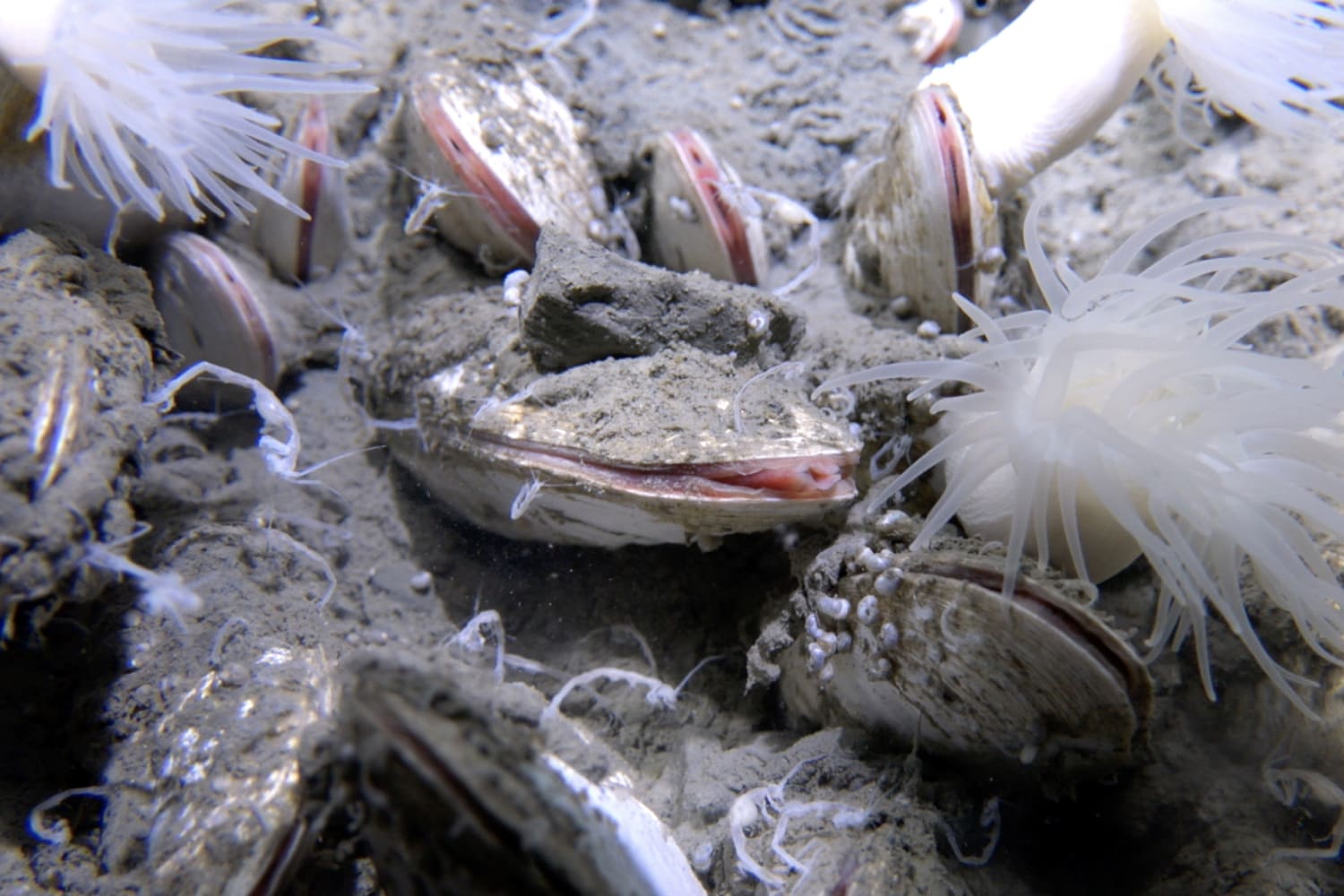

In the vast, dark depths of the ocean, a remarkable ecosystem has been uncovered, showcasing life forms and natural phenomena previously hidden from human view. Using advanced deep-sea submersibles, researchers have explored remote underwater environments where they found thriving communities of worms and extensive mats of microorganisms resembling snowy landscapes. This discovery offers new insights into the diversity and resilience of life in some of the most extreme places on Earth.
Deep beneath the ocean surface, conditions are harsh. The environment is characterized by high pressure, near-freezing temperatures, and complete darkness. Despite these challenges, certain species have adapted to survive and even flourish. The recent exploration revealed dense fields of marine worms living on the seabed, coexisting with thick layers of microbial mats that cover the ocean floor like a blanket of snow. These microbial mats are composed of bacteria and other microscopic life forms that play a crucial role in the ecosystem’s function.
The worms observed belong to species specially adapted to thrive in the deep sea. Their presence in large numbers forms a foundation for a complex food web, supporting various other organisms. The microbial mats, meanwhile, act as primary producers, converting inorganic substances into energy through chemical processes, a mechanism known as chemosynthesis. This process sustains the ecosystem in the absence of sunlight, which cannot penetrate such extreme depths.
This flourishing environment challenges earlier assumptions about deep-sea habitats being sparse and barren. Instead, it highlights how life can develop in isolated and seemingly inhospitable areas. The interactions between the worms and the microbial communities create a balanced system where nutrients are recycled, and different species depend on each other for survival.
The breakthrough occurred due to cutting-edge submersibles designed to dive into extreme depths, fitted with advanced cameras and collection instruments. These machines enable researchers to see and gather samples without harming the delicate environment. By using direct monitoring and examination, scientists can explore the biology, habits, and ecological connections of these deep-sea creatures with remarkable precision.
A remarkable aspect of this environment is the vivid contrast presented by the worms set against the backdrop of the white microbial mats. The mats appear snowy because of the tightly packed groups of microbes and the substances they produce during metabolism. This combination forms a scene that is unlike anything observed in shallow aquatic zones or land habitats, resembling an extraterrestrial world under the sea.
Comprehending these ecosystems is essential for various reasons. Firstly, it enhances our understanding of deep-sea biodiversity, uncovering species previously unknown. Each species might possess unique genetic material that could contribute to scientific and medical progress. Secondly, these ecosystems offer understanding into how life might thrive on planets or moons with similar harsh conditions, broadening the field of astrobiology.
Additionally, preserving the fragile equilibrium in this ecosystem highlights the need to safeguard deep-sea habitats from human influences, including deep-sea mining, contamination, and climate change. These dangers have the potential to disturb microbial populations and the species that depend on them, resulting in reductions in biodiversity and ecosystem functions.
Ongoing research focuses on mapping the distribution of these worm fields and microbial mats, assessing their health, and understanding their responses to environmental changes. The findings so far emphasize that the deep ocean remains one of the least explored frontiers on Earth, with much still to discover.
The discovery of flourishing life in the ocean depths inspires a fresh admiration for nature’s intricacy and resilience. It serves as a reminder that ecosystems in the most isolated and harsh environments can form complex webs of life. As research progresses, scientists aim to learn more about these distinctive communities and their functions within the larger marine ecosystem.
The recent finding of areas abundant with worms and white microbial carpets reveals a lively and active ecosystem deep underneath the ocean. It emphasizes how life adapts to harsh environments and the necessity of conserving these marine habitats for future generations. This investigation not only enhances scientific knowledge but also evokes awe about the concealed ecosystems beneath the ocean’s surface.