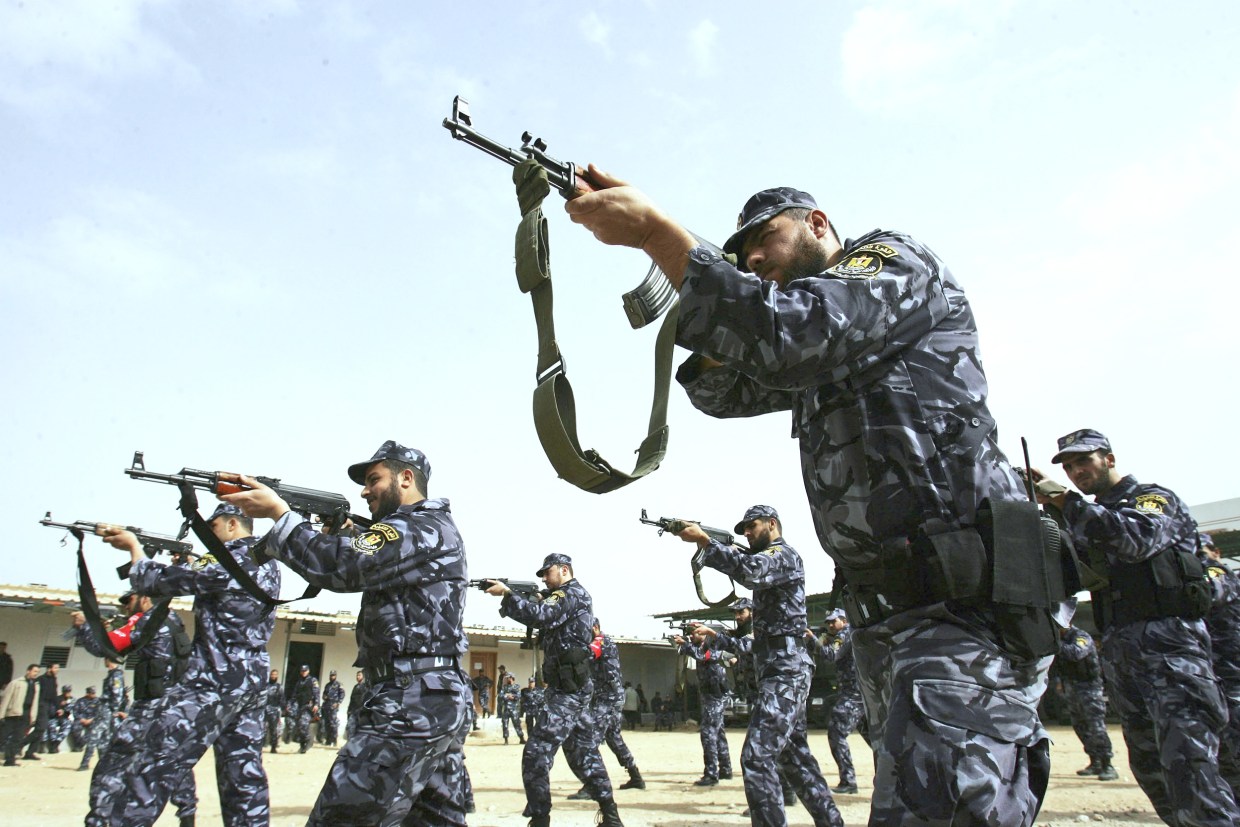

The financial mechanisms supporting Hamas’s governance operations in Gaza have drawn increasing scrutiny from international observers. While the organization faces significant economic sanctions and banking restrictions, it has developed alternative systems to compensate civil servants and maintain administrative functions in the territory it controls. These financial networks demonstrate remarkable adaptability in circumventing traditional banking channels that remain largely inaccessible due to anti-terrorism legislation.
At the core of this system lies a complex web of informal transfer methods and cash distribution points. Rather than relying on conventional bank transfers, Hamas utilizes a combination of trusted intermediaries, physical cash transport, and alternative financial services to move funds. Money changers and informal hawala networks play a central role, allowing salaries to reach intended recipients without direct transactions through monitored financial institutions. These age-old transfer systems, based on personal trust and balancing of debts between brokers, have proven resilient against modern financial sanctions.
The salary distribution process reportedly involves multiple layers of security and verification. Civil servants and security personnel receive coded messages directing them to specific locations at predetermined times, where they can collect their payments in cash. The amounts distributed often fluctuate based on available funding, reflecting the unpredictable nature of Hamas’s revenue streams. Payment schedules may vary unexpectedly as funds become accessible through various channels.
Hamas’s financial sustainability relies on diverse income sources that evade international oversight. These include donations from sympathetic organizations abroad, business investments in various countries, taxation on goods moving through Gaza’s tunnel network, and local revenue generation. The organization has become increasingly sophisticated in disguising these financial flows, often routing them through complex sequences of shell companies and third-party nations before reaching Gaza.
The operational challenges of maintaining this system are substantial. Moving physical cash into Gaza requires intricate logistics, with funds sometimes broken into smaller amounts and transported through multiple border crossings over extended periods. Once inside the territory, the cash distribution network depends on a decentralized structure of neighborhood operatives who oversee localized payment operations while maintaining strict operational security.
International efforts to disrupt these financial flows have met with limited success. While international financial intelligence units have identified and frozen millions of dollars in Hamas-linked assets, the organization’s financial operatives have demonstrated an ability to quickly adapt their methods. When one transfer channel gets disrupted, alternative routes emerge through different networks or financial instruments.
The humanitarian implications of this parallel financial system are complex. While Hamas maintains its governance payroll, Gaza’s general population faces severe economic hardship under the dual pressures of blockade and restricted financial access. Ordinary Gazans struggle with liquidity crises and banking limitations that don’t affect Hamas’s operational finances to the same degree. This disparity has fueled criticism about resource allocation priorities within the territory.
Financial analysts observe that the mechanisms employed by Hamas resemble those utilized by other sanctioned entities across the globe, yet they feature distinct modifications suited to the unique conditions in Gaza. The group has examined and assimilated strategies from other organizations functioning under financial constraints, while crafting novel approaches to address local issues. It is reported that their financial personnel undergo specific training to evade economic sanctions and identify potential infiltrations into their systems.
The cash-based nature of this system creates both vulnerabilities and advantages. While physical currency movements are harder to trace than digital transactions, they also require extensive logistical support and face risks of interception or theft. Hamas has implemented sophisticated accounting methods to track funds through the various stages of collection, transfer, and distribution without creating a centralized paper trail that could be compromised.
International banking regulators continue developing new methods to identify and block Hamas-related transactions, but the organization’s financial specialists remain adept at finding workarounds. Recent efforts have focused on cryptocurrencies and other digital payment methods, though these leave different forensic traces that financial investigators can potentially follow. The cat-and-mouse game between sanctions enforcement and financial circumvention shows no signs of resolution.
This financial infrastructure plays a crucial role in Hamas’s governance model, allowing it to maintain loyalty among its workforce and continue providing basic services despite isolation from the international financial system. The ability to consistently pay salaries, even at reduced levels, reinforces the organization’s claim to be Gaza’s legitimate governing authority in the eyes of many residents.
The robustness of the system prompts significant inquiries regarding the utility of financial sanctions as a policy instrument. Although such actions have clearly limited Hamas’s activities, the group has shown resilience in sustaining essential financial activities through other methods. This situation has sparked discussions among decision-makers about whether increasing the pressure could dismantle the system or merely push it deeper into secrecy.
As international attention continues to focus on Gaza’s humanitarian situation, Hamas’s financial operations remain a contentious issue in discussions about the territory’s future. The organization’s ability to maintain this parallel financial system represents both a practical challenge for those seeking to influence its behavior and a testament to the adaptability of informal economic networks under pressure.
The enduring viability of this framework is still unclear, especially as global financial monitoring capacities improve. Nonetheless, based on past behavior, it seems likely that Hamas will keep adapting its strategies to safeguard this crucial element of its administrative approach. Gaining knowledge of these monetary networks offers valuable perspectives on how non-state entities can persist in their activities despite being formally ostracized from the global financial system.