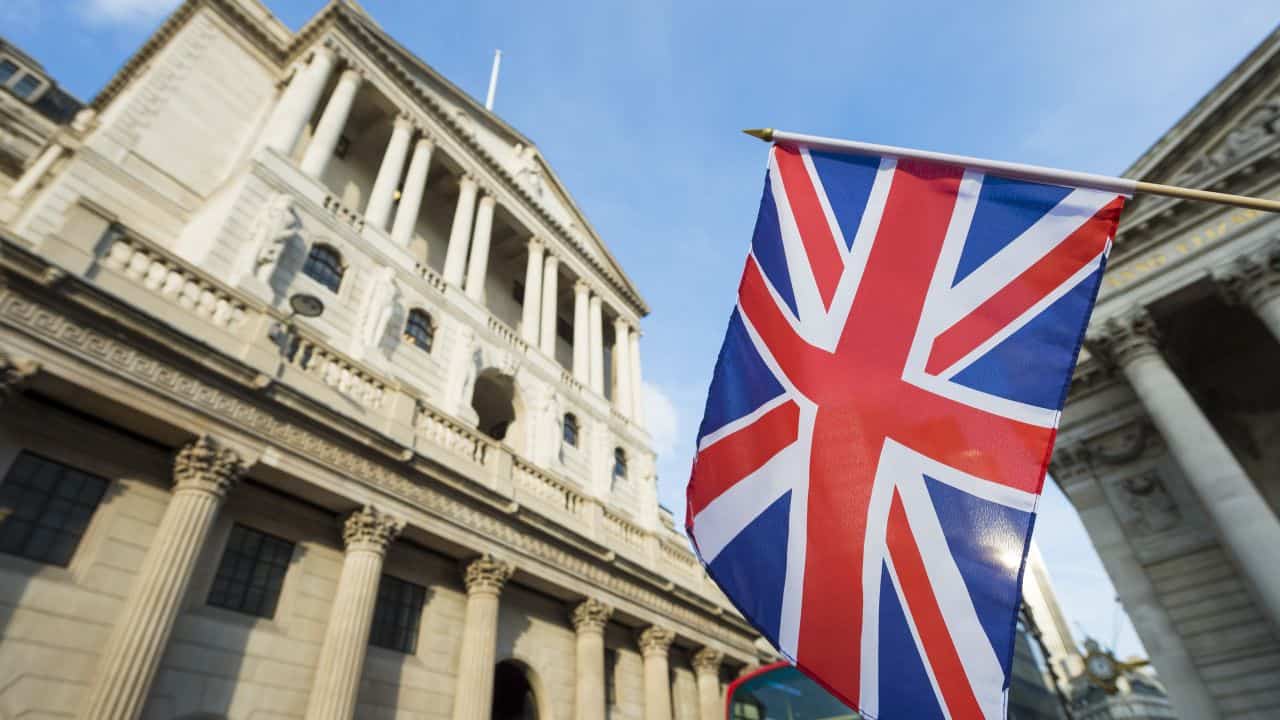

The recent choice by the Bank of England to lower interest rates represents a major change in monetary policy that will impact countless consumers, businesses, and investors throughout the United Kingdom. This adjustment follows a prolonged phase of elevated rates aimed at tackling inflation, indicating that policymakers feel the economic conditions have altered enough to justify a new strategy.
Several key factors have influenced this monetary policy adjustment. Most prominently, inflation figures have shown consistent improvement in recent months, moving closer to the Bank’s 2% target. This gradual stabilization of prices has given the Monetary Policy Committee greater confidence that aggressive rate hikes are no longer necessary to control inflationary pressures. The easing of global supply chain disruptions and falling energy prices have contributed substantially to this positive trend.
Worries about economic expansion have also been pivotal in the decision-making steps. The latest GDP figures reveal that the UK economy has entered a phase of sluggishness, with certain areas showing contraction markers. By reducing borrowing costs, the Bank seeks to encourage business investments and consumer expenditures, offering an essential lift to economic endeavors. This is especially critical for interest-sensitive industries such as housing and long-lasting goods, where elevated rates have notably reduced activities.
The employment market shows a mixed scenario that contributed to shaping the decision to reduce rates. Despite jobs being fairly stable, there are early indicators of slowing down, such as more gradual wage increases and fewer job openings. The Bank’s move aims to avert a deeper decline in employment while sustaining the advancements achieved in managing inflation.
International economic conditions have also influenced the timing of this policy shift. With other major central banks either pausing their rate hike cycles or considering cuts of their own, the Bank of England risks creating undesirable currency fluctuations and trade imbalances if it maintains significantly higher rates than its peers. This global context creates both opportunities and challenges for UK monetary policy.
For homeowners with variable-rate mortgages, the rate reduction will provide immediate financial relief after years of increasing payments. Those considering property purchases may find improved affordability, potentially revitalizing a housing market that has shown signs of stagnation. However, the impact will be more gradual for fixed-rate mortgage holders, who will only benefit when their current terms expire.
Savers will likely see reduced returns on deposits and savings accounts, continuing the pattern of recent years. This creates challenges for those relying on interest income, particularly retirees and others on fixed incomes. The rate cut may prompt investors to reconsider their asset allocations, potentially driving more capital toward equities and other higher-yielding investments.
Business leaders have generally welcomed the decision, particularly in capital-intensive industries where financing costs significantly impact operations and expansion plans. Small and medium-sized enterprises, which often rely more heavily on floating-rate loans, stand to benefit disproportionately from the reduced borrowing costs. This could lead to increased business investment and hiring in sectors that have been cautious about expansion.
The rate cut’s effectiveness will depend on how commercial banks respond in adjusting their own lending rates. While the Bank of England sets the base rate, individual financial institutions determine how much of this change to pass along to customers. Historical patterns suggest the transmission of monetary policy changes to end users can sometimes be incomplete or delayed.
Looking into the future, analysts will carefully watch various indicators to evaluate if additional rate changes could occur. Predictions about inflation, trends in salary increases, and productivity metrics will all play a role in upcoming policy choices. The Bank has highlighted its reliance on data, indicating that the speed and scope of any further measures will adjust according to changing economic situations.
This policy shift represents a delicate balancing act for the Bank of England. While aiming to support economic growth, policymakers must remain vigilant against reigniting inflationary pressures. The coming months will reveal whether they’ve timed this adjustment correctly or if more aggressive action in either direction might become necessary.
For ordinary citizens, the rate cut signals both relief and caution. While borrowing becomes more affordable, the underlying reasons for the reduction – including economic weakness – suggest challenges ahead. Understanding these complex dynamics helps individuals and businesses make more informed financial decisions in an evolving economic environment.
The Bank’s decision ultimately reflects its assessment that the risks of doing too little to support the economy now outweigh the risks of doing too much to fight inflation. As with all monetary policy moves, the full consequences will only become clear with time, influenced by both domestic developments and global economic trends beyond the Bank’s control.