
The U.S. administration’s recent decision to significantly raise tariffs is anticipated to affect consumer costs in various economic sectors. These alterations in trade policy, which are the most considerable import tax shifts in several decades, are expected to cause marked price hikes for numerous common items over the next few months.
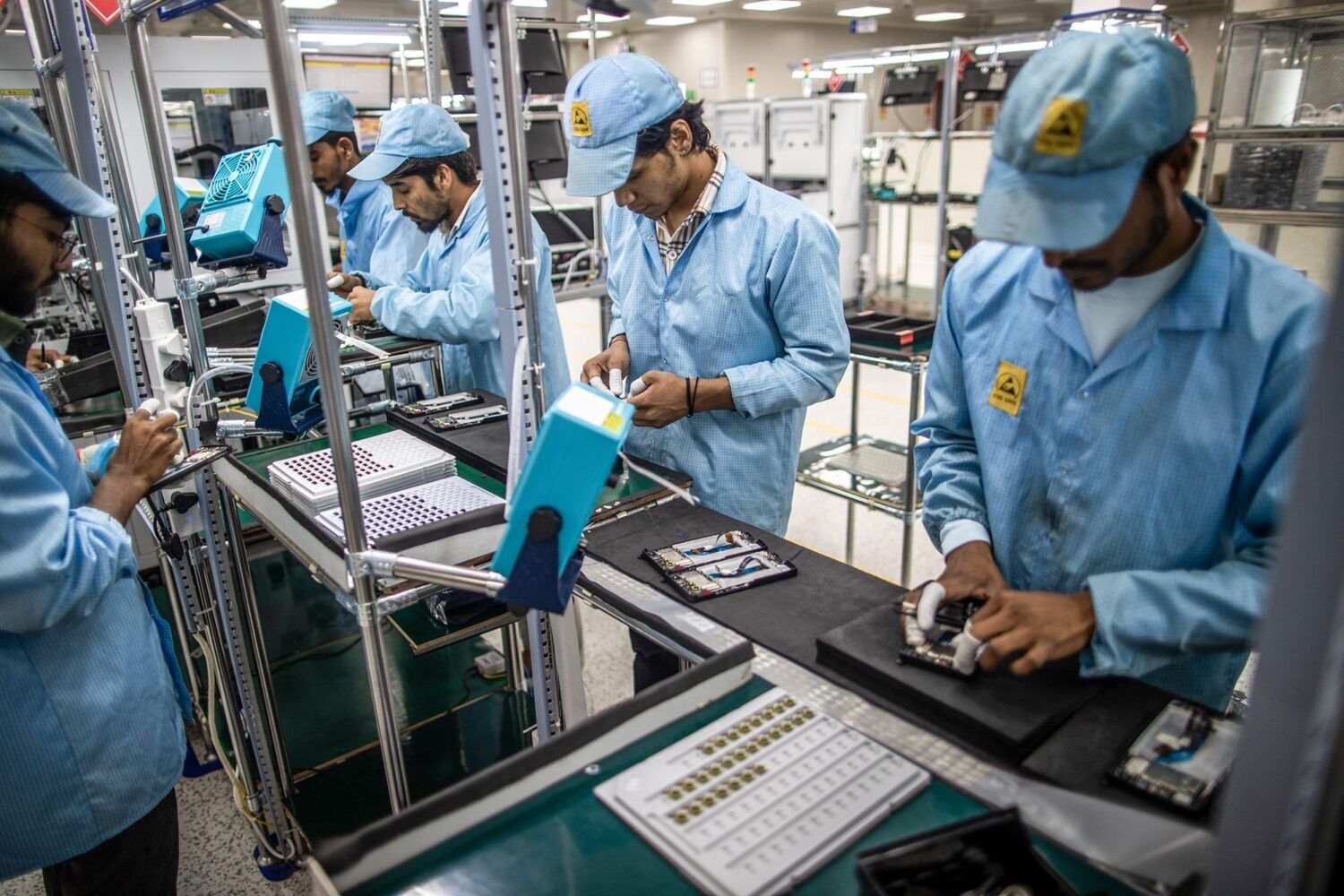
Electronics and technology products appear particularly vulnerable to price hikes. Many consumer electronics, including smartphones, laptops, and home appliances, contain components subject to the new tariffs. Industry analysts predict these products could see retail price increases of 8-12% as manufacturers and retailers pass along higher import costs. The timing is especially challenging as back-to-school and holiday shopping seasons approach, potentially forcing consumers to adjust their purchasing plans.
Automotive products fall into another group encountering major cost challenges. Imported cars and auto parts from specific countries will face much higher tariffs, possibly leading to price hikes of $1,500-$3,000 on the impacted models. The second-hand car market might also feel the repercussions, with prices likely increasing as consumers move away from pricier new cars. The expense of repairs may also go up as spare parts become pricier.
Home renovation and building materials are anticipated to experience significant price hikes. Products such as steel nails, aluminum extrusions, and various construction supplies are subject to substantial new tariffs that are expected to raise construction project expenses by hundreds or even thousands of dollars. This occurs when housing affordability continues to be a significant concern across the country, potentially worsening difficulties for first-time homebuyers and renters encountering new construction setbacks.
The clothing and footwear industry anticipates widespread price adjustments. While some retailers may initially absorb portions of the increased costs to remain competitive, most analysts expect these savings to be temporary. By mid-2025, many apparel items could carry 10-15% higher price tags, with luxury goods and performance wear potentially seeing even steeper increases due to their specialized materials and manufacturing processes.
Grocery stores might have to increase the prices of various imported food products. Some types of cheese, olive oil, and packaged foods coming from particular nations will be subjected to new tariffs, which could significantly raise consumers’ weekly grocery expenses. This situation arises while food inflation is already high, possibly intensifying the financial strain on family budgets.
Los efectos de las tarifas se expanden más allá de los bienes de consumo, afectando también a los insumos industriales y empresariales. Los fabricantes que dependen de materiales o componentes importados podrían enfrentarse a decisiones complicadas entre absorber costos más altos o incrementar los precios para sus clientes. Esto podría generar repercusiones a lo largo de las cadenas de suministro, afectando en última instancia los precios de una variedad de productos nacionales que incorporan importaciones impactadas por las tarifas.
Specialty products and hobbies represent another area where consumers may feel the pinch. Musical instruments, sporting goods, and craft supplies that rely on imported materials could see significant price jumps. These niche markets often have fewer domestic alternatives, leaving buyers with limited options to avoid the higher costs.
The full economic impact will depend on several factors, including how quickly importers can adjust their supply chains, the availability of domestic alternatives, and potential retaliatory measures from trading partners. Some economists warn that the cumulative effect across multiple product categories could meaningfully impact inflation measures and consumer spending patterns in the months ahead.
Certain industries may experience more immediate effects than others. Products with longer inventory cycles, like automobiles and appliances, might not show price changes for several months as retailers work through existing stock. Conversely, goods with rapid turnover, such as fashion items and seasonal products, could reflect tariff impacts much sooner.
Consumers looking to mitigate the financial impact might consider several strategies. Purchasing domestic alternatives where available, timing major purchases before full tariff effects materialize, or exploring used markets could help offset some of the expected price increases. However, for many imported goods with limited substitutes, avoiding higher costs may prove challenging.
The tariff changes arrive during a period of economic uncertainty, with many households already adjusting to elevated prices across numerous categories. The additional pressure on specific product groups could force difficult budgeting decisions and potentially alter consumption patterns in ways that ripple through the broader economy.
As companies and buyers adjust to the evolving trade environment, the complete implications of these policy shifts will slowly reveal themselves. What is definite is that the pricing framework for numerous common goods is undergoing a notable transformation, and consumers in the United States are expected to notice the impacts at cash registers across the country.