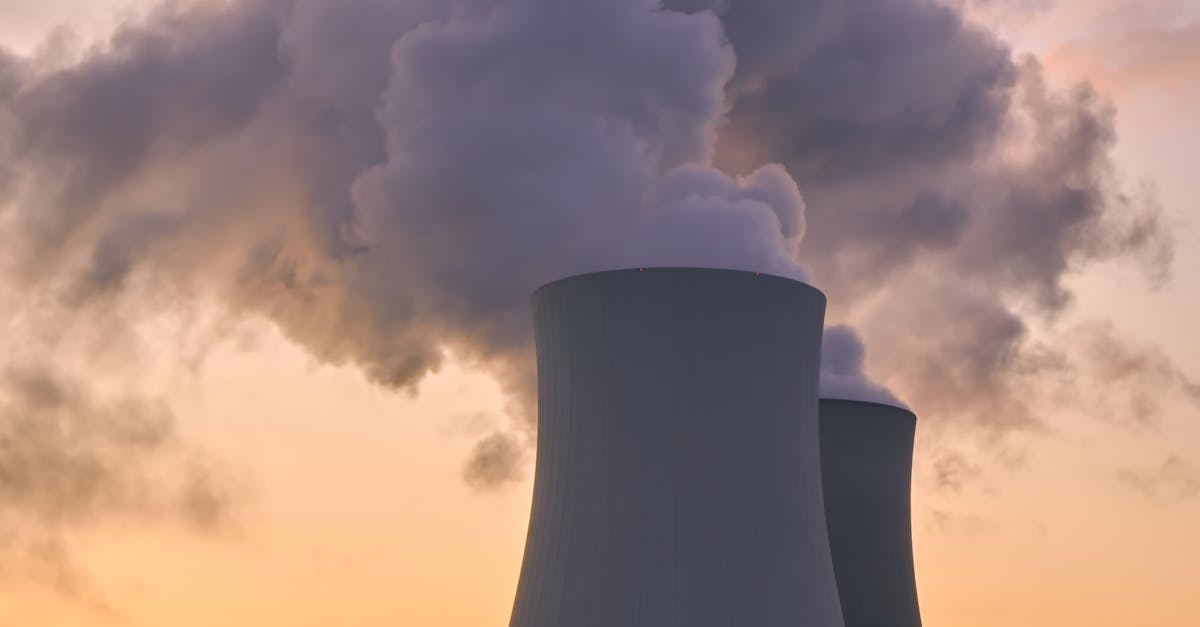

Modern nuclear power rests on a layered system of technical, organizational, regulatory, and institutional safeguards designed to prevent accidents, limit consequences if they occur, protect against malicious acts, and ensure that nuclear materials are not diverted for weapons. These safeguards are applied across the life cycle of a plant: siting, design, construction, operation, emergency planning, waste management, and decommissioning.
Core principles: defense-in-depth and multiple physical barriers
Defense-in-depth is the organizing principle. It implements multiple, independent lines of protection so that no single failure or human error leads to catastrophic release. Complementing this are multiple physical barriers that trap radioactive material and prevent its release to people and the environment.
- Multiple physical barriers: the fuel matrix, the cladding surrounding the fuel, the reactor coolant pressure boundary, the containment structure, and managed release methods like filtered venting work together to provide protection.
- Layering of measures: prevention, detection, control and mitigation, and emergency response form successive defenses that lessen both the chance of an event and its impact.
- Redundancy, diversity, and separation: several independent systems perform the same safety role, relying on varied technologies and physical spacing to limit shared‑cause malfunctions.
Technical protections and structural design elements
Modern reactor designs and retrofits include both active systems that require power or operator action and passive systems that rely on physics and simple devices.
- Containment structures: reinforced steel-lined concrete facilities that confine radioactive substances during major incidents, with modern plants incorporating upgraded containment designs and filtered vent pathways.
- Reactor protection systems: automated, fail-safe mechanisms engineered to initiate rapid shutdowns whenever operating conditions move beyond established safety thresholds.
- Emergency core cooling systems (ECCS): diverse, redundant coolant injection arrangements intended to dissipate decay heat and maintain adequate fuel cooling following reactor shutdown.
- Passive safety features: configurations employing gravity-fed coolant reserves, natural circulation flow, and passive heat exchangers to lower dependence on electrical power and operator response (notable examples include Westinghouse AP1000 passive technologies and NuScale small modular reactor natural circulation).
- Inherent physics-based safety: negative temperature and void coefficients present in numerous reactor designs naturally reduce power output if core temperatures rise, offering built-in self-stabilizing behavior.
- Core catchers and hardened systems: certain plant layouts incorporate devices that contain molten core material to curb containment breaches, while safety-class components are reinforced to withstand seismic activity, flooding, and comparable hazards.
Operational protections, human elements, and a culture of safety
Human operations and organizational safeguards are as important as hardware.
- Rigorous operator training and simulation: full-scope simulators allow crews to practice normal, off-normal, and rare severe scenarios. Licensing requires demonstrated competency.
- Procedures and defenses against human error: strict operating procedures, checklists, independent verification, and shift practices reduce error likelihood.
- Safety culture and peer oversight: industry bodies and utilities foster a culture that prioritizes safety, reporting, and continuous improvement (examples: Institute of Nuclear Power Operations and World Association of Nuclear Operators).
- Performance monitoring and corrective action: plants track safety indicators and implement corrective programs for equipment or procedural deficiencies.
Regulatory frameworks, standards, and inspections
Independent national regulators and international organizations set and enforce safety standards.
- Independent regulators: bodies like the U.S. Nuclear Regulatory Commission, various European national authorities, and additional agencies issue licenses, oversee plant inspections, demand robust safety documentation, and ensure operators meet regulatory obligations.
- International standards and peer review: the International Atomic Energy Agency establishes global safety benchmarks and performs technical peer evaluations, while WANO carries out reviews focused on operational performance.
- Probabilistic safety assessment (PSA): quantitative risk studies determine key risk drivers and inform both engineering enhancements and operational strategies. Regulatory expectations for core damage frequency usually target exceptionally low values, often around 10^-4 reactor‑years or better for modern designs, shaping requirements for design approval and licensing.
- Periodic safety reviews and continuous oversight: plants complete scheduled evaluations, implement aging management initiatives, and undergo regular examinations of safety‑critical systems, structures, and components.
Emergency preparedness and response
Preparedness brings together plant procedures and the response capacities at the local, regional, and national levels.
- Emergency planning zones and protective actions: pre-defined zones, evacuation and sheltering plans, and public notification systems are prepared and exercised regularly.
- On-site and off-site exercises: drill schedules test coordination among plant operators, local authorities, and national agencies to maintain readiness.
- Post-Fukushima enhancements: many nations required additional off-site portable equipment, hardened backup power, elevation of critical equipment, and filtered venting systems to cope with beyond-design-basis events.
Physical protection and digital security
Defense against theft, sabotage, and cyber attacks involves multiple layers.
- Physical protection systems: controlled perimeters, access controls, armed response forces, surveillance, and inventory controls for nuclear material.
- Material accountancy and control: strict records, seals, and tamper-evident devices track nuclear material to prevent diversion.
- Cyber defenses: defense-in-depth for digital systems, segmentation and isolation of safety-critical systems, intrusion detection, secure supply chains, and regular cybersecurity assessments.
Non-proliferation measures and international oversight
Safeguards prevent diversion of nuclear material to weapons programs while allowing peaceful use.
- IAEA safeguards: regular audits, nuclear material bookkeeping, environmental testing, and continuous surveillance confirm reported stockpiles and operations at civilian sites.
- Safeguard agreements: treaties and bilateral pacts offer supervision, openness, and mechanisms for verification.
Management of spent fuel and oversight of waste safeguards
Safe handling, storage, and disposal of spent fuel and radioactive waste are central safeguards.
- On-site interim storage: facilities may rely on wet pools to cool fuel at the outset, while robust dry casks provide long-lasting, low-maintenance containment for extended periods.
- Deep geological repositories: long-term disposal initiatives, including final repository programs in certain nations, offer enduring, passive barriers designed to isolate high-level waste permanently.
- Reprocessing and conditioning: where implemented, reprocessing is carried out under strict oversight, and vitrification immobilizes high-level waste to ensure secure storage and future disposal.
Insights gained from incidents and ongoing refinement
Major past accidents have led to broad systemic upgrades that now serve as established safety measures.
- Three Mile Island (1979): underscored how human performance and clear instrumentation affect outcomes, prompting expanded operator instruction, more user-focused control room layouts, and reinforced emergency response protocols.
- Chernobyl (1986): exposed critical design flaws and emphasized the necessity for resilient containment systems, a stronger safety-oriented culture, and tighter international collaboration; several reactor types were subsequently altered or phased out.
- Fukushima Daiichi (2011): illustrated the imperative to withstand severe external events, ensure diverse and dependable backup power options, deploy mobile emergency resources, bolster flood and tsunami safeguards, and adopt filtered venting. Numerous nations introduced post-Fukushima enhancements, including the FLEX strategy, to secure portable tools and multiple methods for sustaining core cooling.
Advancing technologies and upcoming protective measures
Emerging reactor designs and advanced digital technologies offer fresh possibilities to further strengthen safety.
- Small modular reactors (SMRs) and advanced reactors: these designs frequently incorporate passive safety features, below‑grade placement, reduced radioactive material inventories, and streamlined systems that together help achieve exceptionally low risk levels.
- Advanced fuels and fuel forms: high‑reliability options like TRISO particles can contain fission products even at elevated temperatures, strengthening severe‑accident resilience in certain reactor approaches.
- Improved instrumentation and diagnostics: advanced sensing technologies, real‑time surveillance, and predictive maintenance tools cut failure probabilities and identify material or component degradation sooner.
- Data-driven oversight: refined analytics and the use of digital twins enable more precise inspections, optimized maintenance strategies, and decision making informed by risk insights.
Measuring safety: metrics and transparency
Safety performance is quantified and made transparent to guide policy and public understanding.
- Key metrics: core damage frequency, large release frequency, unplanned shutdown frequency, and radiation dose rates are tracked and benchmarked across the fleet.
- Open reporting and peer review: incident reporting, international peer reviews, and public data on plant performance help build trust and drive improvement.
- Comparative safety record: statistical analyses show that, per unit of electricity generated, modern nuclear power has a comparatively low rate of fatal accidents and air-pollution-related health impacts versus fossil generation, although severe accidents carry large social and economic consequences and demand rigorous safeguards.
Contemporary nuclear safety represents not a single mechanism or rule, but a robust network of engineering safeguards, operational disciplines, legal structures, and global collaboration. Every protective layer lowers the likelihood or impact of failures, and insights drawn from earlier events have substantially advanced design standards, procedural rigor, and regulatory scrutiny. As emerging reactor technologies and digital systems take shape, ongoing vigilance, clear performance tracking, and a firmly rooted safety culture remain essential pillars that transform technical expertise into dependable protection for communities and the natural world.