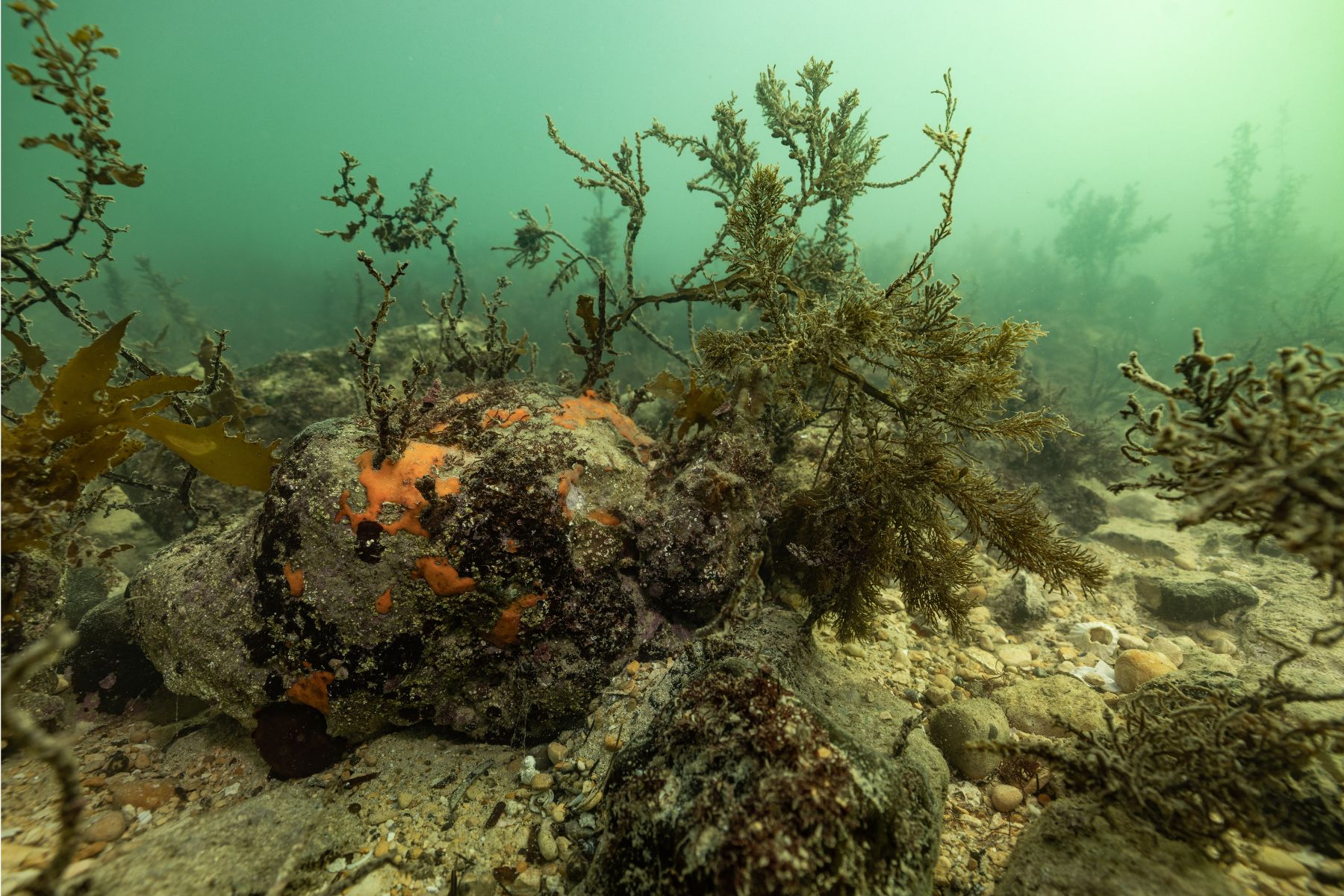

A large-scale spread of harmful blue-green algae in several areas of Australia has become a major environmental crisis, leading authorities to declare it a natural disaster. The extent of the outbreak has impacted significant portions of waterways in various regions, causing severe effects on local populations, farming, and ecosystems.
Authorities have reported that the spread of cyanobacteria—commonly known as blue-green algae—has reached unprecedented levels, coating river systems and reservoirs in thick, green scum. This outbreak, described by regional leaders as one of the worst in recent memory, has led to widespread water quality warnings, closures of recreational areas, and growing concern among farmers who rely on these water sources for irrigation and livestock.
The extent of the contamination has forced state governments to step in with emergency measures. Declaring the situation a natural disaster allows for greater mobilization of resources, including federal support and financial relief for affected residents and industries. Leaders argue that this status reflects not only the severity of the algae bloom itself, but also the complex interplay of environmental and climatic factors that have intensified the crisis.
Experts point to a combination of high temperatures, prolonged dry conditions, nutrient-rich runoff, and low water flows as key contributors to the bloom’s rapid growth. These conditions create an ideal environment for algae to thrive, particularly in stagnant or slow-moving bodies of water. Once established, these blooms can be incredibly persistent, lasting for weeks or even months, especially when weather patterns continue to favor their survival.
Las comunidades ubicadas cerca de corrientes de agua gravemente afectadas han mostrado preocupación por los riesgos para la salud y el medio ambiente que presentan las algas tóxicas. Las algas azul-verdosas generan toxinas dañinas capaces de provocar irritación en la piel, problemas gastrointestinales y, en casos graves, daños al hígado o neurológicos en humanos y animales. Se ha aconsejado a los residentes evitar el contacto con el agua, y se ha advertido a los dueños de mascotas del peligro de permitir que sus animales beban o naden en zonas contaminadas.
The effect on farming is also considerable. Numerous farms in the impacted areas rely on surface water for both watering crops and providing water for animals. Now that access is limited or considered hazardous, certain agricultural activities are experiencing disruptions, lower production, and economic pressure. In some instances, farmers have been forced to resort to expensive alternative water sources, such as transporting supplies by truck or digging deeper wells.
Wildlife is equally vulnerable. Aquatic species such as fish, amphibians, and birds suffer when oxygen levels in water bodies drop—a common consequence of intense algae growth. Reports of fish kills have already surfaced in some locations, raising concerns about long-term ecological damage. In areas where biodiversity is already fragile, this event threatens to set back conservation efforts and disrupt delicate natural balances.
Government representatives have recognized the necessity for a comprehensive and ongoing reaction. Initiatives for emergency clean-up are in progress, involving efforts to oxygenate impacted waterways and apply solutions that may aid in controlling or diminishing algae levels. Nonetheless, specialists caution that these measures provide only short-term relief unless larger problems are tackled.
At the center of the debate is the role of land use and water management practices in contributing to nutrient pollution—specifically nitrogen and phosphorus runoff from fertilizers, waste, and soil erosion. These nutrients act as fuel for algae growth, and their accumulation in waterways has been identified as a major factor behind the intensification of blooms.
Climate change is also amplifying the threat. Rising temperatures and shifting rainfall patterns are creating more favorable conditions for algae blooms to occur and persist. Droughts reduce water flow and increase stagnation, while heavy rains following dry spells often wash large amounts of nutrients into rivers and lakes. These changing patterns mean that events like the current bloom could become more frequent and severe unless action is taken to address the underlying drivers.
Health departments are closely observing the circumstances, delivering updates and advice to people in impacted areas. Water assessments continue, with officials focusing on safeguarding drinking water resources and leisure areas. In certain locations, substitute water provisions have been organized, specifically for at-risk groups and facilities like schools and medical centers.
La crisis ha generado nuevos llamados a reformar las políticas nacionales para fortalecer la resiliencia de las vías fluviales. Defensores del medio ambiente están pidiendo regulaciones más estrictas sobre los desechos agrícolas, inversiones en zonas de amortiguación ribereñas y una mejor gestión de aguas residuales. Sostienen que sin cambios integrales en las políticas, las respuestas de emergencia a corto plazo solo proporcionarán una protección limitada contra amenazas recurrentes.
Local governments, meanwhile, are focusing on community outreach and education, aiming to help residents understand how everyday actions—from garden fertilizing to water conservation—can contribute to or mitigate environmental stress. Some municipalities have launched public awareness campaigns, emphasizing the shared responsibility of protecting natural resources.
Although the existing bloom might diminish as temperatures drop or with the advent of rain, the overarching effects are expected to persist. This occurrence emphasizes the susceptibility of Australia’s freshwater ecosystems to environmental stresses and the pressing necessity for a forward-thinking, sustained plan to protect water quality. It also stresses the significance of incorporating scientific research into policymaking, especially as societies adjust to an evolving climate.
As emergency crews and environmental agencies continue their work on the ground, there is hope that the crisis will prompt meaningful reforms. For now, though, large swaths of Australia remain under the shadow of a toxic bloom, with the well-being of ecosystems, communities, and future water security hanging in the balance.