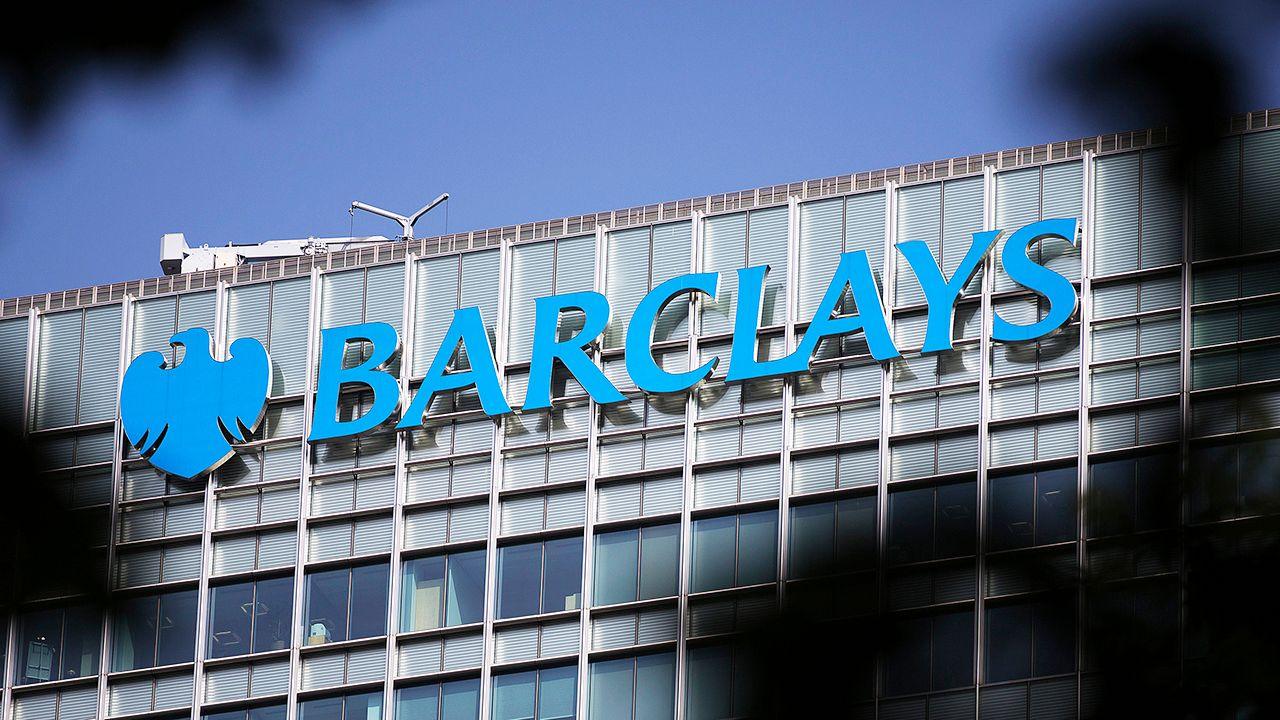

Barclays received a hefty financial penalty due to inadequacies in handling its exposure to risks associated with financial crime. Regulatory agencies found that flaws in the bank’s systems and monitoring led to sustained shortcomings in its processes for detecting, observing, and addressing possible criminal acts within its business dealings. The imposed fine highlights the mounting pressure on financial institutions to enhance their internal controls as part of a worldwide effort to combat illegal financial movements.
The fine, amounting to several million pounds, was imposed by the UK’s Financial Conduct Authority (FCA) and signifies what the authority termed as “significant and long-standing” deficiencies in the bank’s anti-money laundering (AML) systems. Specifically, the FCA highlighted Barclays’ management of high-risk clients and its lack of adequate assessment of transactions and customer profiles that warranted increased due diligence.
These shortcomings, authorities noted, introduced weaknesses that might have been taken advantage of for illegal money activities or other types of financial misconduct. While there is no public accusation that certain unlawful deals occurred due to these flaws, having these deficiencies was considered to present a significant risk—particularly for an organization of Barclays’ size and impact.
The conclusions of the FCA stem from a lengthy examination of adherence to regulations in the bank’s investment and corporate banking sections. Inspectors noted instances where customers identified as possibly high-risk did not undergo the scrutiny mandated by UK legislation. In certain situations, thorough evaluations were postponed or applied haphazardly, prompting worries regarding the bank’s capability to fulfill its responsibilities under the UK’s Proceeds of Crime Act and the Money Laundering Regulations.
A representative from the FCA mentioned that although Barclays collaborated entirely during the inquiry, the magnitude and length of the detected shortcomings warranted a substantial financial penalty. They highlighted that the fine aims not only to ensure accountability for the bank but also to deliver a strong warning to the broader financial services sector about the vital role of proactive risk management and adherence to regulations.
Barclays has reacted by recognizing the results and pledging to keep investing in its compliance infrastructure. In a statement, the bank highlighted its efforts in recent years to revamp internal processes, improve employee training, and implement new technologies to better detect and prevent financial crime. Additionally, the bank noted leadership and governance changes as part of a wider plan to regain regulatory confidence.
Although reassurances have been provided, some critics contend that the fine highlights more profound, systemic issues within major financial organizations regarding the fight against financial crime. As international banking systems turn more intricate and digital transactions frequently transcend borders instantly, the threat of unlawful finance expands—and so does the necessity for advanced monitoring systems that are capable of matching the pace of new dangers.
The situation with Barclays is not unique. Over the last ten years, many international banks have encountered comparable sanctions due to shortcomings in compliance concerning money laundering, violations of sanctions, and other forms of misconduct. Authorities in the UK, EU, and US have jointly levied billions in penalties, indicating a unified initiative to enforce stricter accountability standards for financial institutions.
What stands out about this situation is the FCA’s focus on failures in leadership, rather than just technical errors. The regulatory body highlighted that Barclays had plenty of resources and knowledge, implying they should have been better equipped to avoid these problems. This emphasis on leadership accountability indicates a change in approach, hinting that regulators might increasingly hold top executives liable for organizational compliance failures.
Barclays’ fine has also sparked discussions regarding the efficiency of self-regulation in the banking industry. Although many leading banks have internal audit teams and compliance departments in place, these initiatives occasionally fail to identify or address systemic issues. Some specialists have suggested stricter external controls, such as third-party audits and real-time monitoring tools, to support internal measures.
The fine also has broader implications for investor confidence and market perception. Although the penalty is unlikely to pose a material threat to Barclays’ financial health—given its size and profitability—it can still influence shareholder sentiment and reputational standing. In today’s financial landscape, a bank’s ability to manage risk is closely tied to its brand, and even isolated compliance failures can erode public trust.
From a regulatory standpoint, the Barclays case underscores the UK’s commitment to upholding high standards in financial oversight, particularly in a post-Brexit environment where London is working to retain its position as a global financial hub. Demonstrating that large institutions will face consequences for failing to meet regulatory expectations sends a strong signal to both domestic and international markets.
Looking ahead, Barclays has committed to further advancing its risk frameworks. This includes implementing tools for artificial intelligence and machine learning to identify questionable actions. Additionally, the bank is dedicating resources to grow its compliance teams and perform consistent audits to make sure previously discovered gaps are managed and new risks are quickly pinpointed.
For industry observers, the case offers several key takeaways. First, financial crime risk management is no longer a back-office function—it is a strategic priority that requires board-level attention. Second, regulators are increasingly focused on culture and leadership, not just process failures. And third, technology alone cannot fix systemic issues unless accompanied by a culture of transparency, accountability, and continuous improvement.
Barclays’ substantial monetary penalty highlights the importance of strong measures against financial crimes in today’s banking landscape. With challenges becoming more complex and authorities intensifying their oversight, financial firms must rapidly adjust—not just to evade fines, but to safeguard their reputations, clients, and the overall integrity of the financial system.

.jpg "How to Set Up an Offshore Company in Panama")
.jpg "Panama Pensionado Visa Requirements 2026")