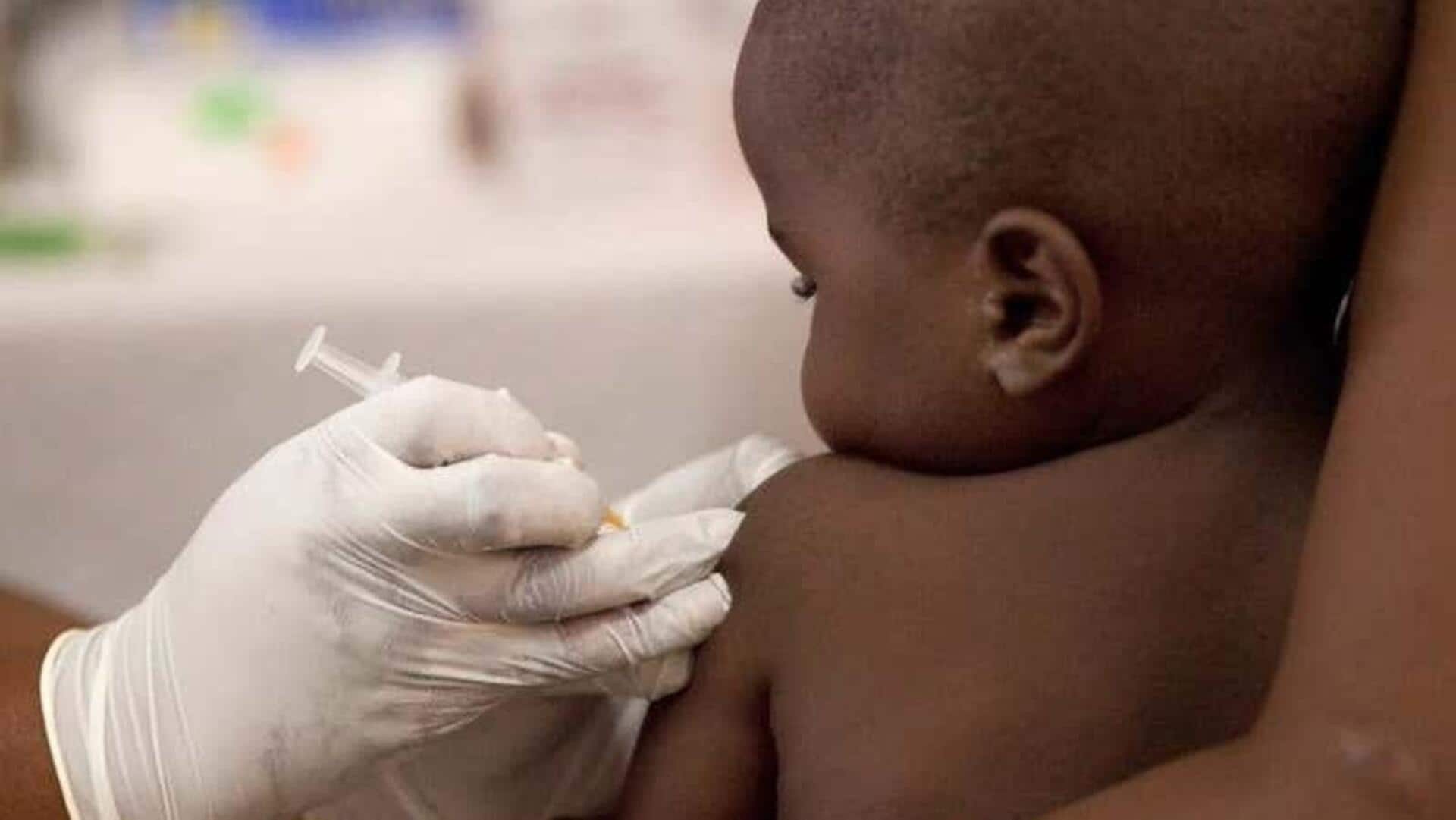

In a major advancement for worldwide health, an innovative therapy for malaria has been formally authorized for infant use, providing renewed optimism in the battle against one of the planet’s most lethal illnesses. This achievement represents the initial instance of a malaria remedy specifically created for infants gaining regulatory approval, paving the way for enhanced prevention and control of the illness in one of its most at-risk groups.
Malaria, an illness that can be fatal due to parasites spread by bites from infected mosquitoes, still results in a significant number of deaths annually, primarily in sub-Saharan Africa. Young children under five years old are especially vulnerable, making up a large share of fatalities related to malaria. So far, treatment alternatives for infants have been scarce, frequently depending on modified therapies designed for older children or adults. The advent of a dedicated treatment designed specifically for infants signifies a significant advancement in filling this void.
The newly approved therapy offers a carefully calibrated dosage and formulation that is safe and effective for infants, taking into consideration the unique physiological needs and sensitivities of babies. This approval follows years of clinical research and trials aimed at ensuring both the safety and efficacy of the medication when administered to children under 12 months of age. The positive outcome of these studies has paved the way for health authorities to give the green light for its use.
The battle against malaria has substantially advanced over the last twenty years, as global efforts, the broad adoption of insecticide-treated bed nets, and the enhanced availability of rapid diagnostic tests have all helped decrease infection rates in various areas. Nevertheless, malaria continues to be a constant danger, especially in low-income nations where healthcare infrastructure might be inadequate. The implementation of a treatment designed for infants provides an essential addition to the current tools, with the potential to save numerous young lives annually.
One of the key challenges in treating malaria in infants lies in the unique vulnerabilities of this age group. Babies have immature immune systems and metabolize medications differently than older children or adults, making it essential to develop treatments that are both gentle and effective. Standard antimalarial medications, while effective for older populations, carry risks when used in very young children without proper dosage adjustments. The newly approved treatment addresses this issue by providing a formulation that delivers the correct therapeutic effect without undue risk.
Public health experts have welcomed this development, noting that expanding access to effective treatments for all age groups is essential to achieving global malaria elimination goals. The World Health Organization (WHO) has long emphasized the importance of focusing on the most at-risk populations, including young children, who are disproportionately affected by severe cases of malaria. By targeting this vulnerable group with an appropriate treatment, the overall burden of the disease can be reduced, and more lives can be saved.
The significance of this approval extends beyond immediate health benefits. Malaria is not only a major public health concern but also an economic challenge for affected countries. The disease contributes to lost productivity, increased healthcare costs, and economic instability in regions where outbreaks are frequent. By ensuring that the youngest members of society are protected through effective treatment, the long-term economic impact of the disease can also be mitigated.
The new medication has been developed through collaborative efforts between global health organizations, pharmaceutical researchers, and funding partners committed to eradicating malaria. This collaborative model underscores the importance of international cooperation in addressing complex health challenges. Financial support from governments, non-profits, and private sector partners has been instrumental in bringing this innovation to fruition.
In addition to treatment, malaria prevention remains a cornerstone of public health strategies. The use of mosquito nets, indoor spraying, and community education continues to play a crucial role in reducing the incidence of malaria. The introduction of an effective treatment for infants complements these preventive measures, ensuring that when infections do occur, they can be addressed swiftly and safely.
The approval of this infant-specific treatment also highlights the importance of including children in the development of new medications. Historically, clinical research has often focused primarily on adult populations, with pediatric considerations added later. However, this approach can leave significant gaps in care for children, particularly in regions where diseases like malaria are endemic. By placing a stronger emphasis on pediatric needs from the outset, the global health community can ensure that children are not left behind in the quest for better treatments.
As the newly approved treatment becomes available, efforts will need to focus on distribution, affordability, and accessibility. Ensuring that healthcare providers in remote or underserved regions have access to the medication, along with proper training on its use, will be essential to maximizing its life-saving potential. Health authorities, non-governmental organizations, and governments will play critical roles in rolling out the treatment in a way that reaches those most in need.
The challenge of drug resistance remains a significant concern in the persistent battle against malaria. Over time, resistance to certain antimalarial medications has arisen in different regions worldwide, endangering advancements. Ongoing investment in research and observation will be essential to track the success of current therapies and to create new ones as required. The authorization of this new pediatric remedy signifies not just a medical success but also a continuing dedication to outpacing the disease through innovation and alertness.
Community engagement and education will likewise be vital in the successful adoption of this new treatment. In many malaria-affected regions, healthcare decisions are influenced by local beliefs, traditions, and access to information. Raising awareness about the importance of early diagnosis and timely treatment for infants will help ensure that the new medication is used effectively and appropriately.
As the global health issue of malaria continues to develop, the authorization of a specialized treatment for infants signifies a promising advancement. It reveals that focused efforts can truly impact, particularly when they address the particular requirements of at-risk groups. Although significant efforts are still required to completely eradicate malaria, this accomplishment advances the world closer to achieving that aim.
The outlook for combating malaria is expected to integrate a variety of methods, such as ongoing vaccine application, the introduction of novel drugs, and improved vector management strategies. These components are integral to a holistic plan to eliminate the illness. Introducing a secure and efficient treatment for infants bolsters this diversified strategy and highlights the achievements possible through persistent dedication, creativity, and worldwide partnership.
The approval of the first malaria treatment specifically for babies is a momentous step in global health, offering new hope to families and communities affected by the disease. It signals progress not only in medical science but also in the collective will to protect the most vulnerable members of society from preventable illnesses. As this new treatment reaches the hands of healthcare providers around the world, it has the potential to save countless lives and to move the world closer to a future free from the burden of malaria.