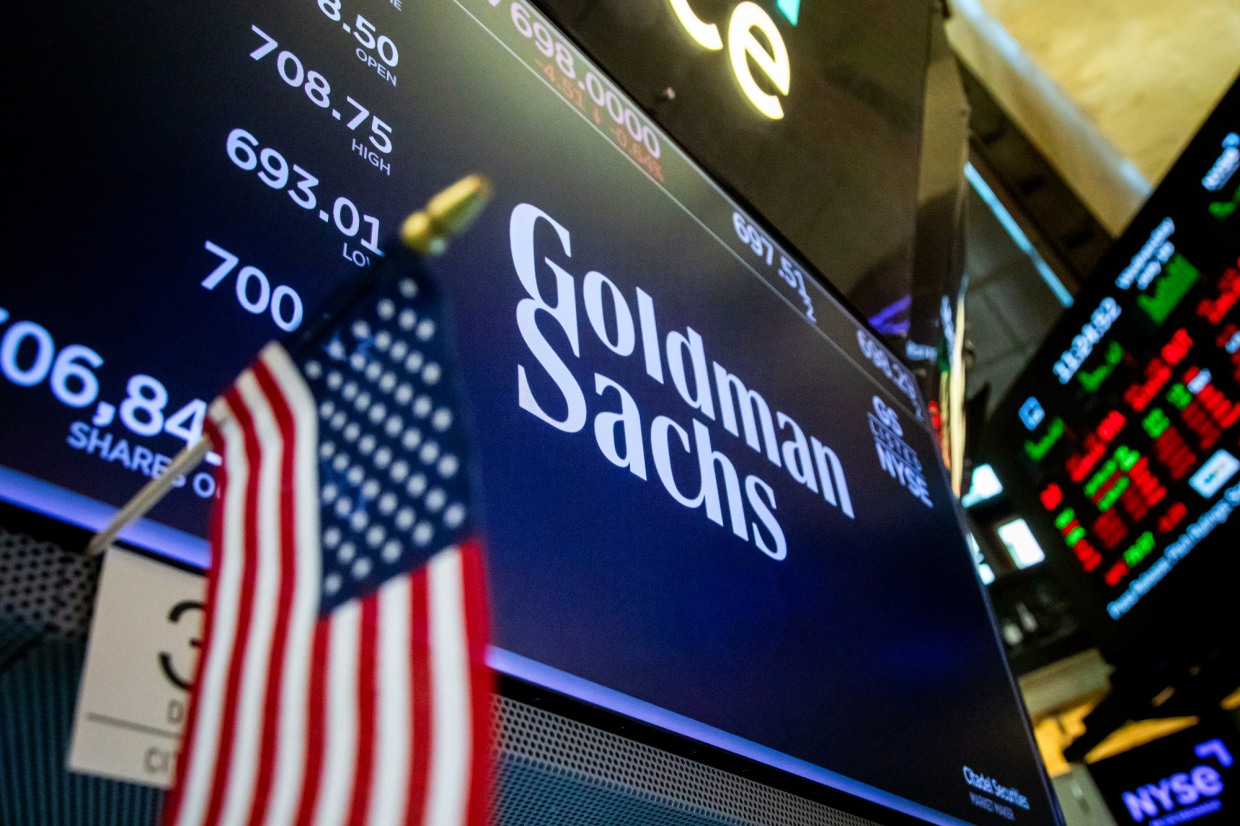

In a notable shift from its previously steady tone, Goldman Sachs has begun to express growing caution about the direction of the global economy. The influential investment bank, known for its insights into financial markets and macroeconomic trends, is now flagging several emerging risks that could hinder growth and reshape investor expectations in the months ahead.
Although the global economy has demonstrated strength in the past few years, especially in bouncing back from the effects of the COVID-19 pandemic and challenges in supply chains, experts at Goldman Sachs are putting more emphasis on signals indicating a potential slowdown. These worries emerge as central banks, such as the U.S. Federal Reserve, navigate the intricate task of managing inflation while maintaining growth.
One of the primary issues Goldman Sachs is monitoring is the persistence of inflationary pressures, especially in core categories like housing, energy, and services. Despite aggressive interest rate hikes over the past two years, prices in many sectors remain elevated. This dynamic complicates the policy decisions of central banks, which now face the challenge of curbing inflation without triggering a recession.
Goldman Sachs has also pointed to weakening consumer confidence and a potential slowdown in spending as areas of concern. While labor markets have remained relatively strong, wage growth has not kept pace with the cost of living in many regions, putting pressure on household budgets. In the U.S., for example, rising credit card debt and declining savings rates are signs that consumers may be struggling to maintain current levels of expenditure.
In addition to domestic factors, global uncertainties are contributing to Goldman’s more cautious stance. Geopolitical tensions, particularly in Eastern Europe and East Asia, continue to create instability in energy and commodity markets. The conflict in Ukraine, along with ongoing frictions between China and Western economies, have made global supply chains more vulnerable and less predictable.
China’s inconsistent economic revival has also caused concern for global markets. Following the removal of stringent pandemic controls, there was a widespread expectation for China to bounce back quickly. Nonetheless, progress has been hindered by reduced property investment, significant youth joblessness, and lower-than-expected consumer demand. Being the second-largest economy worldwide, China is essential in international supply chains and demand cycles, suggesting its slow progress could hinder global growth.
Analysts at Goldman Sachs have additionally observed that corporate profits might face constraints in the next few quarters. With borrowing expenses staying elevated and fluctuations in input costs, profit margins for numerous firms, particularly those with significant debt or extensive exposure to international markets, might experience strain. This situation could result in decreased business investments, hiring deceleration, or even measures to reduce costs ahead of a potentially tougher climate.
Another area under scrutiny is the health of the banking sector. While major financial institutions remain well-capitalized, regional and mid-sized banks in the U.S. and Europe are facing increasing scrutiny over balance sheet vulnerabilities, particularly in relation to commercial real estate and leveraged loans. These risks, while not systemic at this stage, could add stress to an already cautious lending environment, tightening access to credit for businesses and consumers alike.
Considering these changing risks, Goldman Sachs has revised certain economic predictions. Although the bank is not presently anticipating a major worldwide decline, its recent forecasts suggest slower expansion in significant markets and a greater chance of stagnation or a mild recession, especially in developed countries. Both investors and policymakers are being encouraged to stay alert and be ready for heightened market volatility.
The investment bank is also calling for a more nuanced approach to monetary policy going forward. Rather than focusing solely on interest rates, Goldman suggests that central banks may need to consider other tools to support financial stability and long-term growth. This could include targeted liquidity programs, regulatory adjustments, and fiscal measures to stimulate specific sectors of the economy.
From an investment strategy standpoint, Goldman Sachs is advocating for a cautious but diversified portfolio. It has highlighted the importance of maintaining exposure to high-quality bonds, defensive equities, and sectors with pricing power or structural growth drivers. In particular, industries tied to infrastructure, healthcare, and clean energy are being viewed as more resilient in the face of economic headwinds.
While the outlook remains uncertain, Goldman Sachs emphasizes that the current economic environment is not without opportunities. Volatility often presents entry points for long-term investors, and a well-calibrated approach can still deliver returns even in challenging conditions. However, the key message from the bank is clear: the risks are rising, and the era of easy growth may be behind us—for now.
As financial markets process these indications, the focus will be on forthcoming data announcements, meetings of central banks, and corporate profit statements for additional insights. Currently, the change in perspective by Goldman Sachs highlights that even the most experienced organizations are closely monitoring the looming challenges on the economic landscape.