
As Japan nears its elections for the national upper house, a fresh issue has surfaced prominently in political discussions: the involvement and status of non-Japanese nationals within Japanese society. Traditionally known for its conservative views on immigration, this topic is now under intense examination and political debate. Prime Minister Shigeru Ishiba has unveiled a government group designed to manage the intricate relationship between Japan’s citizens and its expanding foreign community.
The move arrives at a pivotal time when the country is grappling with the dual pressures of an aging society and a shifting public mood, increasingly influenced by anxieties over tourism, labor market changes, and cultural integration. While Japan has actively pursued foreign visitors and workers to bolster its economy and counter demographic decline, a surge in complaints and public unease is prompting a reevaluation of how the country manages its international engagement.
A state project launched at an opportune moment
The newly introduced program, which is formally named the Office for Fostering a Society of Harmonious Coexistence with Foreign Nationals, was revealed only a few days before the electorate goes to vote. This schedule is intentional. As populist views are becoming more influential and marginal parties are emphasizing immigration in their campaigns, the authorities seem to be addressing the increasing public conversation focused on national identity and economic pressure.
Prime Minister Ishiba described the office as a key point for managing policies that affect both residents and international individuals. While still developing, the task force is anticipated to supervise areas like immigration processes, property acquisitions by foreigners, and issues related to unpaid taxes or social insurance payments. The government has also considered implementing stricter regulations on medical debt, indicating that those with substantial healthcare liabilities might face visa denials or reentry restrictions.
This program is a segment of a larger strategy to tackle what the administration refers to as the “misuse” of government resources by certain foreign individuals. Nevertheless, specifics regarding implementation are unclear, prompting speculation about the potential impact on Japan’s global relations and its attractiveness as a location for both talented professionals and visitors.
Surge in tourism and cultural tension
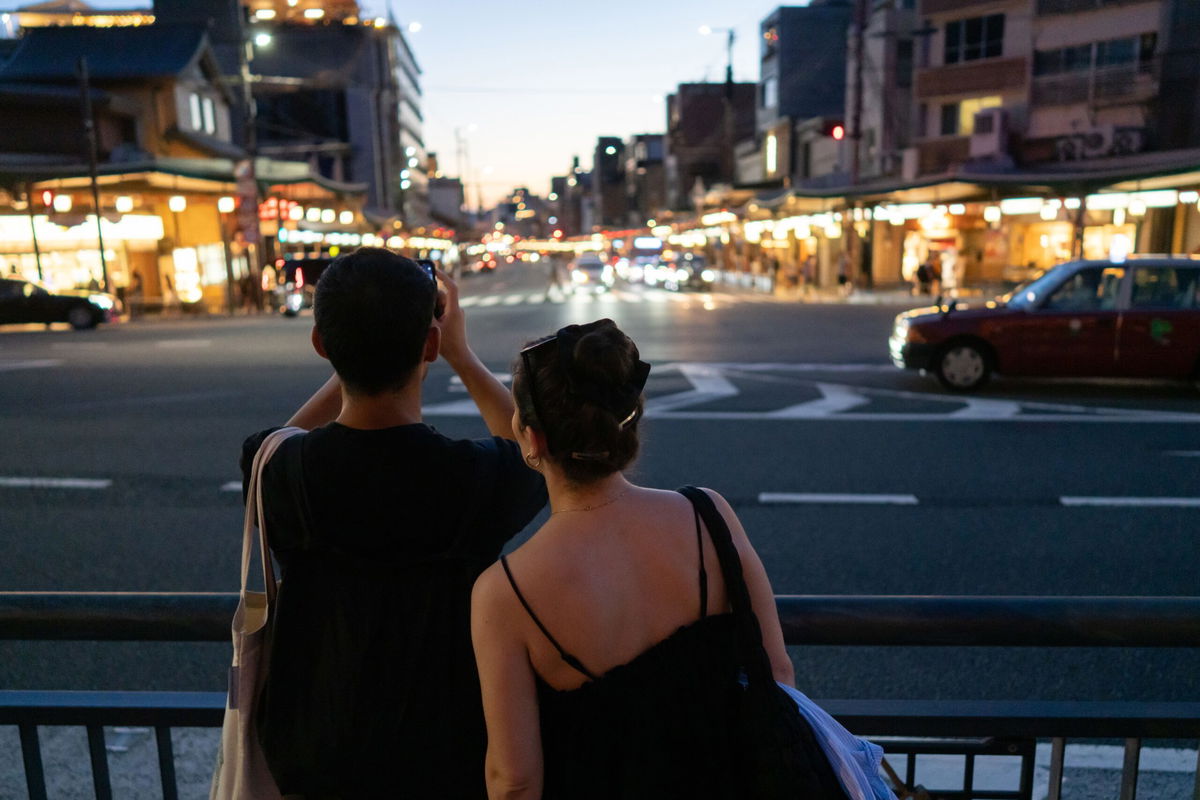
Although foreigners constitute merely about 3% of Japan’s 120 million inhabitants, the noticeable presence of international visitors and employees has increased considerably in recent times. Over the past ten years, the number of foreign residents rose from 2.2 million to almost 3.8 million. The surge in tourism following the pandemic has heightened this perception. In just the first half of 2025, more than 21 million tourists traveled to the country, establishing a new milestone.
The increase in visitors has caused noticeable friction in some areas, especially in regions with a lot of tourists. Locals frequently voice concerns about overcrowding, inconsiderate actions, and stress on community resources. In certain locations, officials have even set up physical barriers to prevent access to popular photo locations, like the debated screen installed to cover views of Mount Fuji following community protests regarding crowding and waste.
Even in places known for hospitality, such as hot spring towns, growing numbers of visitors have led to public concern about resource depletion and infrastructural wear. Additionally, some citizens point to rising costs for essentials like rice and housing, attributing them—rightly or wrongly—to foreign demand and external economic pressures.
Jobs and public amenities under examination
Another issue emerging ahead of the election is the availability of public services and employment prospects. A number of Japanese residents believe that foreign employees are taking jobs at the expense of local job seekers or receiving an unfair share of social benefits. Despite these assertions frequently being based on personal stories, they are intensifying populist discourse that resonates with voters who feel neglected in a changing economic landscape.
A Tokyo retiree, speaking anonymously, expressed skepticism about the cultural compatibility of foreign workers, stating that differing traditions make coexistence difficult. Meanwhile, younger voices, like that of a 23-year-old office worker, echoed the belief that government support should prioritize citizens over non-nationals.
These opinions, although not necessarily backed by evidence, are gaining traction due to new political players. The Sanseito party, a conservative nationalist organization, has drawn notice with its agenda focusing on Japanese priorities. Even though they may not capture a dominant share, Sanseito has the potential to sway the power dynamics by appealing to disenchanted voters from major parties, such as the governing Liberal Democratic Party (LDP).
Separating perception from reality
In the midst of the growing discussion, specialists warn that a significant portion of the ongoing dialogue is rooted more in perception than in actual realities. As per statistics from the Ministry of Justice, individuals from abroad constituted slightly over 5% of all arrests in 2023—covering both tourists and inhabitants. Moreover, Japan’s general crime rate has consistently dropped over the last twenty years, a pattern that goes against common fears about worsening public security.
Sociologists, including Shunsuke Tanabe from Waseda University, assert that the growing presence of international individuals has resulted in cognitive biases, leading some to erroneously connect demographic shifts with heightened insecurity. He cautions that these beliefs can be easily manipulated during election periods, particularly in the modern era of rapid misinformation dissemination.
Tanabe also notes that social media has amplified divisive narratives, making it easier for parties with anti-immigration platforms to gain traction. The result is a political environment where symbolic gestures—like establishing a new office—may carry more weight than substantive policy solutions.
Political strategies with lasting effects
The stakes for Prime Minister Ishiba and the LDP are high. After losing their majority in the lower house last year, another poor showing in the upper house vote could intensify internal pressure on Ishiba to resign. With Sanseito projected to secure several seats, every measure to retain public confidence becomes crucial.
Some political analysts believe the creation of the new task force is a strategic effort to seem attentive to voter issues while avoiding significant changes to the country’s immigration system. Jeffrey Hall, a lecturer specializing in Japanese studies at Kanda University, characterized the initiative as a strategic method to “express authority” on a delicate subject. Nevertheless, he cautioned that excessively strict monitoring or limitations on foreign nationals might have adverse economic repercussions.
“If Japan fosters a setting where overseas employees sense they are not welcome or are being treated unjustly, it may jeopardize its efforts to achieve its workforce objectives,” Hall stated. “In a nation experiencing a decline in its working-age demographic, acquiring global skills is not a choice—it is crucial.”
A demographic reality that can’t be ignored
Japan continues to grapple with a major challenge: its demographic decline. In 2024, the birth rate in the nation fell to an unprecedented low of 1.15, significantly below the 2.1 level required to sustain a stable population without relying on immigration. With one of the world’s longest life expectancies, the country faces an aging population that increasingly depends on the younger workforce, a substantial portion of which must be sourced from overseas.
To tackle worker shortages, Japan has been broadening its visa initiatives, specifically targeting “specialized skilled workers” in sectors such as healthcare, construction, hospitality, and aviation. By October 2024, the foreign workforce reached a record 2.3 million, highlighting continuous attempts to occupy critical positions that cannot be fulfilled by Japanese employees alone.
Ishiba acknowledged this reality during the announcement of the new task force, stressing that Japan must remain open to global talent and tourism to secure long-term growth. “To navigate the challenges posed by a declining birthrate and an aging society, we must integrate the energy of the global community,” he said.
Looking ahead
As the election draws closer, the balance between public sentiment and economic necessity will continue to shape Japan’s policies toward foreign nationals. While concerns about cultural integration and resource sharing deserve thoughtful attention, experts emphasize the need for data-driven policy, not reactionary measures driven by populist fear.
Japan stands at a crossroads—caught between its traditions of cultural homogeneity and the imperatives of an interconnected world. Whether the new task force will evolve into a constructive force for integration or simply serve as an election-season symbol remains to be seen. Either way, the decisions made now will have profound implications for Japan’s future as both a global economic power and a multicultural society.