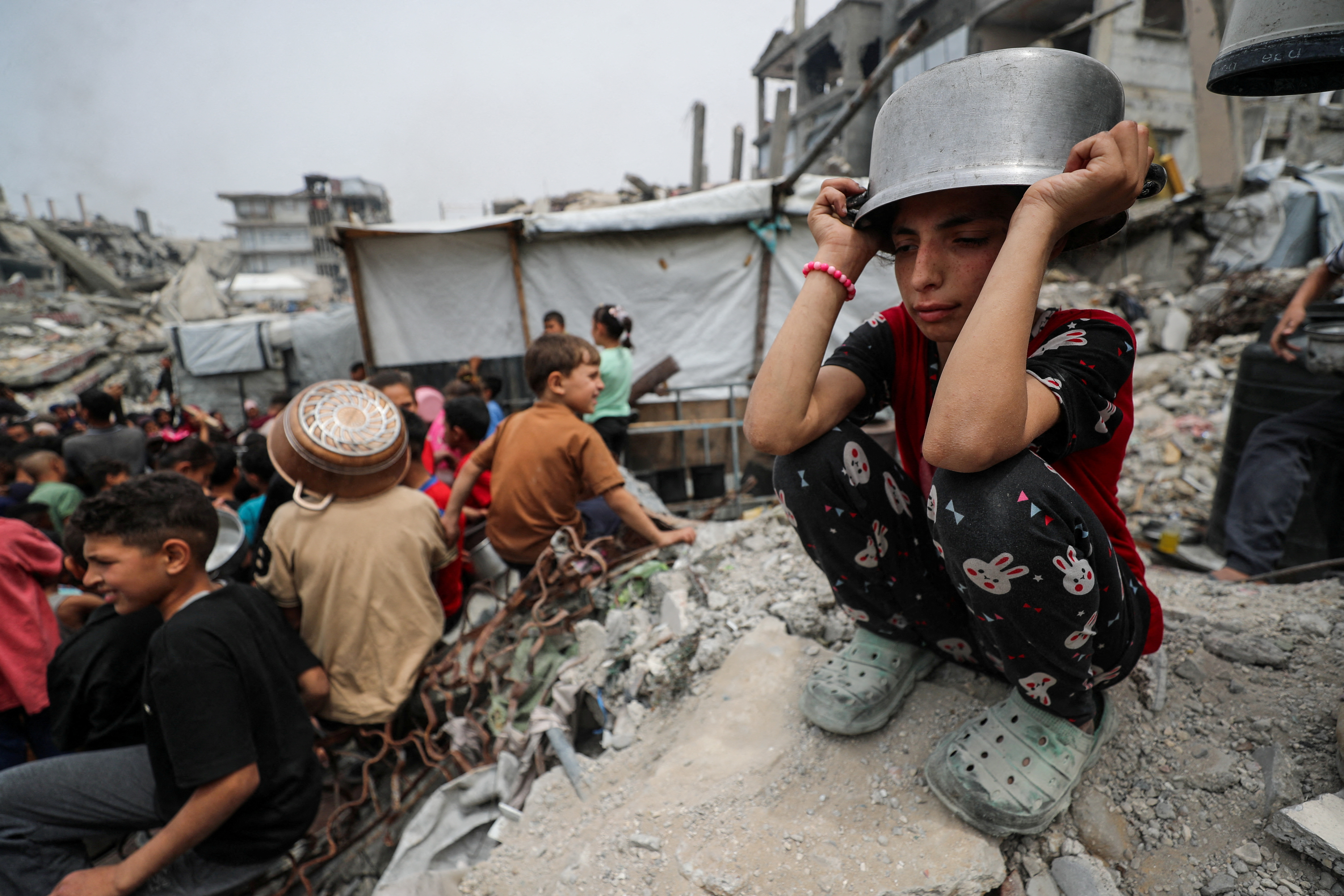

Efforts to reach a ceasefire in Gaza have hit a significant hurdle, with humanitarian aid delivery now at the center of the talks. While negotiators have made progress on other contentious points, the question of how to ensure consistent and secure access to food assistance remains unresolved and is proving to be one of the most complex issues in the ongoing diplomatic efforts.
As the conflict in Gaza drags on, the humanitarian situation continues to deteriorate. With infrastructure damaged or destroyed, supply chains disrupted, and access routes heavily restricted, residents of the region face mounting hardship. Food insecurity has become an urgent concern, exacerbated by a lack of reliable deliveries and the destruction of local food sources. Humanitarian organizations have struggled to reach those most in need, citing both security concerns and bureaucratic obstacles.
At the heart of the current talks is a disagreement over how aid should be distributed, who should manage it, and how to ensure it reaches civilians without being diverted. On one side, there is a push for an internationally monitored aid mechanism, designed to guarantee that assistance flows freely and equitably. On the other side, parties involved in the conflict have expressed concerns over control, transparency, and the potential for aid to be used in ways that support opposing agendas.
Representatives from different global entities have been engaged in formulating agreements for a potential ceasefire, yet every session of talks highlights the significance of the humanitarian aspect. Despite the fact that reducing military tensions is crucial, the emphasis on a solid and reliable assistance strategy signifies the increasing awareness that enduring peace cannot be realized without catering to the urgent requirements of the civilian community.
Diplomatic initiatives have put forward various plans for food distribution, involving neutral middlemen, global supervision, and autonomous monitoring organizations. Nonetheless, achieving agreement has proven challenging. There is significant distrust between the conflicting parties, with each side worried that compromises might be taken advantage of. Additionally, the vast extent of the need complicates logistics—any resolution must consider the thousands of families either displaced or in extreme hardships.
The issue of food aid is also tied to broader strategic and political concerns. For many observers, ensuring that aid reaches Gaza’s residents is not just a matter of logistics but a question of legitimacy. Who is seen as responsible for feeding the population can shift perceptions of authority and control on the ground. This makes discussions over aid not just about relief, but also about influence and governance.
At the same time, individuals enduring the crisis are becoming more and more hopeless. Extended queues for essential goods, lack of potable water, and restricted access to healthcare have escalated daily struggles. In certain regions, the scarcity of food has reached alarming heights, compelling families to subsist on minimal provisions. The global community has expressed increasing concern about the humanitarian impact, yet without a truce ensuring secure and dependable routes for assistance, support operations continue to be irregular and inadequate.
Relief agencies continue to appeal for unhindered access, insisting that aid must be separated from political negotiations. However, in the reality of this conflict, every element—food, fuel, medicine—carries strategic weight. Convoys are frequently delayed or denied entry altogether, often caught in the crossfire of ongoing hostilities or stalled by administrative delays.
In response to the deepening crisis, some countries have increased their pledges of aid, while others have proposed temporary humanitarian pauses in fighting. Yet these pauses have often proven too short or too limited in scope to allow for meaningful distribution. The challenge remains to establish a lasting mechanism that ensures sustained delivery, not just intermittent relief.
Observers indicate that previous disputes in the area have demonstrated the vulnerability of such agreements. In the absence of explicit enforcement and reciprocal trust, aid distributions may become leverage tools or targets. This has led to increased calls for more robust international participation, potentially involving the deployment of humanitarian supervisors or collaborative coordination groups to manage the procedure locally.
The urgency for all parties to come to a consensus is growing. The more prolonged the delay in achieving a ceasefire, the more severe the humanitarian consequences become. Even though halting the violence is an essential initial measure, many contend that it should be paired with an all-encompassing strategy for reconstruction and assistance to the civilian populace, beginning with ensuring food security.
Specialists in humanitarian affairs caution that if the delivery of assistance is not integrated into the ceasefire agreement, any peace established may not last long. Lack of food and essential resources contribute to unrest, and neglecting these fundamental necessities may lead to ongoing conflict. Additionally, the ethical obligation to avert starvation and extensive hardship can no longer be disregarded.
While the talks advance, the focus on food assistance in the dialogues emphasizes the evolving dynamics of contemporary conflict resolution. Ceasefires can no longer concentrate only on weapons and territorial lines; they must also address the humanitarian impacts of war. In Gaza, where hunger is now a constant danger for numerous civilians, the supply of food is not a minor concern—it is crucial to achieving any lasting peace.
How the parties ultimately choose to resolve the aid question could determine not only the success of a ceasefire, but also the long-term prospects for stability in the region. Until then, the people of Gaza remain trapped between diplomatic impasse and a deepening humanitarian emergency—waiting for both food and peace.