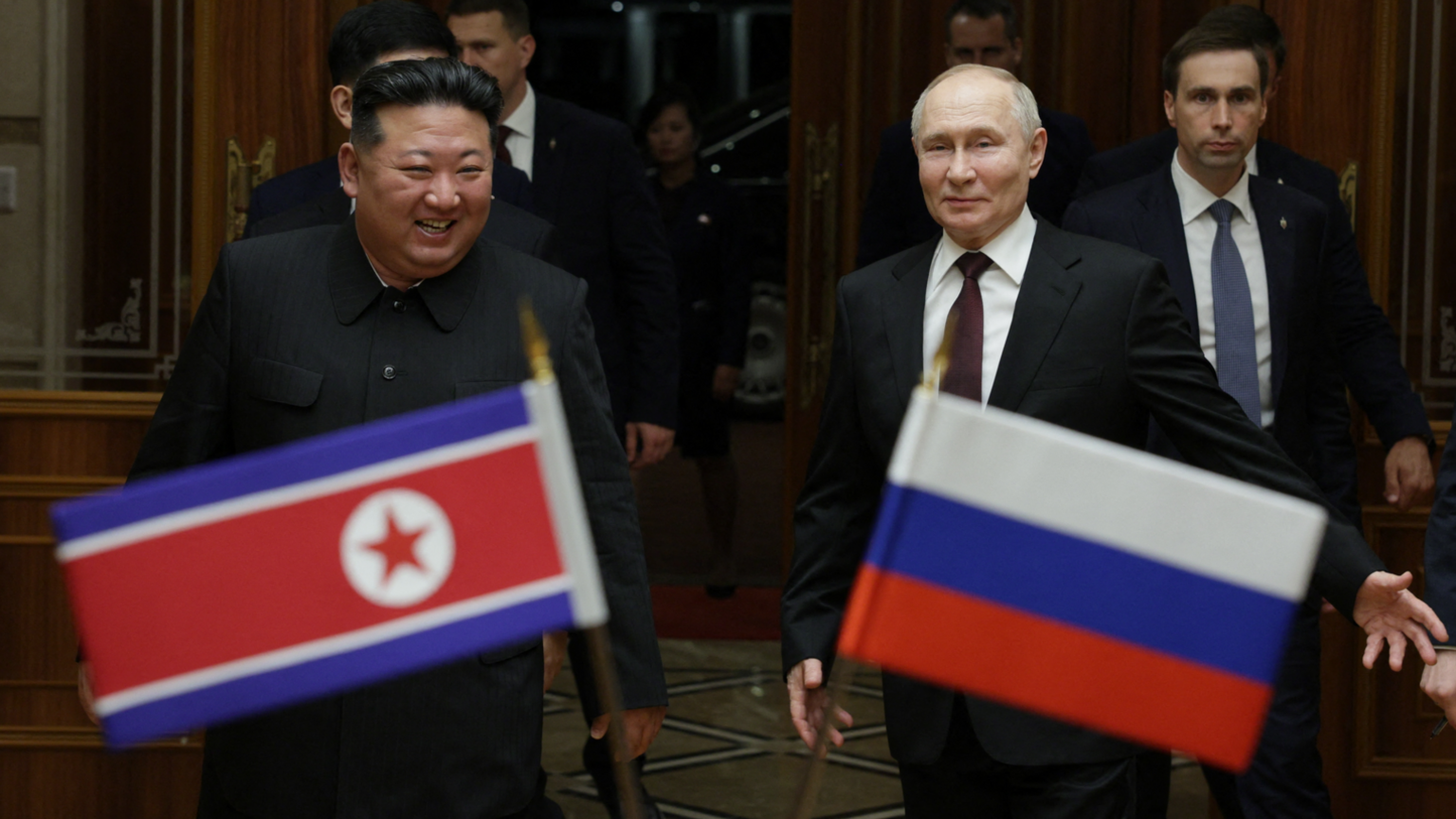

Testimonies from people who have departed from North Korea and are employed in Russia recount a harsh reality of exploitation and coerced work. These narratives illustrate a scenario in which laborers endure exhausting hours, minimal wages, and appalling living conditions. The accounts reveal that a substantial share of their income is confiscated by the North Korean authorities, leaving them with scant resources. This system, operational for numerous years, is purportedly a vital source of foreign funds for the North Korean regime, and it has escalated as Russia experiences a deficit in labor.
The circumstances encountered by these laborers are frequently likened to contemporary slavery. It is said that they are continually monitored by North Korean state security personnel, who stop them from interacting with the world outside or trying to flee. The laborers live in cramped and dirty quarters, like insect-ridden shipping containers or incomplete structures, with very limited leisure time. This strict oversight and absence of liberty render it almost unattainable for them to pursue improved working environments or to get away from their predicament. The scheme aims to optimize the financial gain for the state while disregarding the rights and welfare of the person.
The economic exploitation of these laborers is a crucial part of the structure. Although many are attracted to Russia with the promise of earning more than they would in their home country, the truth is drastically different. It is claimed that workers are compelled to relinquish a large share of their earnings to the North Korean government through “loyalty fees” and additional payments. They frequently receive only a small portion of what workers from other nations earn for similar tasks, and the minimal amount they do get is often provided only upon their return to North Korea. This financial setup guarantees that the primary beneficiary of their work is the state, not the individual worker.
The demand for this labor has reportedly increased due to the ongoing conflict in Ukraine. Russia’s mobilization of its own men for the war has created a significant labor shortage in sectors like construction. This has led to a renewed reliance on North Korean workers, with some estimates suggesting their numbers could increase substantially. This partnership between the two countries, however, is not new. North Korean workers have been a presence in Russia since the Soviet era, primarily working in logging and construction. The current situation, however, appears to be an escalation of a long-standing practice, driven by Russia’s economic needs and North Korea’s continued desire for foreign currency.
International bodies, including the United Nations, have repeatedly condemned the use of North Korean labor abroad. A UN Security Council resolution previously called for the repatriation of all North Korean workers, citing concerns that their wages were being used to fund Pyongyang’s weapons programs. Despite these international sanctions, reports suggest that Russia is continuing to import North Korean labor, sometimes by using student visas to skirt the ban. This ongoing defiance of international law highlights the geopolitical complexities and the difficulty of enforcing sanctions against a partnership that benefits both nations.
The mental effect on the employees is significant. Accounts from individuals who have managed to flee reveal feelings of humiliation and hopelessness. They experience profound unfairness upon discovering the minimal pay they receive compared to other international laborers, and they persistently fear being detained by North Korean security personnel. The system not only physically and financially exploits them but also maintains mental control through ideological indoctrination and the threat of repercussions for their relatives back home. The experiences of those who have escaped strongly highlight the human toll of this system.
The issue of North Korean forced labor in Russia is a complex human rights crisis with deep economic and political roots. It is a system that thrives on the desperation of its workers, the needs of its host country, and the geopolitical alliances that allow it to continue despite international condemnation. The recent reports and testimonies serve as a stark reminder that this practice is not a relic of the past but a current and growing problem that requires urgent international attention. The challenge lies in finding a way to hold the responsible parties accountable and to provide a path to safety for those who are trapped in this system.