
Walking is one of the most accessible forms of physical activity—requiring no special equipment, no gym membership, and very little planning. But while it’s an excellent way to stay active, most people don’t realize how much more they can get out of a simple walk with just a few small adjustments. With the right approach, a daily walk can go beyond basic cardio and become a more comprehensive workout that benefits the entire body.
Essentially, walking enhances heart health, aids joint movement, and boosts mental health. Nevertheless, the pace, length, body alignment, and surroundings during a walk can all impact the level of benefit the body ultimately gains. By being mindful of your walking technique, you can burn more calories, activate additional muscle groups, and elevate stamina, stability, and suppleness.
One method to enhance a walking routine is by adjusting speed and including intervals. Shifting between a quick pace and a slower recovery pace increases heart rate variability and prompts the body to accommodate differing levels of exertion. This shift not only improves cardiovascular health but also engages muscles more thoroughly than maintaining a uniform speed.
Adding hills or inclines—whether outdoors or on a treadmill—can also enhance the workout. Uphill walking activates the glutes, hamstrings, and calves more than flat surfaces do, and it strengthens core stability as the body adjusts to the changing angle. On the descent, the body works eccentrically, engaging muscles differently to control the movement and protect joints.
The movement of the arms is another element that can transform a leisurely stroll into a more vigorous activity. Purposefully swinging the arms, maintaining them at a 90-degree angle, and propelling them from the shoulders enhances engagement of the upper body. This action not only aids in generating momentum but also gradually tones the arms and shoulders. Some individuals who walk even use light hand weights or walking poles to engage the upper body further.
Posture is essential for enhancing the advantages of walking. Upright stance, relaxing the shoulders without slumping, pulling the navel towards the spine, and keeping the head in a neutral position all support improved alignment. Proper posture alleviates joint stress, activates the core, and enhances respiration, resulting in a more effective and less tiring walk.
Strengthening your core can also be enhanced by intentionally engaging it while walking. By occasionally contracting the abdominal muscles, particularly on inclines, you can incorporate an aspect of strength training without halting the walk. Over time, this aids in enhancing posture, bettering balance, and decreasing the likelihood of lower back pain.
Another effective technique is to incorporate bodyweight exercises throughout the walk. Strategic pauses to perform squats, lunges, calf raises, or push-ups on a park bench can transform a 30-minute stroll into a full-body circuit. These movements add resistance training, which supports muscle tone, bone density, and metabolic health.
Even slight modifications in walking routes can affect the physical exertion required during a walk. Opting for trails with irregular landscapes or different surfaces activates stabilizing muscles and enhances proprioception—the body’s awareness of its position in the environment. This style of walking tests coordination and aids in decreasing the risk of falls, particularly for older individuals.
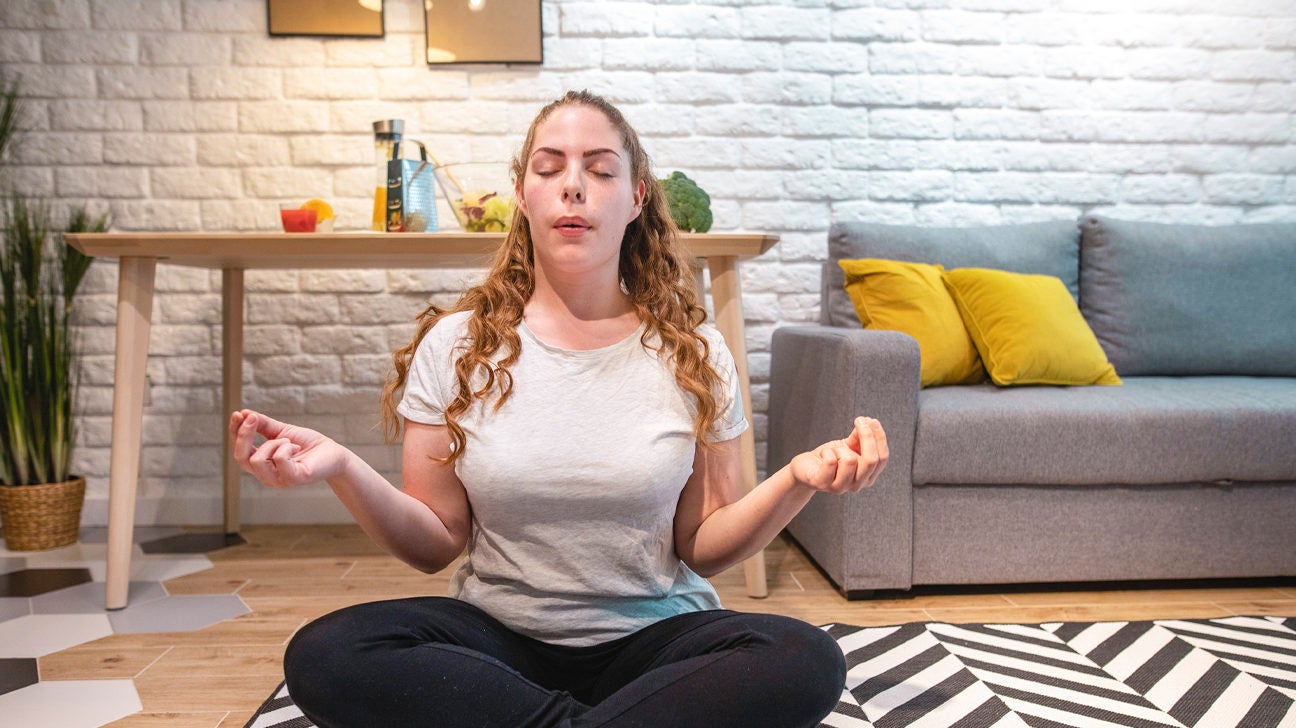
Walking with mindfulness can amplify mental and emotional benefits as well. Paying attention to each step, breath, and sensation creates a meditative rhythm that lowers stress hormones and enhances mood. For those dealing with anxiety, burnout, or emotional fatigue, mindful walking offers a grounding practice that reconnects body and mind.
Si caminar ya es un hábito cotidiano, aumentar el tiempo o la frecuencia puede generar mejoras significativas en la condición física. Aunque 30 minutos diarios son un buen punto de partida, alargar ese tiempo a 45 minutos o una hora, incluso si se hace en segmentos, puede resultar en mejores beneficios cardiovasculares, mayor quema de calorías y un incremento en la resistencia con el tiempo.
Wearing a fitness tracker or using a walking app can provide additional motivation. These tools help monitor progress, set goals, and provide feedback on metrics like step count, distance, pace, and heart rate. Seeing tangible data often encourages people to push a bit further, walk more regularly, or challenge themselves with new routes.
Group walks or walking with a partner can also increase motivation and consistency. Social connection turns walking into a shared experience, making it more enjoyable and less likely to be skipped. Walking with others can also introduce friendly competition, which may inspire improvements in pace and consistency.
For people healing from injuries or handling long-term conditions, walking is usually one of the safest and most advised types of physical activity. Nonetheless, it’s crucial to adjust the walk according to personal requirements. Beginning with brief, gentle walks and slowly boosting duration and intensity enables the body to adjust without excessive strain. Seeking guidance from a physical therapist or healthcare professional ensures that any changes are both effective and safe.
Footwear should not be overlooked. Wearing supportive, well-fitting shoes with adequate cushioning and arch support can prevent injury, reduce joint stress, and enhance walking efficiency. Regularly checking for wear and tear and replacing walking shoes as needed is essential for long-term comfort and safety.
Hydration and nutrition contribute to walking performance as well. Consuming water prior to and following a walk, particularly in hot weather, assists in regulating body temperature and staving off fatigue. Having a balanced meal or snack containing complex carbohydrates and protein before embarking on a long walk can ensure prolonged energy and aid in muscle recovery afterward.
Ultimately, walking is a versatile and sustainable way to stay active. With a few smart strategies, it can evolve from a routine habit into a powerful, full-body fitness practice. Whether you’re walking for general wellness, weight management, stress relief, or cardiovascular health, adding intensity, variety, and intention can make every step more impactful.
Transforming your daily walk doesn’t require dramatic changes—just a bit of awareness, creativity, and consistency. Over time, those enhanced walks contribute not only to better physical fitness but also to greater resilience, energy, and overall well-being.