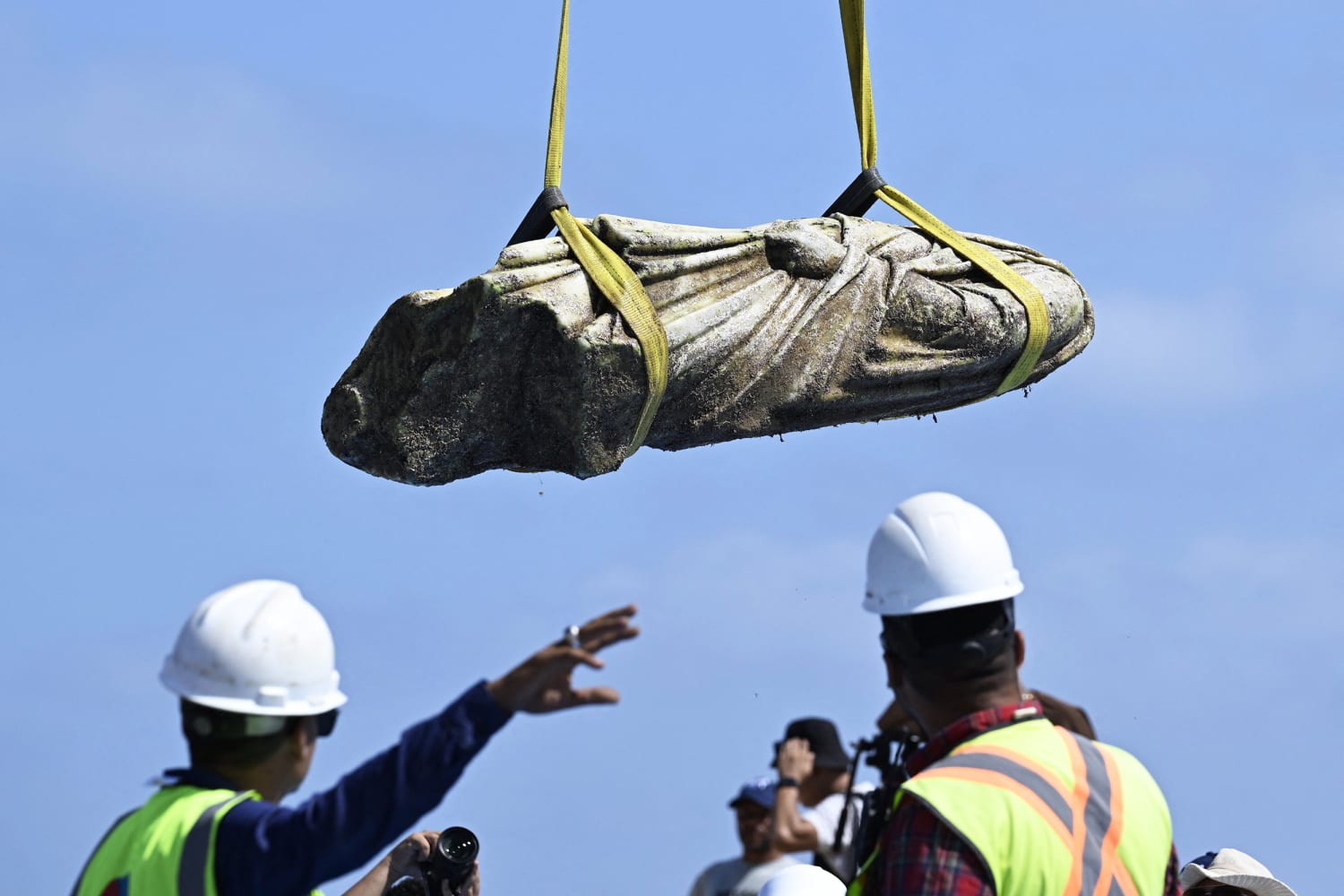

Beneath the waves of a forgotten coastline, an extraordinary chapter of history has resurfaced. Archaeologists have recovered remarkable artifacts from the remains of an ancient city that lay submerged for nearly 2,000 years, preserving stories of a world long lost to time. This discovery not only illuminates the sophistication of early civilizations but also offers a rare glimpse into their cultural and economic life.
The city, believed to have once thrived as a bustling hub of trade and influence, disappeared beneath the sea centuries ago, its structures and relics entombed in silt and silence. For generations, its existence was a matter of legend and speculation, until recent expeditions confirmed its reality. The artifacts retrieved include intricately crafted jewelry, ornate pottery, and objects of ceremonial significance, each piece carrying echoes of the lives that once animated the now-sunken streets.
Marine archaeologists employed advanced technology to locate and extract these treasures. Sonar mapping, remotely operated vehicles, and specialized diving techniques allowed teams to navigate the challenging underwater environment, where shifting sands and currents have both concealed and protected the site for centuries. The meticulous process of recovery underscores the delicate balance between preserving history and respecting the fragile ecosystem that has formed around these ancient ruins.
The intriguing aspect of this finding lies in the understanding it offers regarding the societal and economic dynamics of the city before it was submerged. Specialists suggest that the community significantly influenced regional trading connections, bridging far-off societies via trade and cultural interactions. The artistry present in the retrieved items indicates a civilization with an advanced appreciation for aesthetics and exceptional craftsmanship, traits that clearly demonstrate their technological and artistic accomplishments.
Equally captivating is the enigma surrounding the city’s decline. Although the exact reason is unknown, leading hypotheses suggest natural calamities like earthquakes or disastrous flooding, phenomena that might have significantly changed the landscape and engulfed the city entirely. These disasters, despite being disastrous for its residents, unintentionally preserved their heritage, creating a time capsule now gradually being uncovered.
While scholars persist in examining these results, they aim to piece together the urban design of the city and comprehend its significance within the wider framework of ancient societies. Every item is meticulously preserved and examined, uncovering information that enhances our comprehension of human history and endurance. This project highlights how, despite the passage of millennia, history communicates to those ready to hear—and explore profoundly to find its messages.
The discovery of this sunken city underscores the essential role of underwater archaeology in revealing our collective human history. It emphasizes how coastal communities remain susceptible to nature’s power, a pertinent reminder both now and two thousand years ago. As each find emerges from the seabed, the story of civilizations becomes more complex, showing us that history exists not only on land but also beneath the water, awaiting scientific exploration to unveil its mysteries.