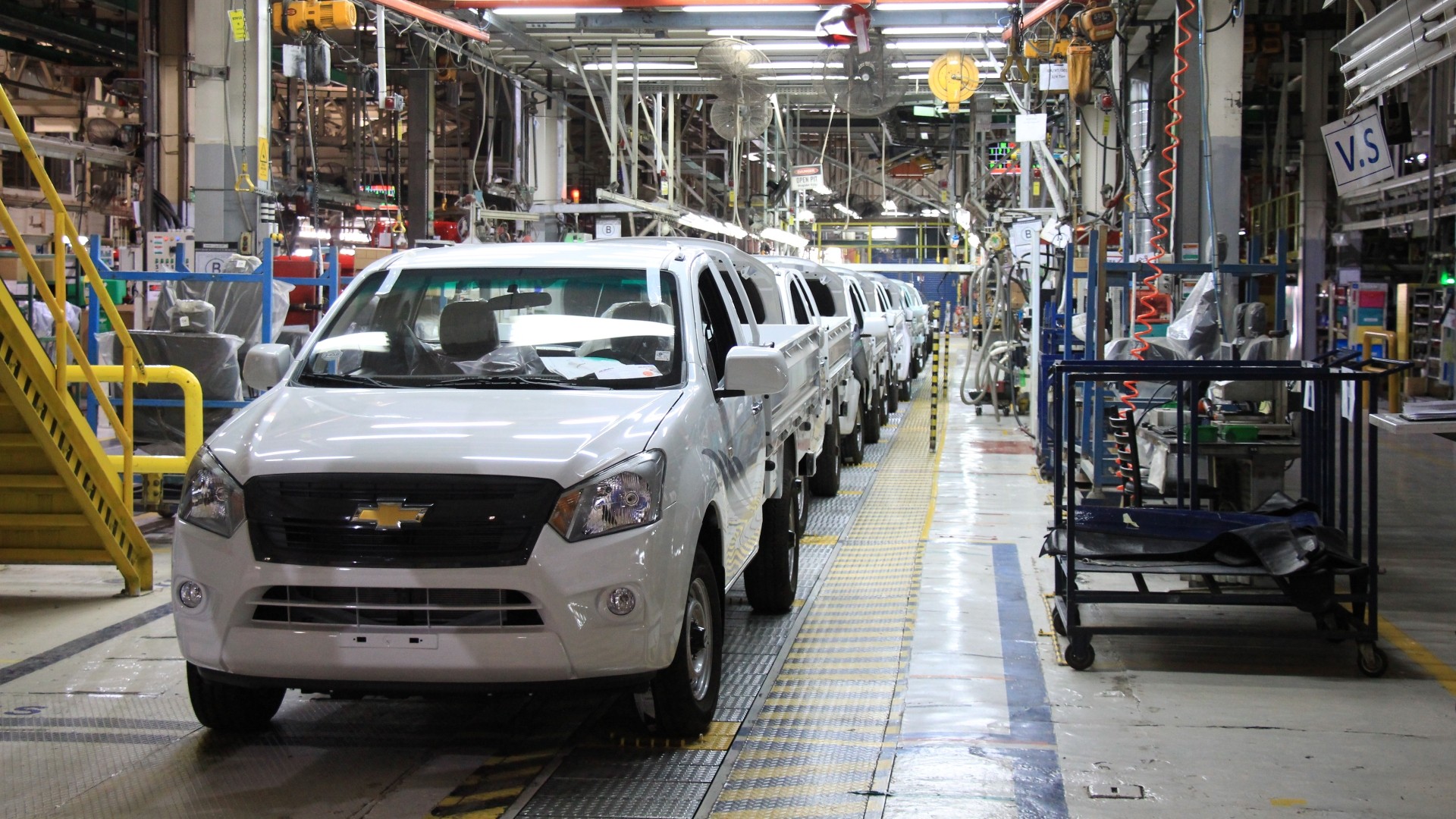

General Motors (GM), one of the most prominent automotive manufacturers in the world, recently reported a noticeable contraction in its profit margins. This downturn was significantly influenced by the financial impact of tariffs, particularly those levied on imported steel and aluminum. With costs surging by over $1.1 billion, the effects are rippling across the company’s operations, altering financial strategies and shaping the company’s path forward.
El informe de ganancias más reciente indica una disminución en las utilidades netas, debido al aumento de los costos de producción y las condiciones inciertas del comercio mundial. Estos eventos resaltan la creciente vulnerabilidad del sector automotriz frente a las tensiones geopolíticas y las políticas económicas proteccionistas. La situación de GM no es un caso aislado, sino que refleja una tendencia más amplia que afecta a varios fabricantes de automóviles globales que enfrentan un entorno económico más complejo.
The tariffs in question were implemented during a period of escalating trade disputes, primarily between the United States and several of its international trade partners. As the U.S. government imposed tariffs on foreign steel and aluminum in an effort to protect domestic industries, companies like GM that rely heavily on imported materials found themselves absorbing much higher input costs. These increases have now become evident in the company’s balance sheets.
Although facing these financial challenges, GM still highlights its dedication to investing strategically in cutting-edge technologies. The company maintains its focus on broadening its range of electric vehicles (EV), self-driving technologies, and other advanced innovations. However, the increased cost pressures have compelled GM to reevaluate certain investments and shift resources to maintain profitability.
One major issue for GM going ahead is the impact of ongoing trade policies on its competitiveness in international markets. The increased cost of materials not only impacts vehicle manufacturing expenses but also affects pricing approaches. GM must now strategically manage the challenge of keeping vehicle prices reasonable while ensuring strong profit margins.
Internally, GM has initiated measures to reduce expenses to lessen the effects of these difficulties. This involves reconsidering supply chain logistics, enhancing production strategies, and making changes in staffing and operations. The automobile manufacturer has emphasized that maintaining financial discipline is crucial to withstand the challenges and sustain support for future development projects.
On the consumer side, purchasers might start to notice the impact as well. Should GM and other producers find it challenging to continuously bear these extra expenses, the costs might be transferred to customers through increased car prices. This situation could potentially decelerate vehicle sales and make recovery efforts more difficult in the economy following the pandemic.
Experts evaluating GM’s results indicate that the scenario serves as a clear indication of the extensive connection between worldwide trade regulations and the financial stability of companies. Car producers function with minimal profit margins and in a very competitive market. Any disturbance—particularly one as substantial as a billion-dollar rise in manufacturing expenses—can impact all facets of the organization.
Beyond the financial figures, GM’s situation also brings into focus the ongoing transformation of the automotive industry. The shift toward electric vehicles, digital integration, and sustainable practices is capital intensive. Unexpected external pressures such as tariffs can delay these transitions or complicate them, especially for companies trying to do both—navigate the present and prepare for the future.
Although GM’s management is hopeful about future expansion, the present economic conditions act as a warning sign. Businesses relying on international supply networks need to implement more robust and adaptable methods for procurement and manufacturing. There might be a greater emphasis on diversifying suppliers and boosting investment in local production in the coming years.
Moreover, the situation may fuel lobbying efforts by automakers and industry associations aimed at influencing trade policy. The objective would be to create a more predictable and less punitive regulatory environment, enabling manufacturers to plan long-term strategies without sudden cost increases that disrupt their financial equilibrium.
In the immediate term, GM will need to continue managing investor expectations. Despite the profit dip, the company’s overall performance remains stable compared to other sectors experiencing greater volatility. Strong vehicle demand, particularly for trucks and SUVs, has helped cushion some of the losses caused by tariff-related expenses.
Looking ahead, GM’s ability to adapt will determine whether this period of financial tightening becomes a temporary setback or a catalyst for smarter, leaner operations. For now, the auto giant’s resolve to push forward, invest in innovation, and stay competitive under challenging conditions will be tested by a dynamic and uncertain global landscape.
GM’s recent profit contraction underscores the broader economic forces at play in today’s interconnected world. With a strong legacy and deep-rooted operational capabilities, the company is well positioned to recover. However, the road ahead will demand careful navigation, agile decision-making, and a proactive stance on emerging global economic challenges.



.jpg "Guide to investing in real estate in Panama")