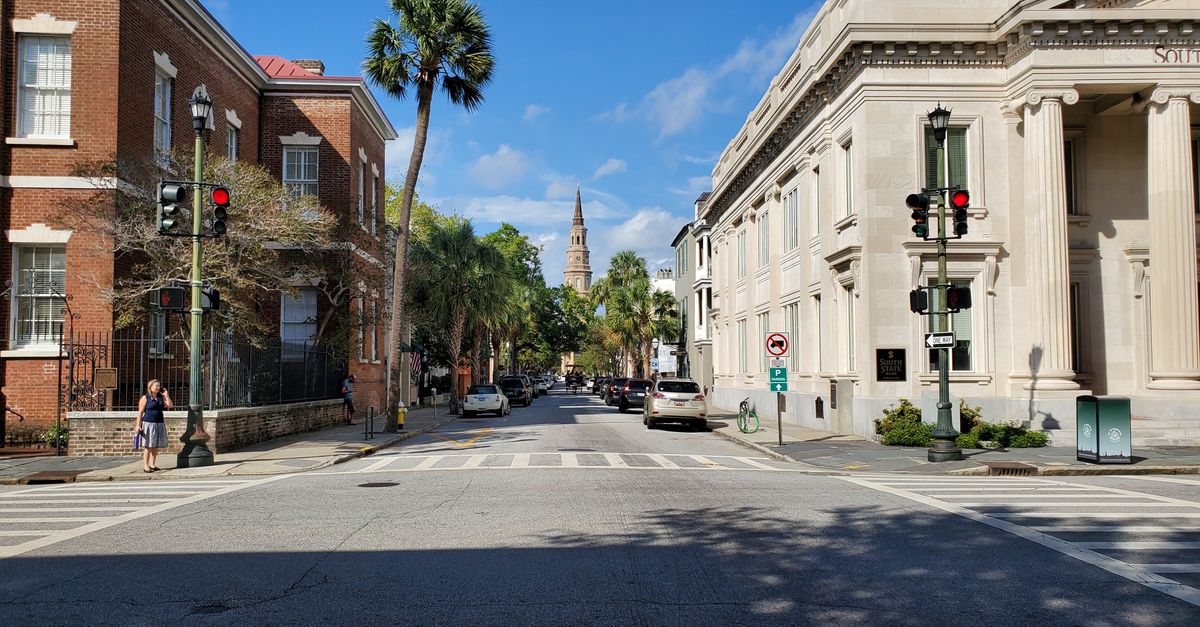

Charleston, South Carolina, stands apart in the American landscape, as its architectural character and culinary heritage developed in tandem under shared geographic, economic, and cultural influences. The city’s slim streets, expansive porches, and carefully maintained colonial structures reveal how residents adapted to the coastal climate, local trade, and social norms. Its kitchens and markets, molded by rice and seafood traditions alongside African and European cooking practices, produced dishes unmatched anywhere else. Below are the essential factors that distinguish Charleston, supported by concrete examples and illustrative cases.
Architectural distinctives
Charleston single house and the piazza: The single house, a long and slender dwelling set with its narrow side facing the street and featuring a side porch, was designed to enhance ventilation in the warm, humid climate while securing privacy on compact city parcels. The piazza, a roofed side porch usually extending along the home’s full length, serves not merely as an aesthetic detail but as a functional cooling element that channels prevailing breezes and shields interior spaces from direct sun.
Raised foundations and brick basements: Frequent flooding and moisture encouraged the construction of elevated main floors, typically supported by tall brick or tabby basements, ensuring living areas remain above tidal waters while improving airflow; numerous antebellum residences along the Battery exemplify this design.
Material choices tied to place: Local woods such as cypress and longleaf pine, and regional materials like tabby—a concrete made from oyster shells and lime—appear throughout historic structures. These materials resist rot and were readily available on the coast.
Ornamental ironwork and streetscapes: Charleston’s iron gates, balconies, and fences are a defining visual element. The combination of narrow lanes, mature street trees, and close-set historic homes creates a layered urban fabric distinct from typical grid cities.
Historic district and active preservation: The Charleston Historic District contains an unusually dense concentration of pre-Revolutionary, Federal, and antebellum buildings. Strong local preservation practices—zoning controls, design review boards, and nonprofit stewardship—have limited disruptive development and maintained sightlines to church steeples and harbor views. This active preservation is itself a defining trait of the city.
Case examples:
- Rainbow Row: a series of carefully restored 18th‑century rowhouses along East Bay Street, celebrated for their pastel fronts and recognized as one of the earliest achievements in preservation.
- Dock Street Theatre: a historic performance landmark with origins in the colonial period, highlighting how civic architecture has been adapted and reused over the centuries.
- The Battery and White Point Garden: a waterfront promenade bordered by grand antebellum residences, showing the influence of coastal fortifications and elite settlement patterns on the evolving shoreline.
Climate-driven adaptations: Elements like expansive shuttered windows, lofty ceilings, elevated chimneys, and sharply angled roofs are designed to handle heat, storms, and moisture, while slender passageways and strategically positioned homes enhance natural shade and airflow instead of depending on mechanical cooling.
Culinary heritages shaped by their locales and past
Lowcountry ingredients and coastal bounty: Tidal creeks, marshes, and bays deliver shrimp, oysters, crab, and diverse finfish throughout the year. Salt marsh habitats sustain blue crab and soft-shell crab fisheries, while mudflats and oyster beds remain vital to local harvesting traditions. These natural offerings form the backbone of dishes that stay both unpretentious and uniquely tied to the region.
Heritage crops and rice economy: For two centuries, rice was the primary export crop from the region. The labor and agricultural knowledge of enslaved Africans made rice cultivation the backbone of the local economy and shaped regional tastes. Heirloom rice varieties, notably a heritage strain once called Carolina Gold, were central to that economy and have been revived in modern heritage-milling efforts, restoring flavors to traditional dishes.
African, European, and Native American influences: A blend of ingredients and methods—ranging from rice farming and pilaf-inspired dishes to the use of okra as a natural thickener, benne seeds for oils and sweets, and expert handling of shellfish—shapes a culinary language all its own. These intertwined traditions have given rise to Lowcountry dishes that stand as original creations rather than simple adaptations of any one source.
Signature dishes and preparations:
- Shrimp and grits: Once known as a simple fisherman’s morning meal, it has become a restaurant favorite, blending stone-ground grits with local shrimp and typically a broth or sauce shaped by regional spices.
- She-crab soup: This rich, creamy crab soup is traditionally brightened with a touch of fortified wine and, when possible, prepared with roe to emphasize the flavor of local blue crab.
- Lowcountry boil or Frogmore stew: A shared pot brimming with shrimp, sausage, corn, and potatoes simmered in spices, reflecting both the area’s seafood heritage and its communal dining customs.
- Benne wafers and rice-based breads: Delicate baked treats that feature sesame seeds and highlight the long-standing importance of rice-derived ingredients in local breads and sweets.
Institutional and modern culinary innovation: Charleston has emerged as a national leader in dining while staying firmly connected to its local harvests and coastal seafood. Its chefs and restaurants have reintroduced heirloom ingredients, strengthened farm-to-table networks, and reimagined classic dishes through contemporary methods. This momentum has transformed historic markets and longtime waterfront seafood purveyors into essential pillars of a thriving modern culinary economy.
Case examples:
- Markets and festivals: Public markets and seasonal celebrations highlight local growers and seafood harvesters, fostering direct relationships between the harvest, the vendor, and the diner.
- Heritage food revival: Specialty mills and producers have brought back Carolina Gold and other heirloom varieties for restaurants and home kitchens, showing how culinary heritage is both revived and carried into the marketplace.
How architecture and cuisine mirror the very forces that shape them
Climate and place: Just as piazzas and raised floors respond to heat and tide, dishes emphasize ingredients that thrive in the coastal ecosystem—shellfish, rice, and seasonal vegetables adapted to marshy soils.
Labor and cultural transmission: The technical knowledge that built rice fields and tabby structures came from the same historical communities that carried culinary techniques across generations. Buildings and recipes both encode memory, labor patterns, and adaptation to environment.
Preservation and reinvention: Preservation ordinances and restoration practices keep physical heritage intact; culinary revival movements restore heirloom crops and traditional preparations. Both fields balance authenticity with contemporary needs: adaptive reuse of buildings for restaurants, and historic recipes reimagined for modern palates.
Notable examples that demonstrate the intersection
Historic homes repurposed as food destinations: Converted carriage houses and restored townhouses often house acclaimed restaurants and inns, placing regional cuisine inside architecturally significant settings and creating immersive heritage experiences.
Public markets and streetscapes: The long market sheds and square markets have hosted food vendors for generations; they continue to be nodes where local seafood, rice products, and baked goods are sold, bridging everyday commerce and tourism.
Charleston’s distinct character emerges not from isolated traits but from how climate, landscape, commerce, and human ingenuity have shaped unified systems. Its single houses and piazzas serve as practical adaptations to the coast while also standing as defining visual markers. Its shrimp and grits, rice traditions, and seafood boils arise from the same coastal abundance and layered cultural past. Architecture and cuisine together weave a continuous narrative of adjustment, endurance, and renewal—an urban and culinary setting where preservation intersects with innovation.