
Walking is frequently regarded as one of the most straightforward and easily accessible forms of exercise. However, besides merely tallying the steps taken daily, the pace—or rhythm—of one’s walk can greatly influence their general mobility and physical capabilities. By deliberately raising their walking rhythm, numerous people might observe marked enhancements in stability, coordination, and ease of motion, particularly as they advance in age or recuperate from an injury.
Cadence, described as the count of steps per minute, acts as a valuable measure of walking intensity. Although a slow pace might provide certain cardiovascular advantages, moving at a faster tempo generally stimulates more muscle groups, tests balance, and involves the body’s systems in manners that promote better and more effective movement habits.
For older adults, a faster walking pace can serve as an important marker of functional health. Studies consistently show that gait speed and step frequency are linked to greater independence and reduced risk of falls. A slow or irregular walking rhythm may indicate underlying issues with strength, motor control, or neurological function. In contrast, those who walk at a faster cadence typically demonstrate better overall mobility and are more likely to maintain their physical abilities over time.
Instructing the body to walk more briskly can be an uncomplicated and efficient approach. It doesn’t necessitate special gear or rigorous gym workouts—only a deliberate attempt to boost step rate during ordinary walking. For instance, selecting music with a predetermined beats-per-minute (BPM) speed can establish a steady pace, encouraging the body to adapt naturally to a swifter pattern. Even slight enhancements in pace, like progressing from 90 to 110 steps each minute, can produce observable advantages over time.
The advantages of increased cadence extend beyond mobility. Walking more briskly also enhances cardiovascular function, boosts energy levels, and may contribute to weight management. It encourages improved posture, engages the core and leg muscles more intensely, and can even promote better cognitive performance. All of these factors contribute to a more active and resilient lifestyle, especially important in midlife and beyond.
Cadence training can be adjusted to accommodate various requirements and capabilities. For individuals recovering from surgery or managing a chronic illness such as arthritis, gradual enhancements in pace can aid in restoring strength and coordination while minimizing pressure on joints. Athletes or those aiming for elevated fitness levels might find that interval walking—switching between slow and rapid cadences—offers diversity and presents a challenge to their daily activities.
One major advantage of emphasizing cadence is that it offers a tangible and measurable indicator for tracking progress. Unlike subjective evaluations such as perceived effort, cadence can be accurately quantified using devices like pedometers, smartwatches, or mobile fitness applications. Over time, people can notice changes in their steps per minute, which provides motivation and understanding of their physical well-being.
It’s also worth noting that walking cadence is closely connected to stride length and posture. A sluggish pace often leads to shorter strides and less efficient movement mechanics. On the other hand, walking briskly naturally encourages longer, more purposeful steps and upright posture, both of which contribute to smoother and more confident mobility. These subtle biomechanical changes add up, reducing the risk of stiffness, joint pain, or imbalance over time.
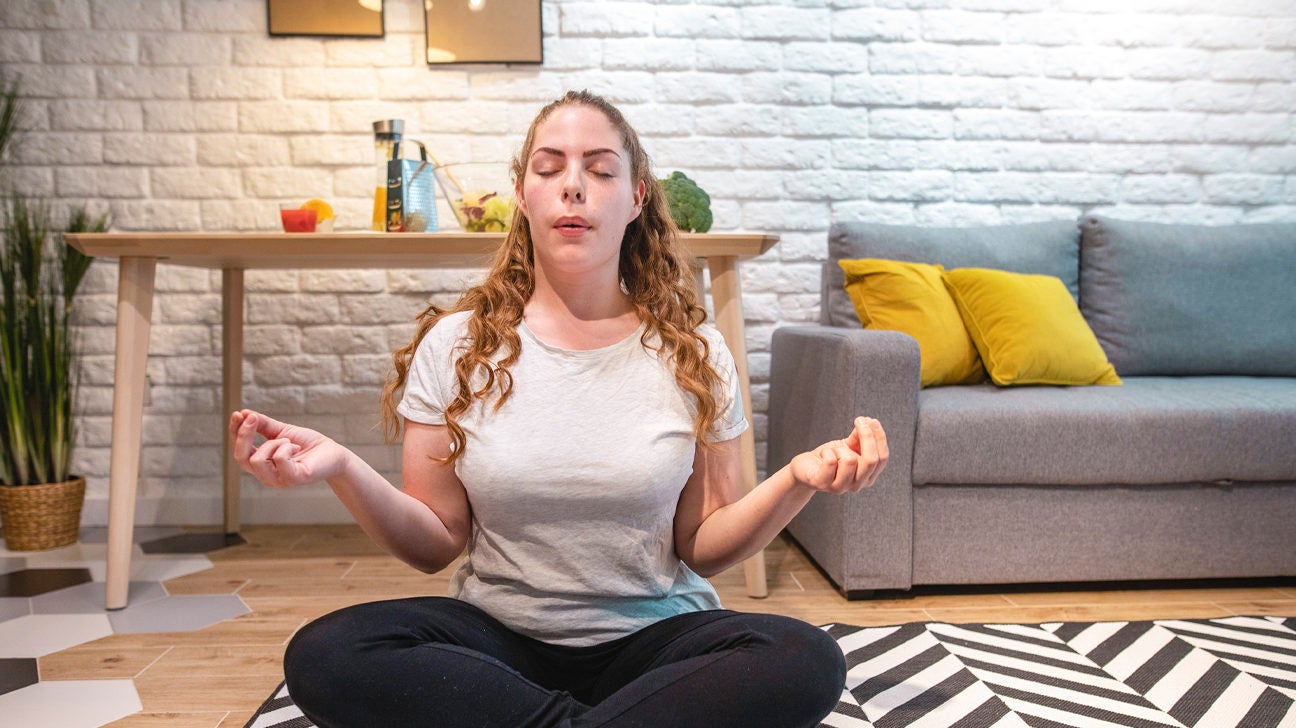
Apart from the physical elements, increasing your walking pace might also affect mental wellness. Engaging in physical exercise, especially in natural settings, is linked to a decrease in anxiety and depression symptoms. The steady pace of a swift walk can provide a meditative experience, aiding in mental clarity and enhancing mood. Alongside the physical advantages, this makes walking at a quicker pace an effective method for overall well-being.
To initiate, one may start by establishing modest, attainable objectives. Walking briskly for 10 to 15 minutes several times daily can create progress. Slowly, as the pace picks up, the body adjusts to the new tempo, enhancing strength, stamina, and balance. Eventually, this can lead to significant improvements in mobility, like the capacity to walk further, ascend stairs more easily, or confidently traverse rough surfaces.
For those who already walk regularly, simply being more mindful of pace can elevate the benefits of their routine. Rather than focusing solely on total steps or distance, incorporating cadence as a performance marker adds a new layer of depth to fitness tracking. This approach helps shift the emphasis from quantity to quality, highlighting how well a person moves rather than just how far.
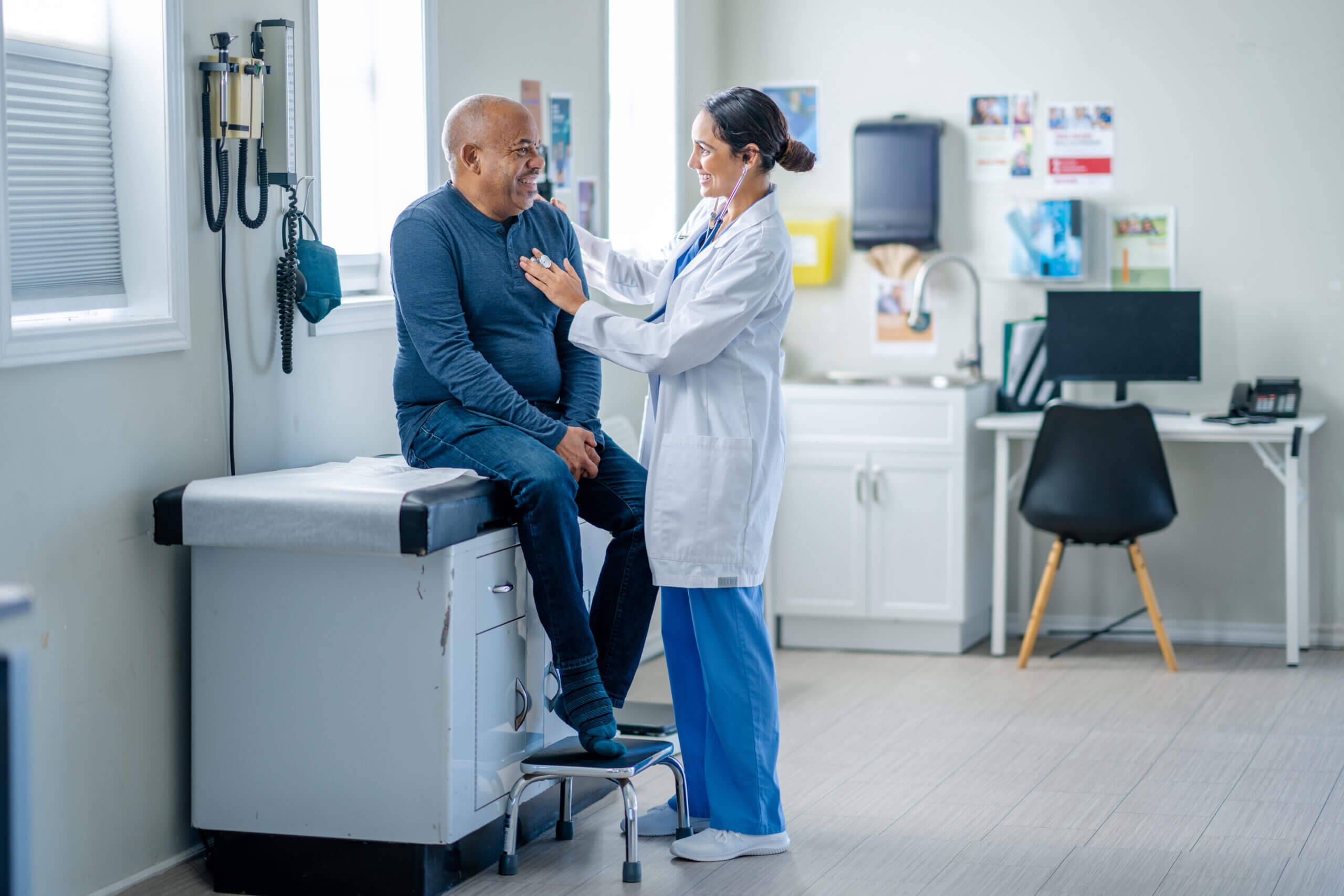
Healthcare professionals are also increasingly encouraging patients to pay attention to walking cadence as part of broader physical therapy or wellness plans. In clinical settings, gait analysis is used not only to diagnose mobility challenges but also to monitor progress in rehabilitation. By integrating cadence into daily life, patients can reinforce the improvements made in therapy and continue advancing their functional goals independently.
Increasing walking cadence is a practical, low-cost strategy for enhancing physical mobility across all stages of life. It supports better movement efficiency, promotes cardiovascular and mental health, and empowers individuals to take an active role in their well-being. Whether someone is seeking to regain strength after injury, maintain vitality in later years, or simply optimize their daily walk, stepping up the pace can make a meaningful difference.