

Anna Wintour steps down as Vogue’s top editor after years of shaping the fashion landscape
When Anna Wintour unveiled her first issue of the American Vogue towards the end of 1988, the printer’s response was unexpected: “Was a mistake made?” The cover featured model Michaela Bercu dressed in a Christian Lacroix jacket with jeans, which was a shift from the carefully arranged, polished images that had defined the magazine for so long. The picture was laid-back, snapped outdoors, and captured a sense of spontaneity that heralded a new chapter for Vogue.
The event laid the foundation for Wintour’s outlook, which would revolutionize more than just the magazine, reshaping the entire fashion industry. She brought an element of authenticity and accessibility to the publication, steering it away from its previous focus on pure luxury. Choosing to feature a model in denim, even though it occurred accidentally due to a wardrobe mistake, initiated a cultural shift. It suggested that fashion could be part of everyday attire, not just seen on fashion runways.
After establishing her reputation at British Vogue, Wintour was recruited to rejuvenate the American version, and for 37 years, she successfully accomplished that task. With her direction, the magazine confidently navigated through the supermodel epoch, the emergence of grunge, the predominance of celebrity culture, and the shift toward prioritizing digital storytelling. During this period, Wintour consistently demonstrated a keen understanding of the broader cultural implications of fashion and its potential to impact more than just attire.
This week, Wintour announced she would be stepping down as editor-in-chief of Vogue, marking the end of one of the most influential editorial tenures in fashion history. While she will continue in her role as chief content officer at Condé Nast—a position she has held since 2020—her departure from the magazine’s editorial helm closes a significant chapter.
Wintour’s influence with Vogue reaches well past the confines of its publication. She altered the standards of fashion covers, prominently incorporating celebrities into what was once an exclusive domain for models. During her initial year, she featured Madonna on the cover—an unexpected decision that initiated a fresh blend of fashion and pop culture. This marked the start of a shift that would ultimately include reality TV personalities, political leaders, and cultural icons gracing the magazine’s covers.
Throughout her time at Vogue, Wintour kept her finger on the pulse of public interest, adjusting the magazine’s tone to reflect broader shifts in media and consumer behavior. Her editorial instincts often translated into real-world influence. For instance, she was among the first to bring figures like Kim Kardashian and Ivanka Trump into fashion’s mainstream conversation, offering them a platform that significantly expanded their visibility.
Este control editorial no dejó de ser cuestionado. Las decisiones de Wintour algunas veces enfrentaron resistencia, como la disputada portada de revista de 2008 con LeBron James y Gisele Bündchen, que provocó debates sobre imágenes raciales y representación. No obstante, estos casos solo reforzaron la realidad de que Wintour se había consolidado como una figura central en el diálogo sobre moda e influencia.
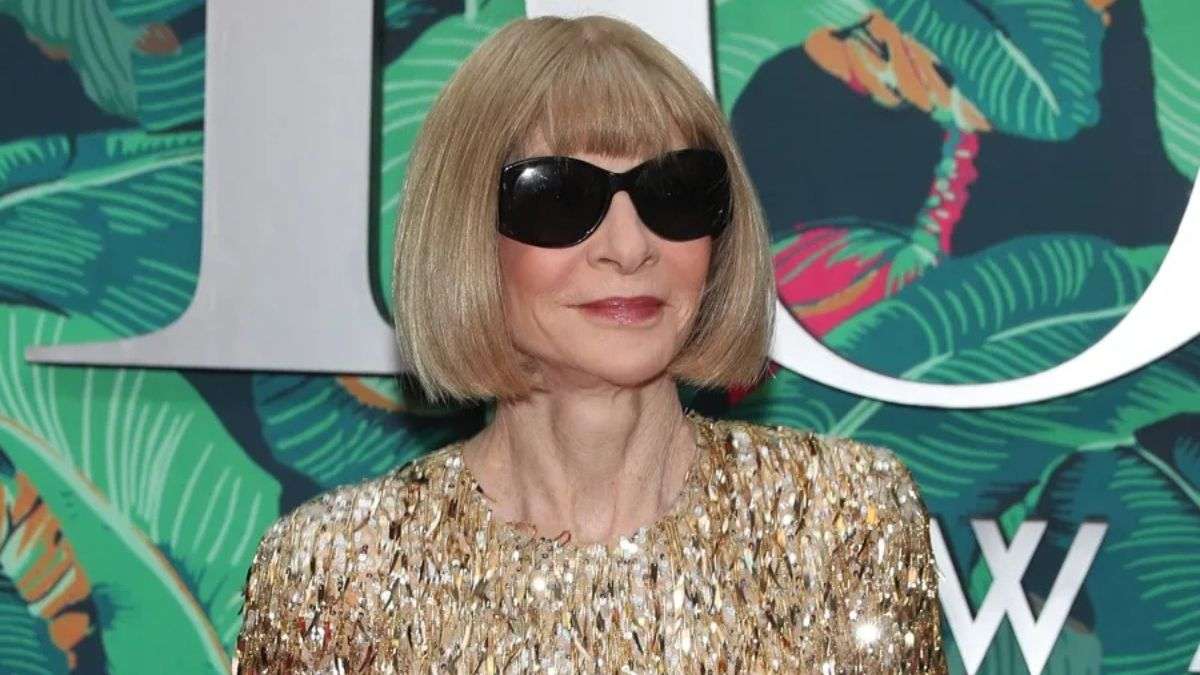
Her unique fashion—characterized by her distinctive bob haircut and iconic sunglasses—became synonymous with her career image. Wintour’s attendance at the Met Gala, the coveted prestige of the September edition, and numerous nods to her image in popular culture (like the imaginary Miranda Priestly in The Devil Wears Prada) all cemented her status as a cultural influencer.
Although she projected a mysterious aura regarding her public persona, Wintour often downplayed the attention on herself. She prioritized the innovation and editorial guidance of the publications she handled rather than individual opinions. However, her influence was clear, and she was aware of it, often attending events like the The Devil Wears Prada musical celebration, acknowledging the similarities without overtly confirming them.
Throughout her career, Wintour managed to hold authority in an industry known for volatility. Her ability to remain relevant through seismic shifts in media—from glossy pages to digital platforms—speaks to her adaptability and strategic vision. She recognized early on the importance of online presence, even as traditional print struggled to maintain its audience. Though some critics pointed to an overemphasis on celebrity content in the digital age, Wintour defended the choices as necessary to maintain cultural relevance.
Past coworkers and those knowledgeable in the fashion industry propose that Wintour’s choice to reduce her role was probably made independently. Though she remains the chief content officer, she continues to influence Vogue and other prominent Condé Nast publications, and will supposedly have input in selecting who follows in her footsteps. Anticipation regarding this decision is already rising.
Potential candidates include Eva Chen, holding the position of director of fashion partnerships at Instagram, where her broad digital knowledge plays a crucial role in today’s media landscape. Chioma Nnadi is frequently mentioned as well, as she oversees the editorial content at British Vogue, and is regarded as one of Wintour’s protégés. Her career advancement within the organization is being closely watched, representing a potential continuation of Wintour’s influence with a new generational view.
Other names in the conversation include Amy Astley, former Teen Vogue editor now leading Architectural Digest, as well as current senior editors like Chloe Schama and Chloe Malle. Even Wintour’s daughter, Bee Shaffer Carrozzini, a film producer with ties to the fashion world, has been mentioned—though such speculation remains firmly in the realm of conjecture.
As Wintour departs from the magazine she played a pivotal role in turning into a global powerhouse, experts in the field are assessing her influence. The fashion industry has undergone considerable changes throughout her tenure—not only in aesthetics, but also in its influence on cultural and political conversations. Issues like sustainability, ethical labor conditions, and the digital revolution have shifted fashion from a niche focus to a broader discourse on identity, values, and societal progress.
Wintour, often seen as the gatekeeper of fashion’s inner circle, helped open those gates—though not without maintaining a firm grip on the standards of taste and innovation that Vogue became known for. Her ability to merge exclusivity with mass appeal, and high fashion with everyday relevance, is perhaps her greatest legacy.
In contemplating what’s ahead, the challenge for the successor will be to continue navigating a dynamic landscape. Balancing the commercial needs of modern media with the newly linked cultural responsibilities in fashion won’t be easy. Yet, Wintour has already played a role in forging this direction.
In various respects, her attendance at the wedding of Jeff Bezos and Lauren Sánchez earlier this year highlighted her distinct cultural status. Featuring Sánchez on the cover in 2023, Wintour was not just a guest at the occasion—she had contributed to framing the story surrounding it.
Considering all her achievements in the publishing industry, Wintour’s greatest influence might be how she expanded the importance of fashion beyond its traditional boundaries. She didn’t just observe trends—she molded them, anticipated them, and, in many cases, created them.
As Anna Wintour exits the editor-in-chief role, Vogue and the broader fashion world enter a period of reflection and transition. Her departure is not just the end of an era—it’s a moment to consider what comes next for a publication, and an industry, that she helped define.


:max_bytes(150000):strip_icc()/VWH-GettyImages-2168531818-3e0c9a6c46fe445ab049a4daf639baa5.jpg "How To Incorporate Glycolic Acid Into Your Skincare Routine, According To The Experts")

