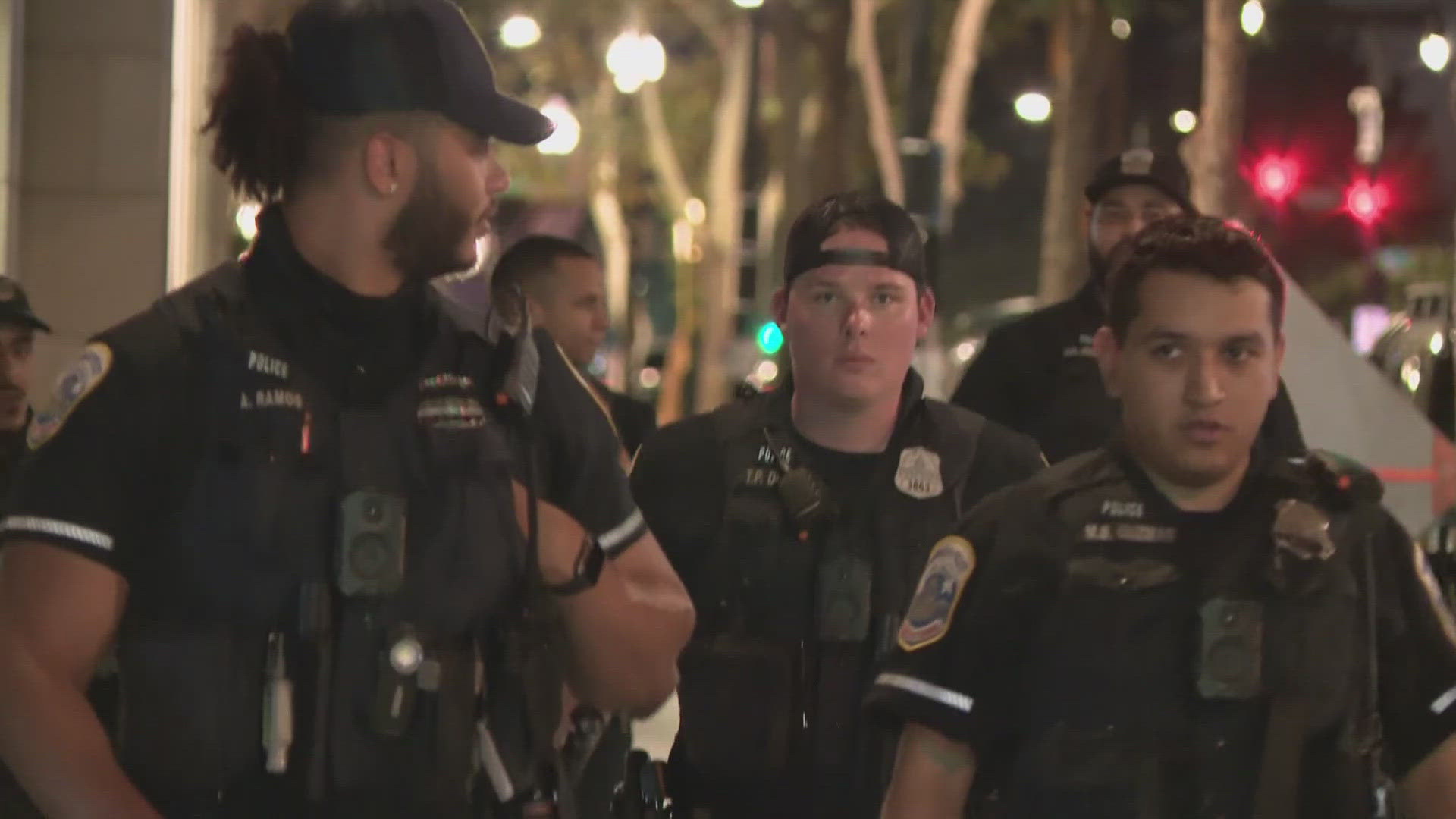

For the first time in modern history, the Metropolitan Police Department of Washington, D.C., has been placed under direct federal control, as National Guard troops began arriving in the capital to shore up security efforts. Authorities mobilized approximately 800 guardsmen under provisions of the Home Rule Act, with the exception allowing federal oversight during an emergency. The initial takeover is slated for 30 days, subject to possible congressional extensions.
The federal operation is being spearheaded by senior leadership, including the Attorney General and the U.S. Attorney assigned to the jurisdiction. In the early hours of the deployment, multiple arrests were reported and several homeless encampments cleared by officials seeking to assert swift control over public spaces and address what was characterized by federal authorities as an escalating safety crisis.
Despite these high-profile maneuvers, local officials have pushed back strongly, questioning the necessity and legality of the action. The mayor of Washington described the move as “unsettling and unprecedented,” underscoring the city’s limited ability to defend its home rule under current laws. She reiterated that the local police chief remains in operational command of the department, signaling a constrained but determined willingness to cooperate within the confines of the law.
City data paints a sobering contrast to the federal characterization of the capital’s security situation. Overall violent crime is reported to be at a three-decade low, with carjackings, for instance, declining nearly 50% in the previous year. Critics have denounced the federal intervention as politically motivated, arguing it represents a power grab rather than a genuine public safety measure.
The city council, civic leaders, and civil rights advocates echoed this sentiment. Statements from municipal lawmakers labeled the action as intrusive, unnecessary, and a manufactured emergency. One councilmember emphasized that local officers, already trained for the job, should lead efforts to maintain public safety—not the National Guard.
Legal experts have noted that the president’s authority over law enforcement in the nation’s capital is unusually expansive, given the District’s federal status. Section 740 of the Home Rule Act grants temporary powers to federal officials in emergencies, but legal observers warn this could be a dangerous precedent if unchecked by further legislative or judicial oversight.
Public reaction has been fierce and polarized. Demonstrators gathered near government buildings, holding signs demanding local autonomy and rallying against what they perceive as an encroachment on civil liberties. Meanwhile, the local police union expressed support for the federalized approach, citing a need for additional resources to combat perceived threats to order.
Beyond internal disturbances, the national effort also encompasses actions aimed at addressing homelessness. Authorities indicated that people discovered in public camps might encounter arrest or penalties unless they agree to receive shelter support—a step that is prompting further worries from supporters of homeless rights.
This intervention marks a notable escalation in the ongoing tension between federal authority and local government in the nation’s capital. While the federal government asserts ownership over public safety, local leaders and residents frame the move as a worrying step toward normalization of military-style interventions in urban policing.
As the 30-day window begins, all eyes will be on the capital to see whether the initiative will effectively restore order—or whether it will become a flashpoint in the broader debate over the balance of power between federal and local governance. The unfolding event may well define the limits of executive authority in federal territories and reshape expectations around the role of military forces in domestic law enforcement.