

Scientists and healthcare officials are emphasizing that it is not a short-term issue but a situation the country needs to tackle through ongoing surveillance, preventative measures, and educational initiatives.
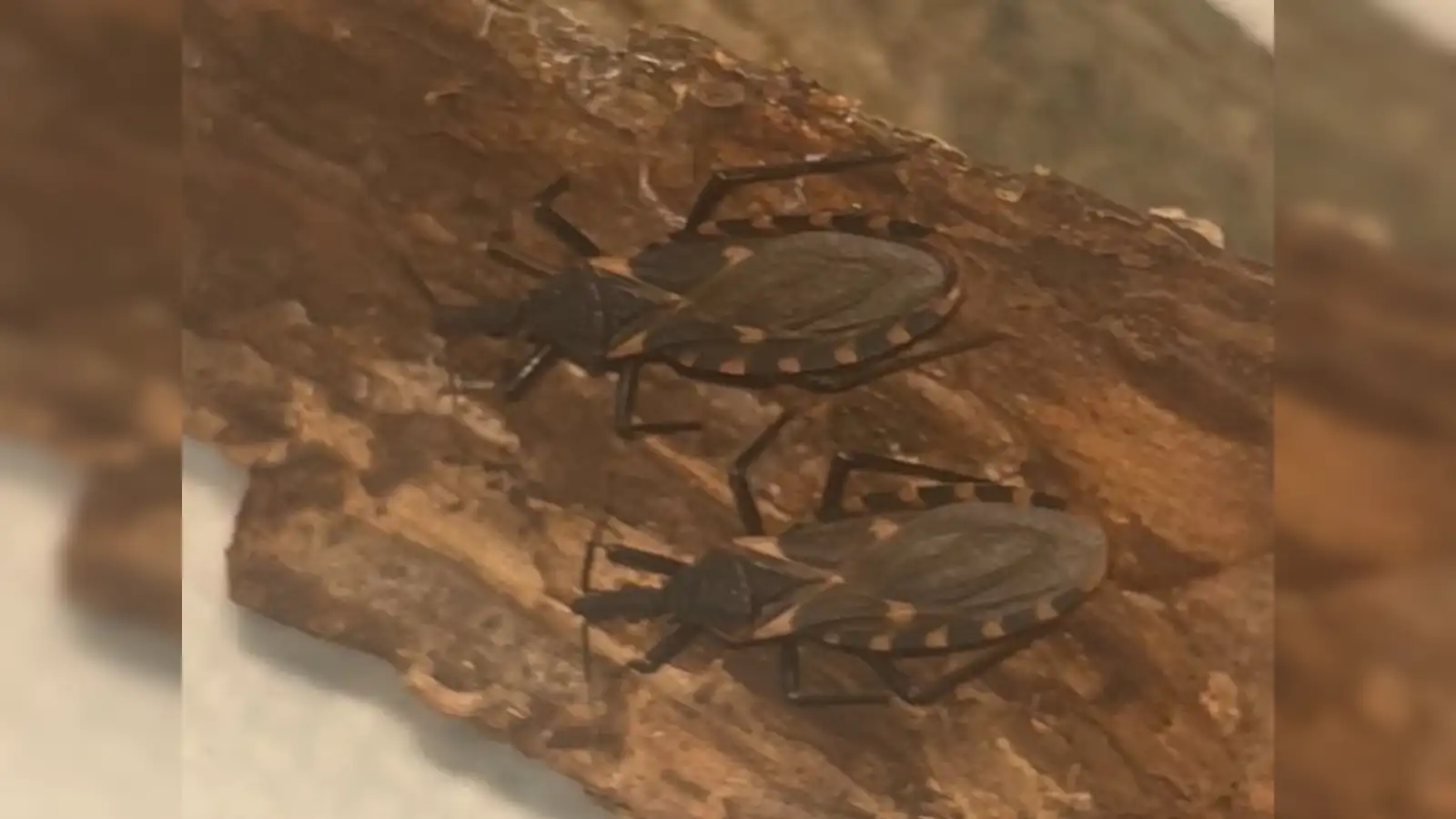
At the heart of this health predicament lies the triatomine bug, often referred to as the kissing bug due to its habit of biting individuals near the mouth or eyes during sleep. When carrying the Trypanosoma cruzi parasite, these bugs can transmit the infection to humans, causing Chagas disease. The illness typically progresses quietly, potentially leading to chronic issues, particularly affecting the heart and digestive system, many years after the initial infection. The discreet nature of the disease, along with the limited awareness among both patients and healthcare providers, makes it particularly challenging to manage.
Reasons for the increase of the illness throughout the United States
One major factor behind the increasing prevalence of Chagas disease is environmental change. Rising temperatures, prolonged breeding periods for insects, and human expansion into formerly rural or untamed regions have established ideal habitats for triatomine bugs. States in the southern U.S., such as Texas, Arizona, and New Mexico, already experience frequent encounters with these bugs, and their habitat continues to grow.
Another reason is the growth in movement and relocation. People from regions where Chagas disease has traditionally been widespread are part of the increasing number of identified cases, as some unknowingly bring the infection from other countries. Together with local transmission possibilities, this has expanded the range of the public health issue. Health specialists highlight that the concern is not just about imported cases anymore but also includes transmission within the country.
Complicating the scenario is the limited public knowledge. A large number of individuals are scarcely aware of the kissing bug or the dangers it brings, leading to postponed identification and a decrease in preventive actions. Additionally, the inconspicuous early signs often result in people remaining undiagnosed for years, only to discover the illness after severe issues arise much later.
Worries about public health and the risks over the long term
The World Health Organization has long categorized Chagas disease as a neglected tropical illness, but its rising prevalence in the United States highlights the need for stronger local responses. Chronic cases can result in severe cardiac problems, including arrhythmias, heart failure, and even sudden death. Digestive complications such as enlarged esophagus or colon are also possible, further underlining the seriousness of the infection.
Public health authorities face multiple challenges in addressing this disease. Screening programs are limited, access to specialized diagnostic testing is uneven, and treatments—though available—are most effective in the early stages. Late detection often reduces treatment efficacy, leaving patients at risk of lifelong complications. The situation calls for coordinated efforts between federal health agencies, state-level organizations, and local clinics to expand awareness and improve healthcare infrastructure to deal with the growing demand.
Moreover, since Chagas disease can additionally be spread via blood transfusions, organ transplants, and from mother to infant during pregnancy, healthcare systems need to uphold strict screening procedures. Recently, blood banks in the U.S. have implemented compulsory testing methods to minimize the chance of transmission through transfusions, a measure that specialists deem crucial in controlling the disease’s proliferation.
Strategies for prevention and community education
Actions to fight the disease spread by kissing bugs go beyond mere medical interventions. Educating the community is essential for identifying these insects, preventing encounters, and getting quick medical help when needed. Preventive steps involve closing gaps in walls, installing window screens, and reducing the use of outdoor lights that lure bugs. In regions where triatomine bugs are prevalent, regular checks and pest management plans are highly advised.
Healthcare providers are also being urged to improve their knowledge of Chagas disease. Many U.S. clinicians remain unfamiliar with its presentation, which can lead to underdiagnosis or misdiagnosis. Training programs and informational campaigns are being developed to equip doctors and nurses with the tools necessary to identify and manage the illness effectively. Experts argue that building medical capacity is just as important as community awareness, given the complexity of the disease’s progression.
Anticipating the future, scientists are dedicating resources to discover novel diagnostic methods and therapies aimed at enhancing results for affected patients. Progress in molecular testing provides optimism for swifter and more dependable identification, while continual research aims to optimize current treatments or create innovative options. The incorporation of technology into surveillance and early-alert systems can potentially forecast outbreaks and pinpoint areas of elevated risk, enabling preventive measures to be implemented more effectively.
The rise of kissing bug disease in the United States serves as a reminder of how interconnected environmental change, migration, and public health can be. What was once a distant concern has become an enduring reality, requiring vigilance, resources, and community engagement. Addressing this challenge will mean treating it not as a temporary issue but as part of the evolving health landscape of the nation, where prevention, awareness, and medical innovation will be central to protecting future generations.


