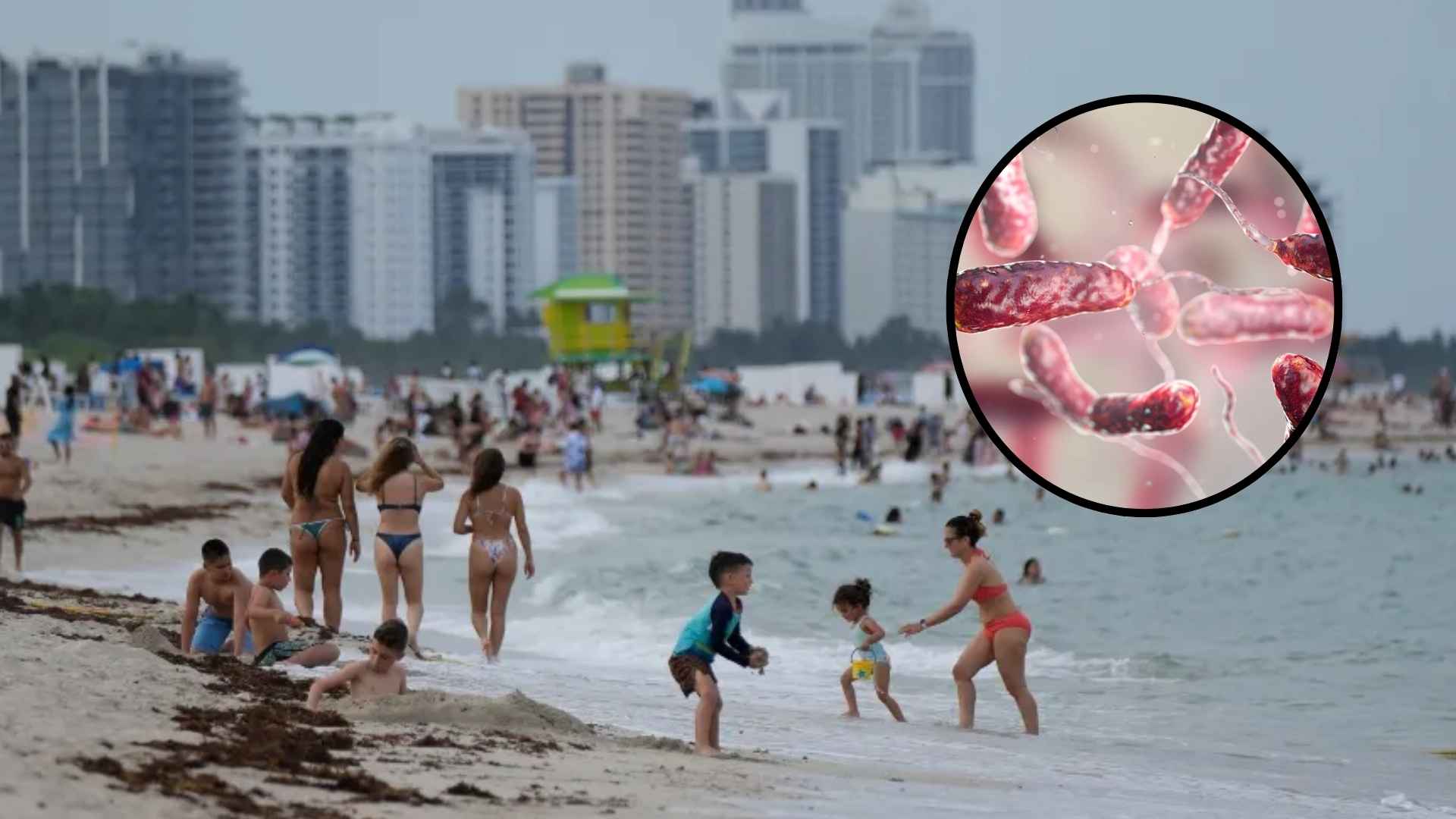

Coastal regions across the American Southeast are experiencing an unusual surge in dangerous bacterial infections that have already claimed multiple lives this year. Public health officials report Vibrio vulnificus, a potentially deadly bacteria found in warm seawater, has caused at least ten confirmed fatalities across Florida, Louisiana, and North Carolina’s Outer Banks region since January.
Florida’s Department of Health has documented sixteen cases statewide, with deaths occurring in multiple coastal counties from the Panhandle to the Atlantic coast. Louisiana has recorded seventeen infections – significantly exceeding previous annual averages – while North Carolina confirms seven cases and Mississippi reports three. The bacteria enters the body through open wounds or contaminated seafood, sometimes causing necrotizing fasciitis, a rapid tissue destruction commonly called flesh-eating disease.
Antarpreet Jutla, a researcher at the University of Florida, observes that the early summer surge in cases is atypical when compared to historical trends. Vibrio infections often rise after hurricanes, yet this year’s cases have surfaced before the main storm season. Jutla’s team is looking into the unusually high levels of vibrio indicators such as plankton in the Florida Panhandle, indicating that environmental elements might be influencing the outbreak.
The Centers for Disease Control and Prevention suggests that Vibrio vulnificus is deadly in about 20% of its cases. Typically, infections happen when the bacteria breach the body through cuts or wounds that contact warm saltwater, while eating raw oysters is an alternative common method of transmission. Once it takes hold, the infection can progress rapidly, damaging nearby tissue and possibly reaching the bloodstream.
Vulnerable groups are at heightened risk, as noted by infectious disease expert Dr. Norman Beatty from University of Florida Health. People suffering from liver diseases, weakened immune systems, or enduring ailments such as diabetes show notably increased vulnerability. Additionally, older individuals face more significant threats because of age-related weakening of the immune system.
Early symptoms demand immediate medical attention – redness, swelling, and distinctive bullseye-pattern blisters around wounds signal possible infection. As the condition progresses, patients may develop fever, chills, and dangerously low blood pressure indicating life-threatening sepsis. Prompt antibiotic treatment significantly improves outcomes, making rapid diagnosis critical.
Scientists studying climate change have noted that the increase in ocean temperatures is causing Vibrio bacteria to spread northward along both coastlines. In recent years, cases have emerged in usually cooler areas such as New York, Connecticut, and Maryland. Experts suggest that the warmer waters provide perfect conditions for bacterial growth, which could potentially account for the recent outbreak in the southeast.
Prevention is still the best way to protect yourself from these harmful infections. Health specialists suggest:
- Thoroughly covering all wounds before ocean exposure
- Avoiding saltwater activities with fresh cuts or scrapes
- Cooking seafood completely and practicing safe handling
- Seeking immediate care for any suspicious symptoms
Although Vibrio vulnificus constitutes merely one among more than 200 species of vibrio, its possible severity calls for particular vigilance. Many other strains result merely in mild digestive ailments, although Vibrio parahaemolyticus and Vibrio alginolyticus might induce uncomfortable cases of foodborne illness.
Public health agencies continue monitoring coastal water conditions as hurricane season approaches, since storm surges and flooding often increase infection risks. Residents and visitors to affected areas should remain vigilant about water safety and wound protection during the warmest months when bacterial concentrations peak.
The current outbreak serves as a sobering reminder of nature’s hidden dangers, particularly for those with existing health vulnerabilities. As climate patterns evolve, understanding and preventing these infections will likely require ongoing cooperation between medical professionals, researchers, and coastal communities. For now, awareness and prompt treatment remain the best protections against this potentially deadly marine threat.