
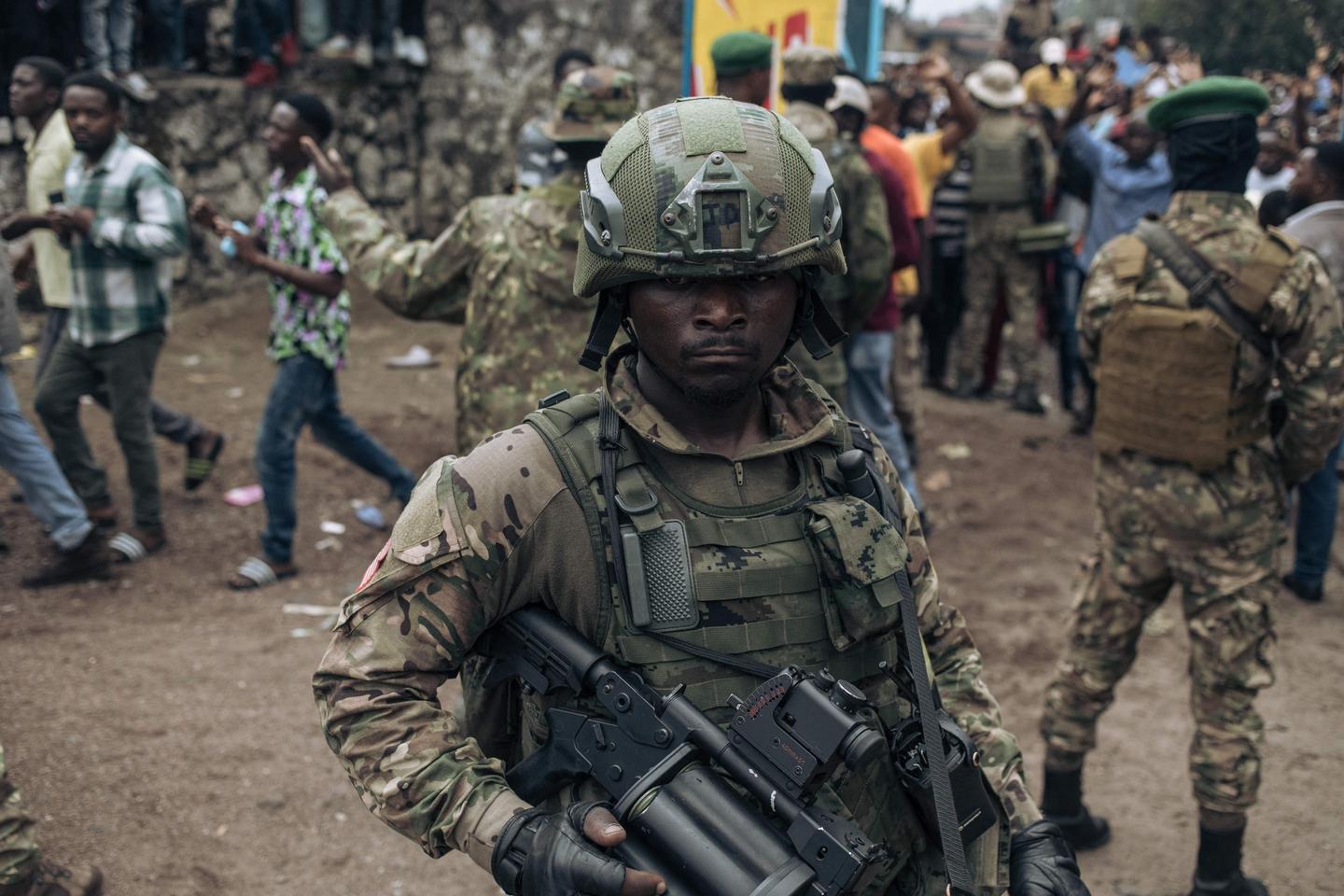

In an area historically affected by strife, a move towards tranquility has surfaced. Armed groups active in the eastern Democratic Republic of the Congo (DRC), some allegedly supported by nearby Rwanda, have consented to an initial framework of principles designed to create a lasting ceasefire. Although the journey to enduring peace is still unclear, this progress provides a rare sign of optimism in a conflict that has forced millions to flee and resulted in numerous casualties.
The eastern provinces of the DRC, particularly North Kivu and Ituri, have been plagued for decades by armed violence involving local militias, foreign-backed groups, and government forces. The root causes of this unrest are complex—spanning ethnic tensions, control over mineral-rich lands, historical grievances, and a fragile national governance structure. Despite repeated peace efforts, the situation has frequently deteriorated, leaving communities trapped in cycles of violence.
At the core of the recent milestone lies a freshly executed declaration of principles between the DRC government and various armed groups active in the east. These principles act as a foundational structure for negotiating a complete and enforceable ceasefire. Key elements include pledges to halt hostilities, enable humanitarian efforts, safeguard civilians, and participate in political discussions.
While the declaration does not yet amount to a binding ceasefire agreement, it reflects a shift in tone and intention among key stakeholders. In recent months, regional actors and international observers have increasingly urged a diplomatic solution, citing the toll on civilians and the growing instability spilling across borders. The move toward formal dialogue indicates a willingness—however tentative—on both sides to reduce violence and seek resolution through negotiation.
A significant challenge contributing to the area’s instability is the reappearance of the M23 rebel faction, which has become active again after a dormant phase. The government of the DRC has consistently accused Rwanda of backing the M23, a claim that Rwanda has consistently refuted. The friction between the two nations has sometimes escalated, leading to concerns about a potential wider conflict in the region.
The new declaration, although not explicitly naming the M23 or Rwanda, includes a mutual acknowledgment of the need to address foreign influence and disarmament of non-state actors. This suggests that behind-the-scenes negotiations may have involved tacit understandings or preliminary concessions involving Rwanda’s role in the conflict.
What makes this moment particularly noteworthy is the timing. After years of stalled talks, military escalations, and failed peacekeeping interventions, the parties now appear more responsive to diplomatic engagement. Analysts suggest this could be due to a combination of fatigue from prolonged conflict, shifting geopolitical dynamics, and pressure from regional mediators.
Neighboring countries and regional organizations have played a significant role in facilitating recent discussions. Efforts have been ongoing to revive regional peace initiatives, many of which had languished due to mistrust and lack of coordination. The renewed attention from these actors has helped create an environment more conducive to dialogue, even if fragile.
Communities in eastern Congo, long caught in the crossfire, have responded with cautious optimism. For many civilians, peace has remained an elusive dream, disrupted time and again by flare-ups of violence. Displacement camps remain overcrowded, humanitarian needs are acute, and fear of renewed clashes hangs over daily life. Still, even the smallest signs of progress are met with hope that the worst may finally be behind them.
The DRC government has also emphasized its commitment to disarmament, reintegration of former fighters, and restoring state authority in affected areas. However, these goals depend heavily on security guarantees and sustained support from both national institutions and the international community. Without adequate follow-through, there is a risk that this agreement—like many before it—could unravel under the weight of competing interests and unresolved grievances.
The declaration further outlines mechanisms for monitoring and verification, though details on enforcement remain unclear. In a region where numerous ceasefires have collapsed due to noncompliance or weak oversight, the success of any peace agreement hinges on its ability to be implemented transparently and consistently.
Looking ahead, there is cautious acknowledgment that signing principles is only the first step. The real challenge lies in translating those principles into lasting change on the ground. This will require trust-building measures, the inclusion of civil society in the peace process, and concrete actions that demonstrate a commitment to ending hostilities—not just temporarily, but for good.
In the broader context, peace in eastern Congo is not only a national imperative but a regional priority. Instability in the DRC has ripple effects throughout Central Africa, disrupting trade, fueling cross-border tensions, and creating humanitarian crises that extend beyond national borders. A successful peace process would therefore benefit not just the Congolese people, but neighboring countries and the continent as a whole.
Although the future path is filled with unpredictability, the signing of this declaration presents a unique opportunity to change the course of an enduring conflict. Should it be accompanied by sincere discussions and continuous attempts to tackle the underlying issues, this progress might signify the start of a new era for an area that has suffered excessively for an extended period.


