Our website use cookies to improve and personalize your experience and to display advertisements(if any). Our website may also include cookies from third parties like Google Adsense, Google Analytics, Youtube. By using the website, you consent to the use of cookies. We have updated our Privacy Policy. Please click on the button to check our Privacy Policy.

Social Responsibility

Eritrea: CSR cases strengthening community health and capacity-building

Eritrea: Empowering communities through CSR in health and capacity

Eritrea’s political and economic landscape influences how corporate social responsibility functions in practice, and although its private sector is smaller than in many other nations, extractive firms, infrastructure contractors, local businesses, and diaspora-backed ventures have driven CSR efforts that emphasize community well-being and skills development. This article brings together reported examples, program categories, results, obstacles, and actionable insights aimed at enhancing health and human capital across Eritrean communities.Background and reasoning behind CSR initiatives in EritreaEritrea continues to confront enduring public health challenges and capacity limitations common in low‑resource environments, including limited rural health infrastructure, insufficiently trained medical personnel, inadequate water…
Read More
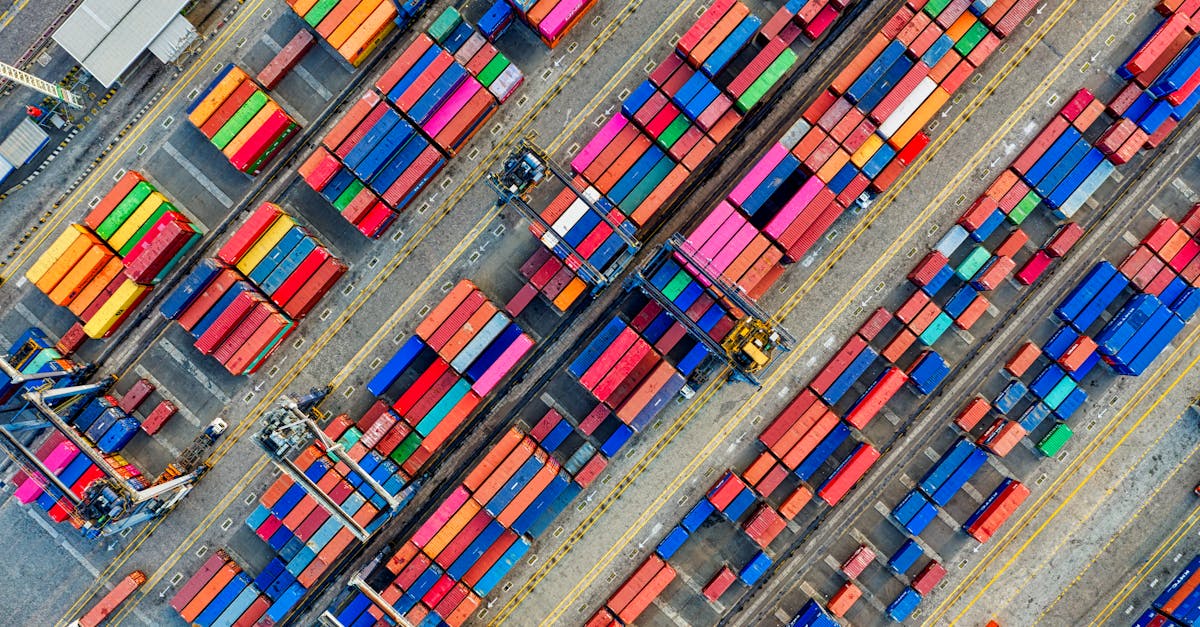
How standards shape trade and who gets locked out

Brazil’s CSR: Reforestation & Sustainable Supply Chains

Brazil's land-use profile links global supply chains with one of the planet's largest remaining tropical forest stocks. Agricultural expansion, timber production and commodity exports have driven deforestation for decades, while increasing corporate and civil-society pressure has produced a wave of corporate social responsibility (CSR) initiatives that explicitly pair reforestation with responsible sourcing. These initiatives seek to reduce forest loss, restore degraded landscapes and align procurement practices with climate, biodiversity and social goals.Background and key motivatorsLand-use pressures: Expanding production of commodities such as beef, soy, pulp and paper, and sugar continues to underpin extensive clearing across the Amazon and other Brazilian…
Read More
Philippines: CSR strengthening disaster preparedness and neighborhood resilience

Corporate Social Responsibility in the Philippines: Disaster Preparedness & Resilience

The Philippines contends with a rising array of natural threats, including tropical cyclones, storm surges, flooding, landslides, earthquakes, volcanic activity, and sea level increases. Each year, an average of 20 tropical cyclones enter the Philippine Area of Responsibility, with about five typically reaching land. Repeated large‑scale disasters—most notably Typhoon Haiyan (2013), which impacted millions and caused economic damage amounting to billions of dollars—have highlighted the urgent need for stronger disaster risk reduction (DRR) measures and more resilient communities. Companies operating in the Philippines are steadily weaving corporate social responsibility (CSR) into disaster preparedness and local resilience initiatives, shifting from occasional…
Read More
Cabo Verde: CSR cases strengthening the blue economy and sustainable coastal jobs

Cabo Verde’s Blue Economy: CSR & Sustainable Jobs

Cabo Verde’s island-based economy has long been tied to the ocean, with limited land, a maritime exclusive economic zone far exceeding its territory, and a tourism-driven development model that place exceptional weight on coastal and marine activities for national income. Corporate social responsibility (CSR) that intentionally aligns corporate initiatives with blue economy priorities can help safeguard marine ecosystems while fostering durable coastal employment. This article presents the economic backdrop, key challenges, CSR frameworks that yield demonstrable results, illustrative case approaches with outcomes and indicative data, and recommendations for expanding resilient coastal job creation.Economic context and strategic importanceMacroeconomic role: Tourism is…
Read More
Saudi Arabia: CSR cases boosting digital skills and inclusive youth entrepreneurship

Saudi Arabia: How CSR cases boost digital skills & youth entrepreneurship

Saudi Arabia is experiencing swift economic and social shifts fueled by digital innovation and a predominantly young population, and corporate social responsibility strategies are being increasingly shaped to match national goals aimed at decreasing oil dependency, boosting private‑sector employment, and expanding prospects for women and other underrepresented communities; as a result, companies, foundations, and multinational organizations are directing their CSR resources toward digital training, business incubation, and inclusive entrepreneurship initiatives, since these efforts strengthen human capital, support scalable income opportunities, and stimulate the growth of local innovation ecosystems.Effective CSR StrategiesSkills pipelines: Structured training that moves participants from foundational digital literacy…
Read More
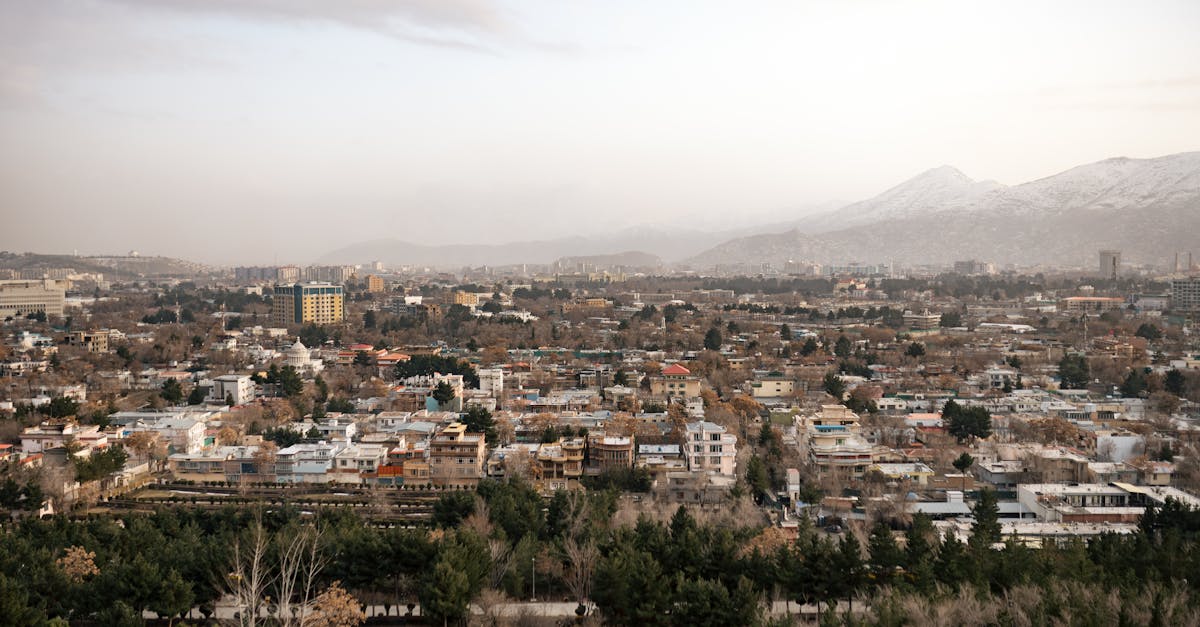
Una vista aérea panorámica de Kabul, Afganistán, que muestra el paisaje urbano con un telón de fondo montañoso.

Afghanistan: Decent Jobs & Technical Training via CSR Strategies

Afghanistan continues to confront deep-rooted obstacles in developing skills and creating decent employment, stemming from prolonged conflict, disrupted educational pathways, a vulnerable private sector, and limited market access. Corporate social responsibility (CSR), in which companies deliberately allocate resources, expertise, and collaborative efforts to meet social needs, can help bridge these gaps by reinforcing technical and vocational education and training (TVET), apprenticeships, enterprise growth, and market connections. When executed effectively, CSR aligns business priorities with local labor market demands and supports sustainable livelihoods throughout provinces and cities.Context and needs: skills, jobs, and local economiesTechnical training in Afghanistan must respond to several…
Read More
Hyundai America Technical Center and C.S. Mott Children's Hospital Partner to Promote Pedestrian, Bike and Car Seat Safety

Safety First: Hyundai America & C.S. Mott Children’s Hospital’s Joint Effort

A $25,000 contribution from Hyundai America Technical Center will help broaden child safety initiatives in Washtenaw County, giving families greater access to free car seats, helmets, and guidance on pedestrian and bicycle safety. This collaboration with University of Michigan Health C.S. Mott Children’s Hospital underscores a mutual dedication to preventing injuries before they occur. Community events and volunteer engagement are anticipated to increase thanks to the donation.In a move aimed at strengthening injury prevention efforts for children and families, Hyundai America Technical Center, Inc. has pledged $25,000 to University of Michigan Health C.S. Mott Children's Hospital. The funding is designated…
Read More
Congo: CSR cases advancing community health and responsible supply chains

Congo’s CSR: A Focus on Community Health & Supply Chain Ethics

The Democratic Republic of the Congo (DRC) lies at a pivotal crossroads of global supply chains, abundant natural resources, and pressing public health demands. The nation provides a substantial portion of key strategic minerals — especially cobalt, for which it delivers about 60–70% of worldwide output — while simultaneously facing entrenched health challenges, including endemic malaria, recurrent outbreaks such as Ebola and measles, and deficiencies in maternal and child care, water and sanitation systems, and basic healthcare access. Corporate social responsibility (CSR) initiatives that integrate supply-chain accountability with targeted community health support can mitigate risks, bolster local resilience, and help…
Read More
International Collaboration on Cosmetics Safety Announces 2026 Board Officers

2026 Board Officers Named by International Collaboration on Cosmetics Safety

The International Collaboration on Cosmetics Safety begins a new phase with the appointment of its 2026 Board officers, reinforcing its global commitment to advancing animal‑free approaches in cosmetics safety science as regulatory and scientific landscapes rapidly evolve.The International Collaboration on Cosmetics Safety (ICCS) has announced its confirmed Board officers for 2026, following elections conducted during the organization’s December 2025 Board meeting, marking a notable achievement for the still young global initiative as it advances its role in promoting scientifically sound, human‑relevant alternatives to animal testing in cosmetics safety evaluation, with the newly appointed leadership illustrating both continuity and the increasing…
Read More
Turbett Surgical Announces Recapitalization and Growth Investment by J.P. Morgan Life Sciences Private Capital

J.P. Morgan Life Sciences Private Capital Drives Turbett Surgical’s Expansion

The healthcare sector continues to search for ways to improve operational efficiency while reducing environmental impact. A new growth investment positions Turbett Surgical to expand a technology designed to modernize surgical instrument sterilization and address long-standing inefficiencies in operating rooms and sterile processing departments.Turbett Surgical, a U.S.-based medical device firm dedicated to enhancing workflow efficiency in operating rooms (ORs) and sterile processing departments (SPDs), has revealed a major recapitalization paired with a growth-focused investment from J.P. Morgan Life Sciences Private Capital. This deal marks a defining moment for the company, as it constitutes its first institutional funding and equips it…
Read More